
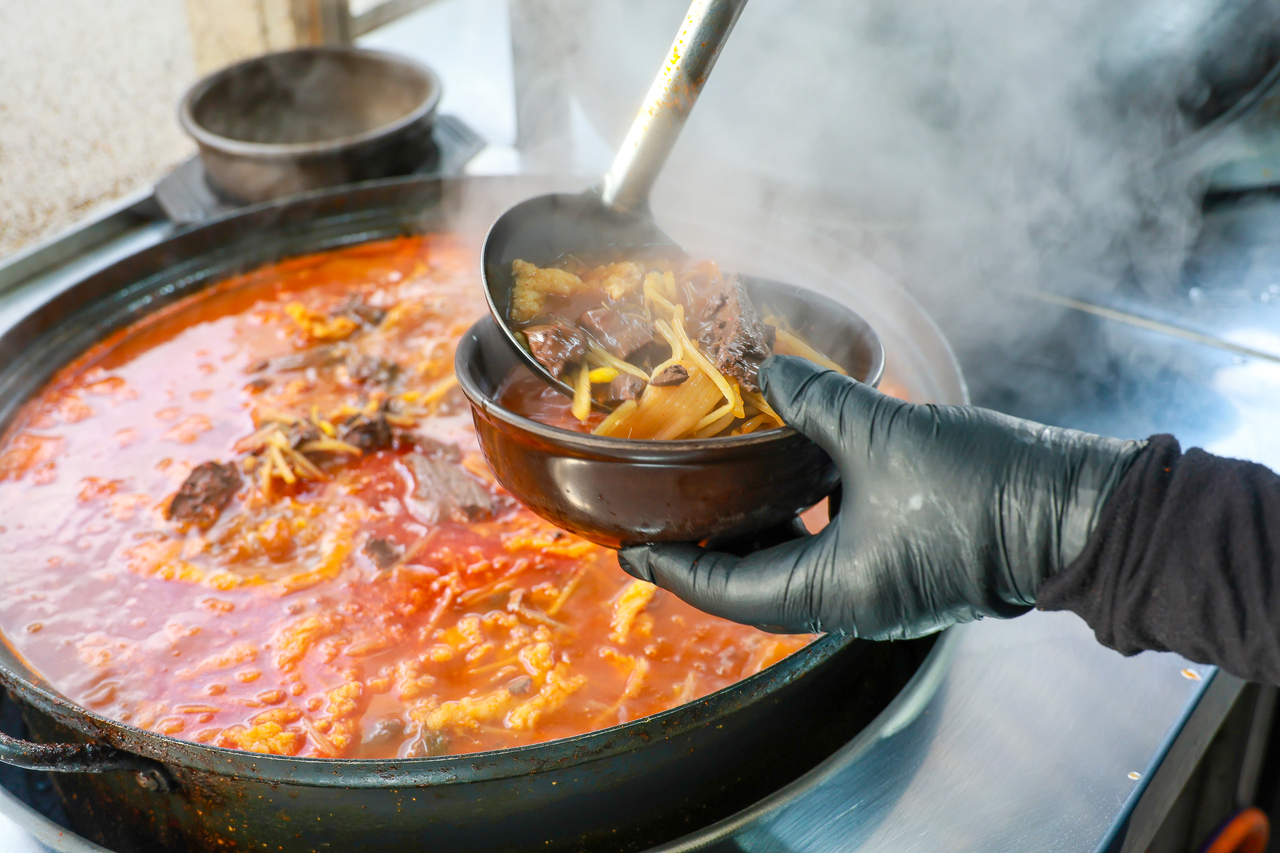
No Su-sin, a Joseon-era scholar of practical medicine, laid out a set of principles for staying healthy in summer: set down your spoon before you are full, chew slowly, and eat only as much seasonal food as the body needs — a practice he called "jeolsik," or disciplined eating.
He also said that preventing illness before it takes hold, and warming the body's inner chill with hot soups and noodles, were equally essential. The essence of his wellness philosophy, known as "yangsaeng," lay in restraint and balance.
Professor Kim Ho introduced No's yangsaeng theory alongside summer health practices drawn from Seo Yu-gu's "Imwon Gyeongjeji" and Heo Jun's "Dongui Bogam" in an essay titled "Protecting the Body from the Ferocity of Summer," published in the July issue of "Damdam," a humanities webzine of the Korea Studies Promotion Service.
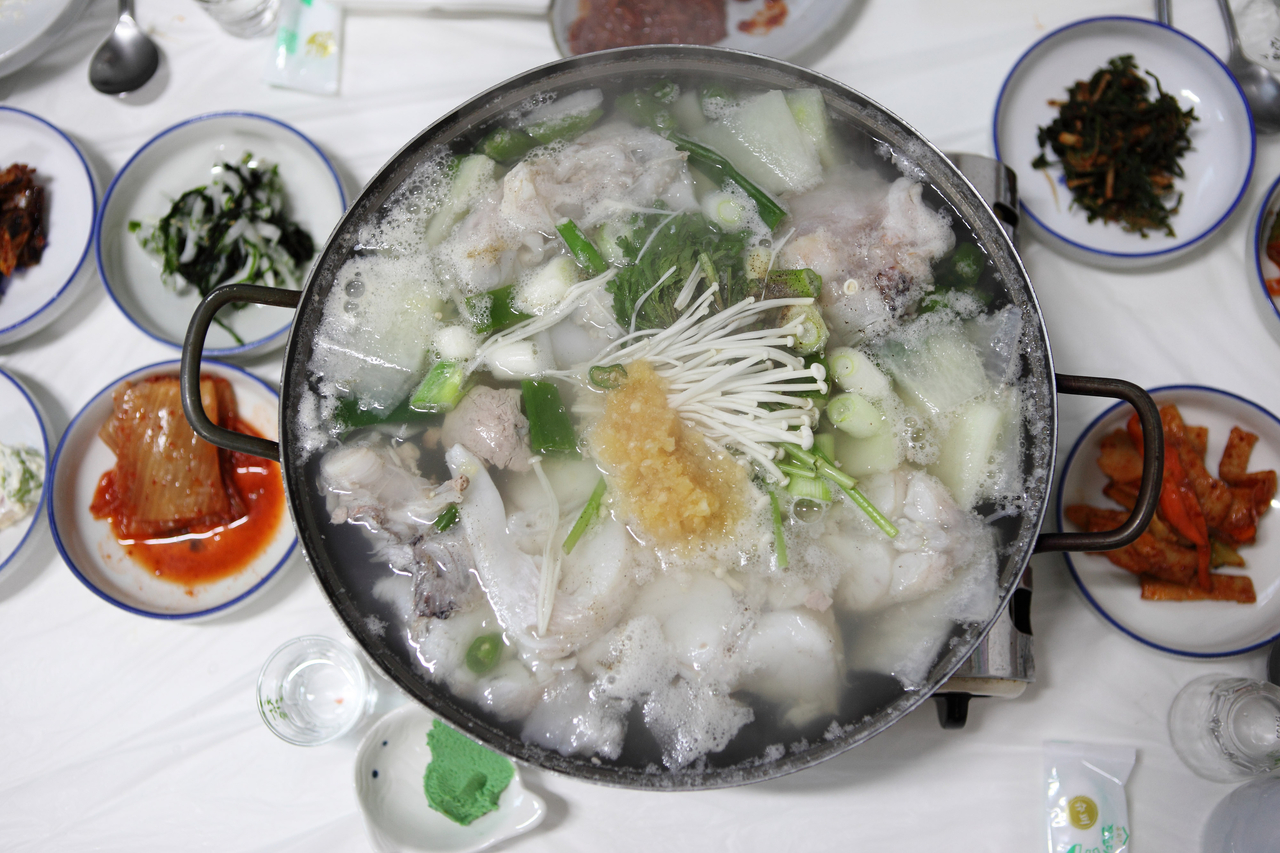
Culinary researcher Park Jong-suk revisited the family memories and cultural value embedded in traditional summer restorative foods in an essay titled "Grandmother's Last Bowl: That Summer's Offal Soup."
"Geori-guk," a hearty offal soup made by slow-boiling beef tripe, honeycomb tripe and intestines, was a staple summer dish prepared around Daeseo — the hottest point of the traditional lunar calendar — and a fixture at family gatherings large and small. From a health standpoint, enjoying hot soup in the height of summer aligns closely with No Su-sin's yangsaeng principles.
There is a psychological dimension to restorative food as well. Recalling her grandmother standing before a blazing summer stove to prepare offal soup for the family, Park said, "Ultimately, food is not simply a means of filling the stomach — it serves as a medium through which we promote well-being and share affection with one another."
abc@heraldcorp.com




