Gap investors already moved to Namyangju ahead of restrictions
Listings plunged 54% in a year; market now quiet
Some end-users holding off deposits, hoping prices will ease
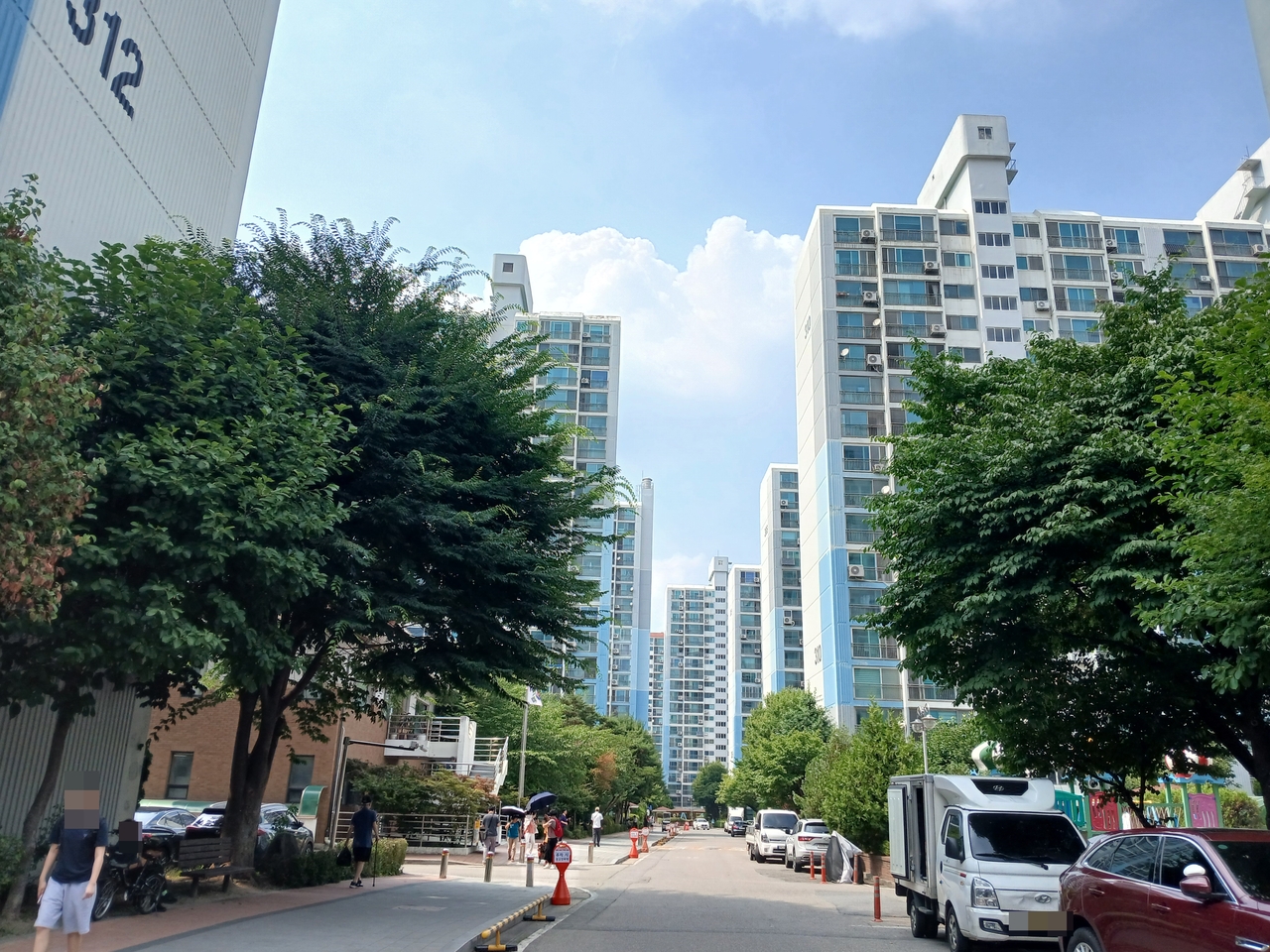
From last autumn through early this year, homes were selling like waves sweeping everything away. Buyers came from South Chungcheong Province and Busan — up to 30 people a day were viewing units. Now it's quiet. People are quietly worried they might be catching the peak just as they settle their final payments. If you were going to regulate, you should have done it all at once. This is about as late as it gets.
— An official at a real estate agency in Guri
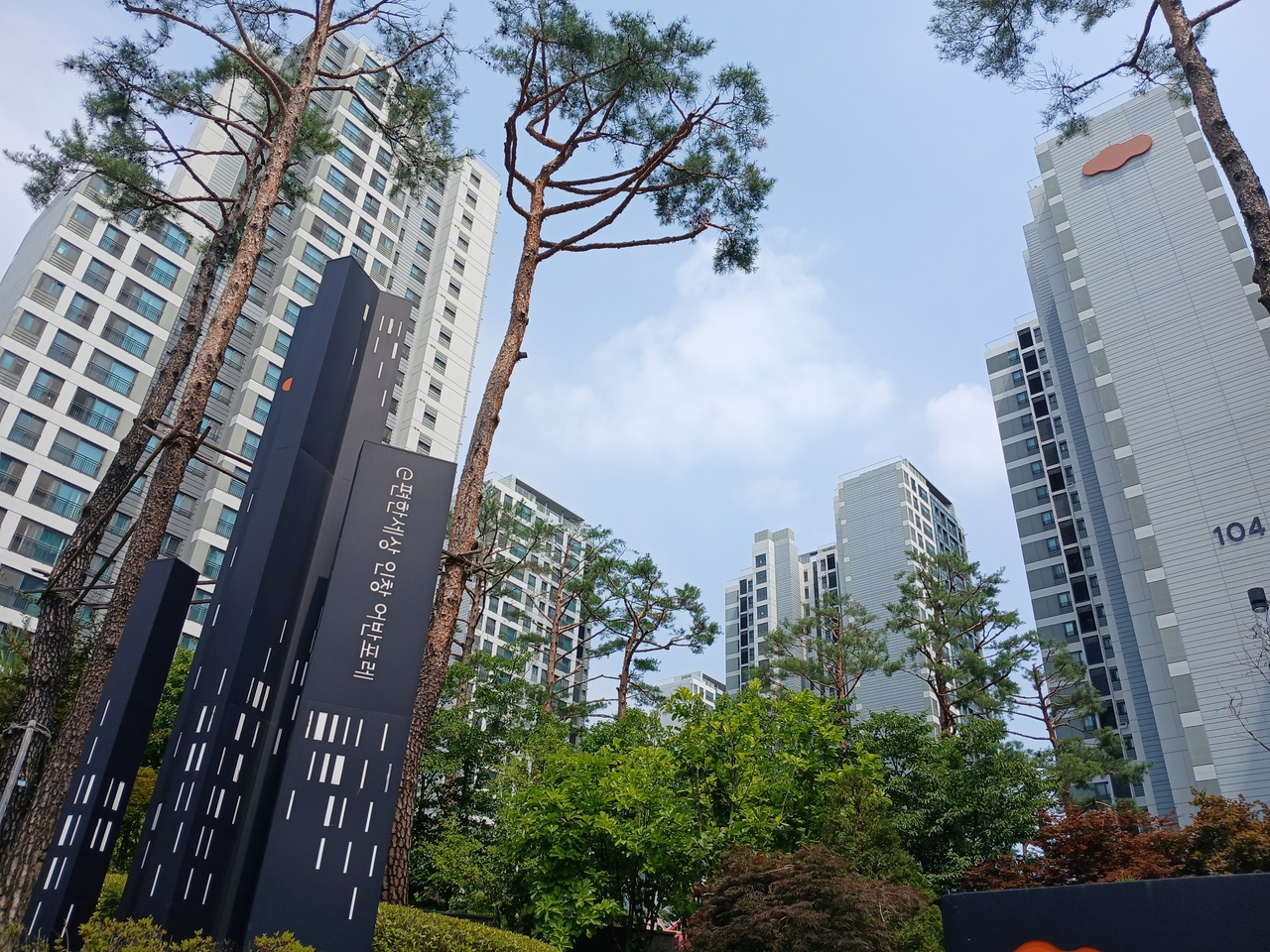
The neighborhood surrounding the E-Pyeonhansesang Inchang Urban Forest complex — the flagship apartment development in Inchang-dong, Guri — was subdued on Tuesday, the day the Ministry of Land, Infrastructure and Transport announced it would designate Hwaseong's Dongtan district, Yongin's Giheung district and Guri as regulated zones (adjustment target areas and speculation overheating districts) effective Wednesday.
The complex's 84-square-meter units broke through 1.2 billion won ($775,000) in the month following the government's Oct. 15 measures last year, and a unit on the eighth floor changed hands at a record 1.35 billion won in early June. With prices up 300 million won from a year ago and buying interest picking up, some owners have raised their asking prices by as much as 100 million won in just the past month.
An official at a nearby real estate agency said buyers were hitting a psychological resistance point. "Prices have risen as far as they can go, and we're in a holding pattern," the official said, adding that most agencies were simply waiting for final payments to clear. "The pros — the gap investors — moved to Dasan in Namyangju long before the announcement was even made."
Guri had been widely cited as one of the most prominent balloon-effect areas from the Oct. 15 measures, drawing both gap investors and end-users. As of June 22, the city's cumulative housing price index change this year stood at 7.87 percent, according to the Korea Real Estate Board. At Inchang 4-danji Jugong, where 96 transactions have been recorded this year, a 59-square-meter unit on the 14th floor changed hands at a record 745 million won on June 18 — more than 200 million won above prices from a year earlier, when comparable units sold in the low 500 million won range.
Most transactions in Inchang-dong, which offers strong access to Seoul, involve mid- to low-priced apartments below 900 million won. As trading picked up, available listings plunged. The number of homes listed for sale in Guri stood at 1,151 — down 54.2 percent from 2,509 a year ago, according to real estate data platform Asil. As prices rose simultaneously in Seoul and other areas, some owners who had planned to trade up to pricier neighborhoods pulled their listings off the market.
One agent recounted the case of a homeowner in Inchang-dong who had intended to sell and move to Dongtan. "She said Dongtan had risen too much and decided she'd rather stay put, so she took her listing down," the agent said. "There are no Samsung Electronics or SK Hynix plants around here. From a buyer's perspective, anything worth buying has already sold and listings keep shrinking — transactions are bound to dry up."
Industry insiders say buying interest has held on only in complexes with a high proportion of smaller units of 59 square meters or less. One agent in Inchang-dong said young newlywed couples commuting to Jamsil had been buying heavily on word of mouth, using government-backed Bogeumjari mortgage loans. "The younger buyers say they cannot afford Sambo Apartments just across the street — those start at90 to 114 square meters, with asking prices beginning at 900 million won," the agent said.
On Tuesday afternoon, two or three groups of newlywed couples were spotted viewing units at the complex despite it being a weekday, though none appeared to be in any hurry to commit. An official at another agency said a prospective buyer — looking for a home to live in — had been on the verge of putting down a 50 million won deposit on Wednesday but decided to wait. "They said they'd hold off, thinking prices might come down a bit once the regulated-zone designation and land transaction permit system kick in," the official said, adding that gap investors had also been calling with inquiries but hesitating when it came to actually transferring money. "No one has signed a preliminary contract yet."
A licensed agent in Inchang-dong said she had called a Gangnam client who had been considering buying a home for their child as soon as the regulated-zone announcement came out, only to be told the desirable units had already sold and the remaining ones were not worth the money at current prices. "Things that used to be under 600 million won have gone up by nearly 150 million won," the agent said. "I think people feel that even if prices keep rising, there is only so much further they can go."
hope@heraldcorp.com