Net selling for 6 consecutive quarters; total $45.35 billion deployed
Foreign reserves fluctuating in low-to-mid $400 billion range
By Kim Byeo-ri, The Herald Business
South Korea's foreign exchange authorities pumped more than $13.6 billion into the market in the first quarter alone to defend the won-dollar rate, data showed Tuesday. The intervention marked the sixth consecutive quarter of net dollar selling since the fourth quarter of 2024. With foreign reserves hovering in the low-to-mid $400 billion range, attention is turning to how reserves fared last month amid a historically weak stretch for the won.
According to the Bank of Korea, the authorities sold a net $13.63 billion in the first quarter to stabilize the foreign exchange market. While that was down from the record quarterly high of $22.47 billion set in the fourth quarter of last year, it extended the streak of net selling to six consecutive quarters dating back to the fourth quarter of 2024. Total net selling over that period reached $45.35 billion.
Foreign reserves — the ammunition available for currency defense — have been oscillating in the low-to-mid $400 billion range. The pattern has been one of reserves falling as dollars are deployed to defend the won, then recovering as investment returns and other factors replenish the stockpile.
The authorities have two main tools for countering excessive won weakness: smoothing operations, in which the Bank of Korea sells dollars from its holdings and buys won in the spot market, and foreign exchange swap arrangements with the National Pension Service, under which the pension fund sources dollars directly from the central bank.
Foreign reserves rose in February following a new issuance of foreign exchange stabilization bonds, but fell by nearly $4 billion in March as authorities stepped up market stabilization measures to counter the high exchange rate — the largest monthly decline in 11 months since April last year, when reserves dropped $4.99 billion.
In April, reserves rebounded by around $4.2 billion as the dollar value of assets held in other currencies increased and investment returns improved, even as dollars continued to be deployed for currency defense. They then fell again by $880 million in May due to further stabilization measures.
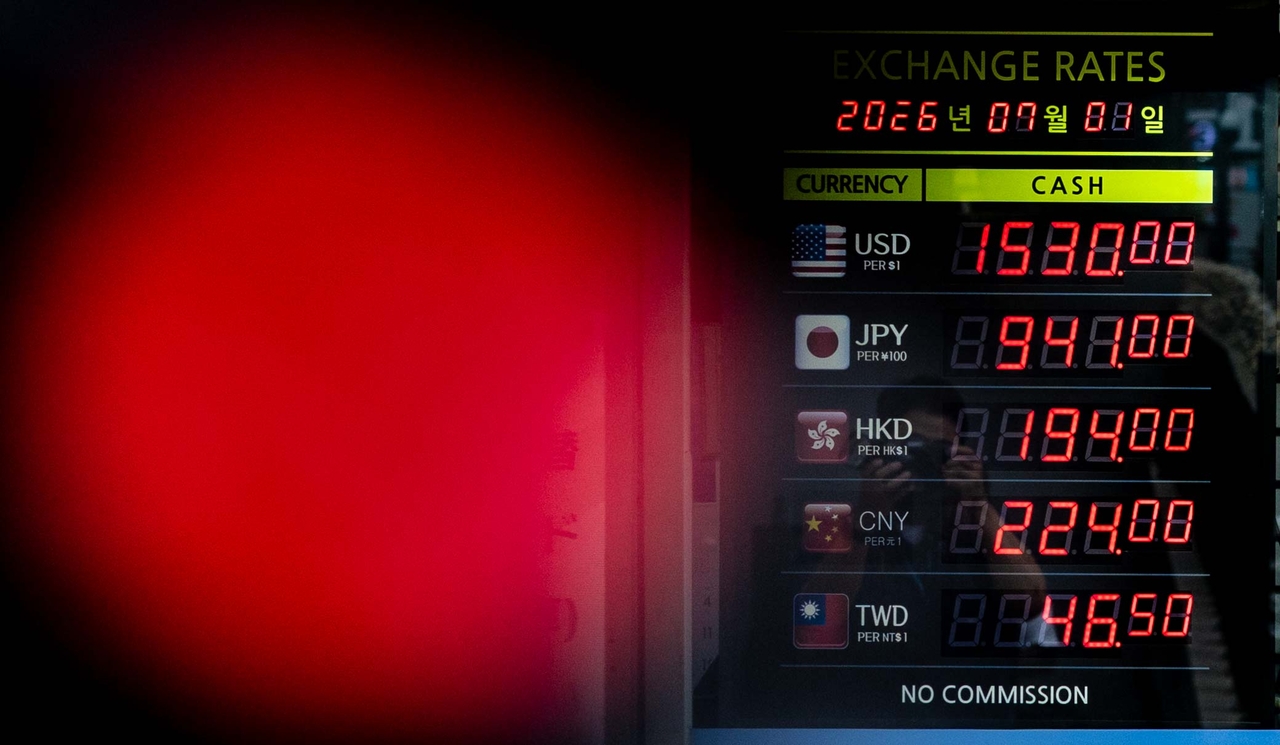
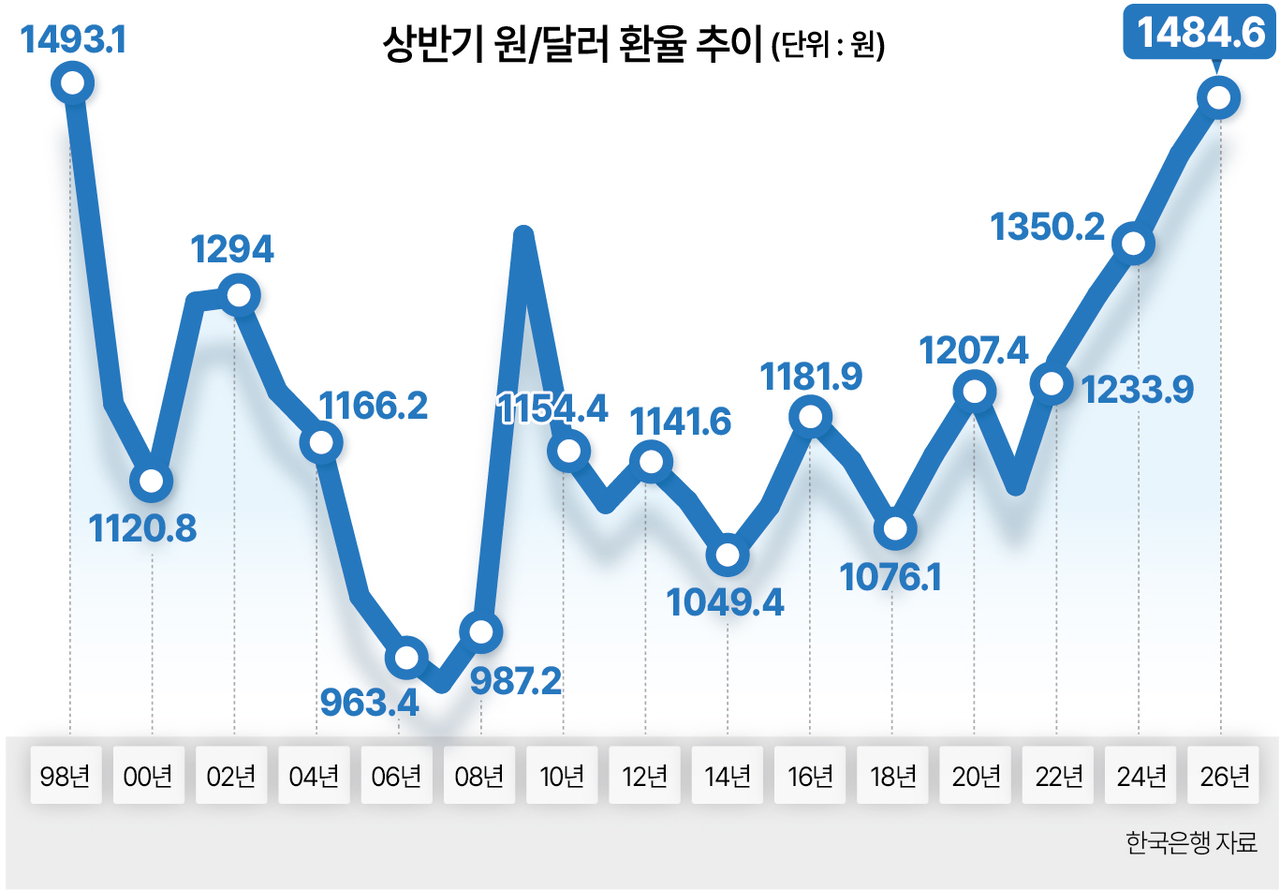
June may have seen a second consecutive monthly decline, given that won weakness was even more pronounced that month. The average won-dollar rate in June was 1,527.9 won, up about 2.5 percent from 1,491.3 won in May. Some analysts noted that while overall reserves fell in May, cash deposits — a liquid component — actually rose by $2.59 billion, suggesting the authorities may have been building up additional firepower for future intervention.
Given that authorities view the current exchange rate as excessive relative to economic fundamentals — even accounting for supply-and-demand factors — analysts expect them to continue intervening actively in the market while defending the psychologically significant $400 billion floor. The Bank of Korea is scheduled to release end-of-June foreign reserve figures on Thursday.
kimstar@heraldcorp.com