Oman, which had denied any fee plan, now proposes 'voluntary contributions'
Proposal formally presented to US and Western allies
Iran insists mandatory tolls will apply after 60-day grace period
Europe weighing voluntary-fee options amid US opposition
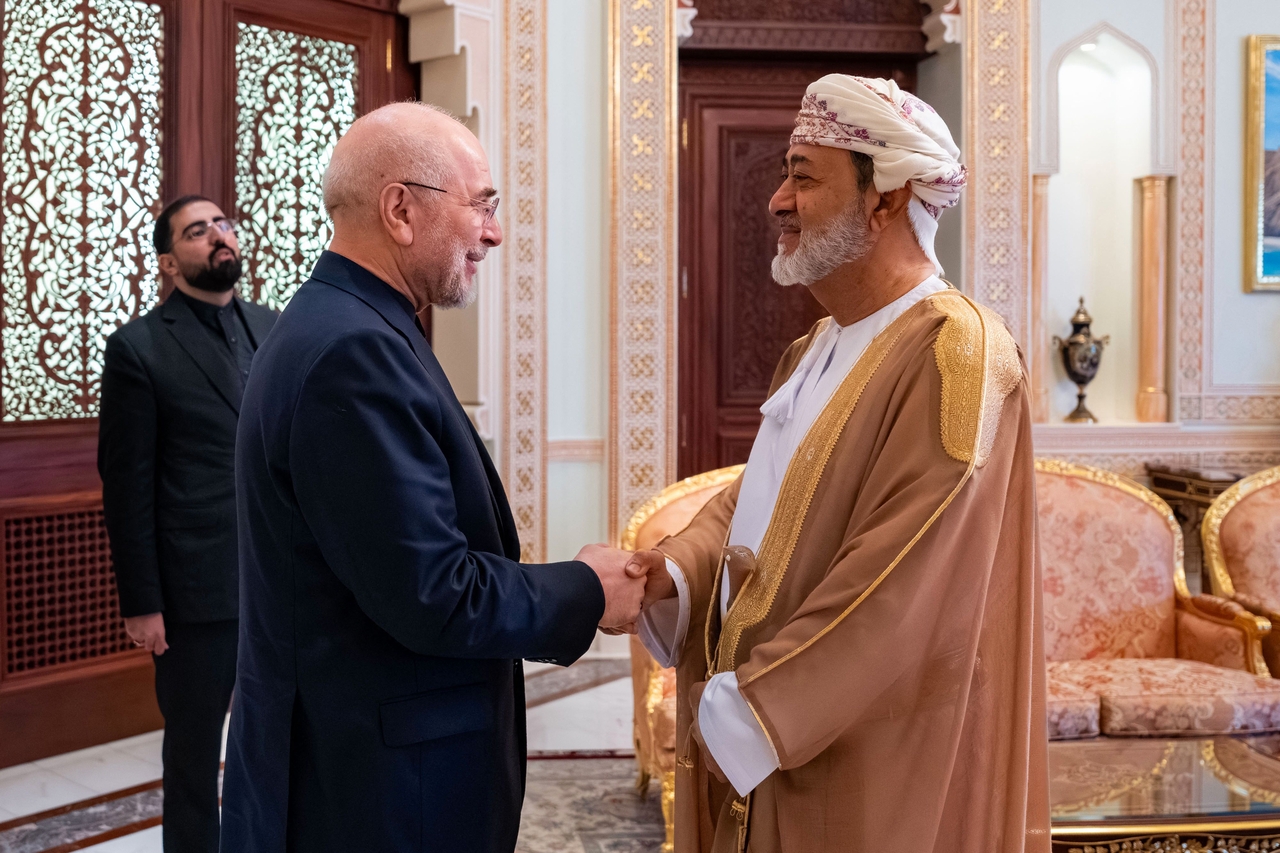
Oman has drawn up a plan with Iran to collect fees from ships transiting the Strait of Hormuz, The New York Times reported Monday (local time), citing multiple diplomats and an Iranian official.
Oman recently delivered a formal proposal to the United States and other Western allies outlining a plan to impose a "service fee" for use of the strait. The New York Times confirmed that the US negotiating team, which is engaged in ceasefire talks with Iran, also received the proposal from Oman.
Oman is said to be looking at the Malacca-Singapore Strait system — where a private foundation collects voluntary contributions from vessels — as a model. The Malacca-Singapore Strait poses significant navigational hazards: its shallow depth and narrow width create risks of running aground, while heavy traffic raises the danger of accidents and piracy. Maintaining safety facilities and dredging the waterway requires substantial ongoing costs, and coastal states have long complained that foreign ships reap the benefits of passage while bearing none of the expense. Under a cooperative framework the International Maritime Organization established in 2007, a navigation aid fund operates to address this imbalance.
The international community broadly rejects any comparison between the Strait of Hormuz and the Malacca-Singapore Strait. The Hormuz strait reaches depths of 70 to 100 meters or more — far deeper than the Malacca Strait's 25 meters — and its straightforward geography allows even the largest vessels to pass safely without dredging. Because the Hormuz strait requires no such maintenance costs, critics say there is no justification for imposing a transit fee.
The divergence between Iran and Oman — the two states that share the Strait of Hormuz — is evident even here. While Oman has stressed that any charge would be a voluntary contribution, apparently mindful of international pushback, the Iranian official who confirmed the plan to The New York Times described it as a "mandatory payment."
Mohammad Baqer Qalibaf, speaker of Iran's parliament and the lead Iranian negotiator, reaffirmed in a state television interview that free passage through the Strait of Hormuz would be permitted for only 60 days under a ceasefire memorandum of understanding, after which fees would apply. "Sovereignty over the Strait of Hormuz belongs to Iran and Oman, and passage must be conducted entirely according to the methods and procedures Iran has determined," Qalibaf said. "The Strait of Hormuz is Iranian territorial waters, and we will not relinquish our rights over it under any circumstances," he added.
The United States maintains that no fee of any kind can be levied on Strait of Hormuz transit. Donald Trump had earlier warned that collecting "tolls or fees" for passage would be "unacceptable" and threatened to "bomb" Oman if it did not "act like other nations." It remains unclear whether Washington has reviewed Oman's latest proposal and formally restated its position.
Despite the firm US stance, the international community has largely concluded that the strait is unlikely to return to its pre-war status of free and open passage. Europe is said to be searching for ways to accommodate some form of fee that would not violate international law — exploring options such as a voluntary-fee structure that could minimize the financial burden while staying within legal bounds.
kate01@heraldcorp.com