Inside Eli Lilly's San Diego hub, cutting-edge infrastructure operates under strict confidentiality
Free access to high-end equipment, paired with mentoring from Lilly scientists, nurtures promising biotech startups
Lilly teams up with Samsung Biologics to launch a C Lab Outside at Songdo, with tenant recruitment set to begin in the fourth quarter of this year
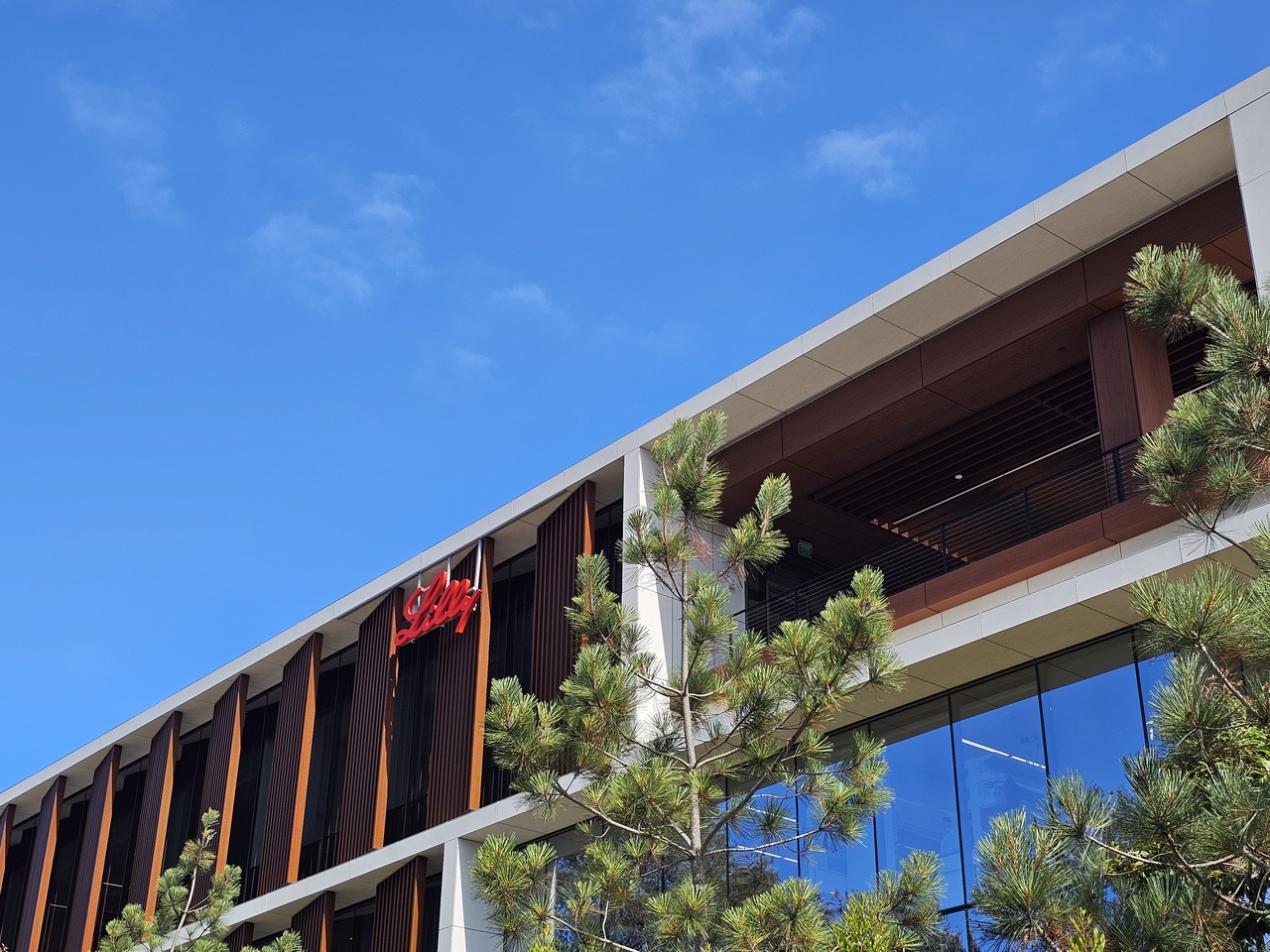
Strict security measures kicked in the moment visitors stepped inside. Photography was banned throughout the facility to protect the core assets and technologies of promising biotech companies from around the world.
With camera lenses covered, the interior revealed itself as something resembling a storied, cutting-edge research institute — not unlike MIT. Researchers bent over experiments filled laboratories visible through glass walls lining long corridors on either side.
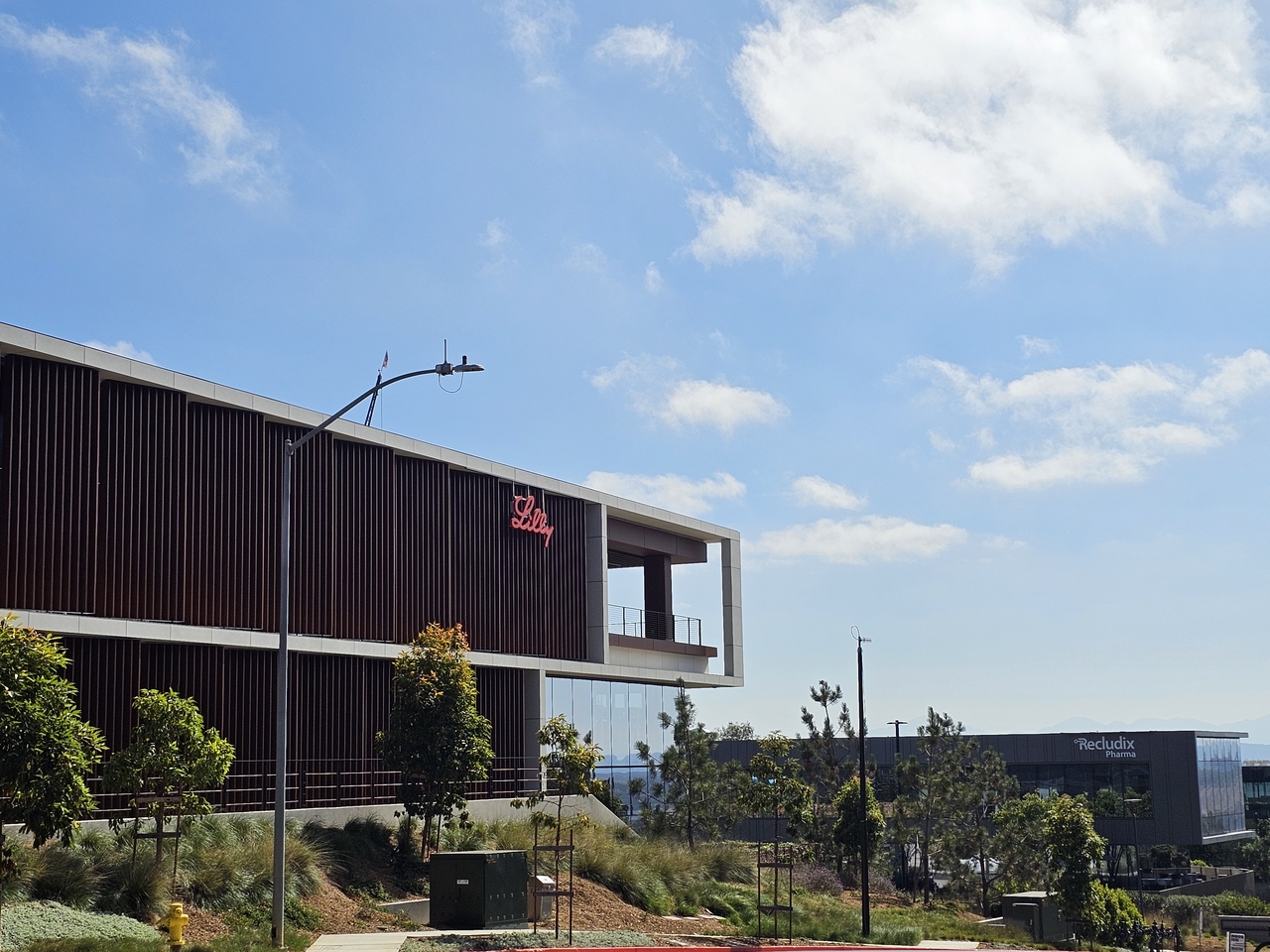
At the center of the lobby wall, a phrase capturing the facility's identity was etched in bold: "By Supporting Bold Innovation." The site is Lilly Gateway Labs (LGL), Eli Lilly's global open-innovation hub in San Diego.
Eli Lilly launched LGL in 2019 to identify and cultivate top-tier biotech companies, and the facility goes well beyond a shared office or simple lab rental. It functions as a cradle of growth — offering a comprehensive ecosystem that includes research and development collaboration, hands-on mentoring, direct investment, and support in attracting outside funding, all designed to help early-stage biotech firms grow into global players. Ten promising biotech companies currently occupy the San Diego site, working across a range of key therapeutic areas — from neuroscience and oncology to immunology — in pursuit of innovative new drugs.
"Companies working across a wide range of modalities are under one roof — from small molecules to large-molecule drugs, cell therapies and gene therapies," an LGL official said, adding that the facility operates 18 research modules of varying sizes, each accommodating between 10 and 30 people, to suit companies at different scales. Tenant companies conduct independent research within modules that combine office and laboratory space, and can expand by removing walls as needed.
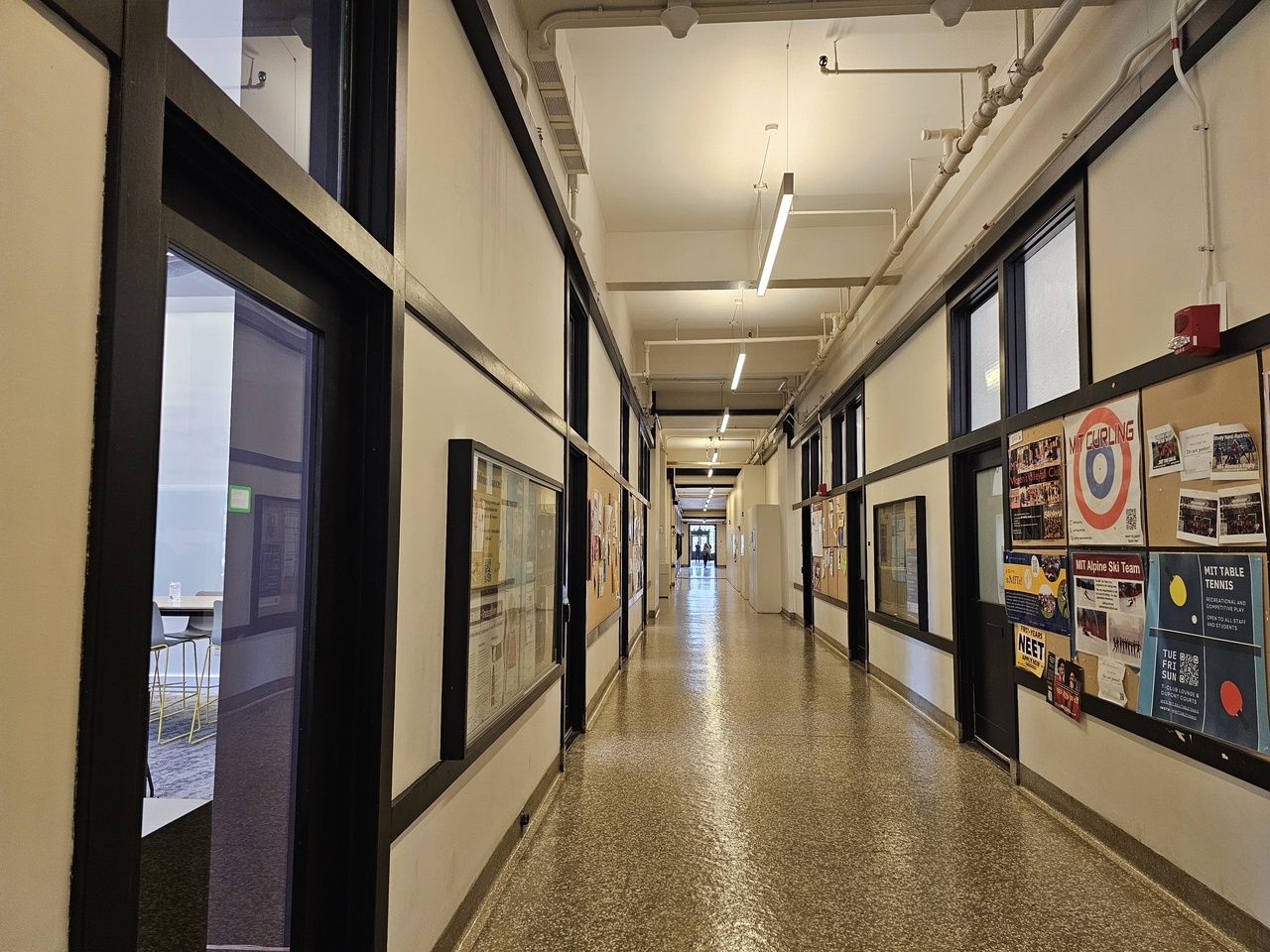
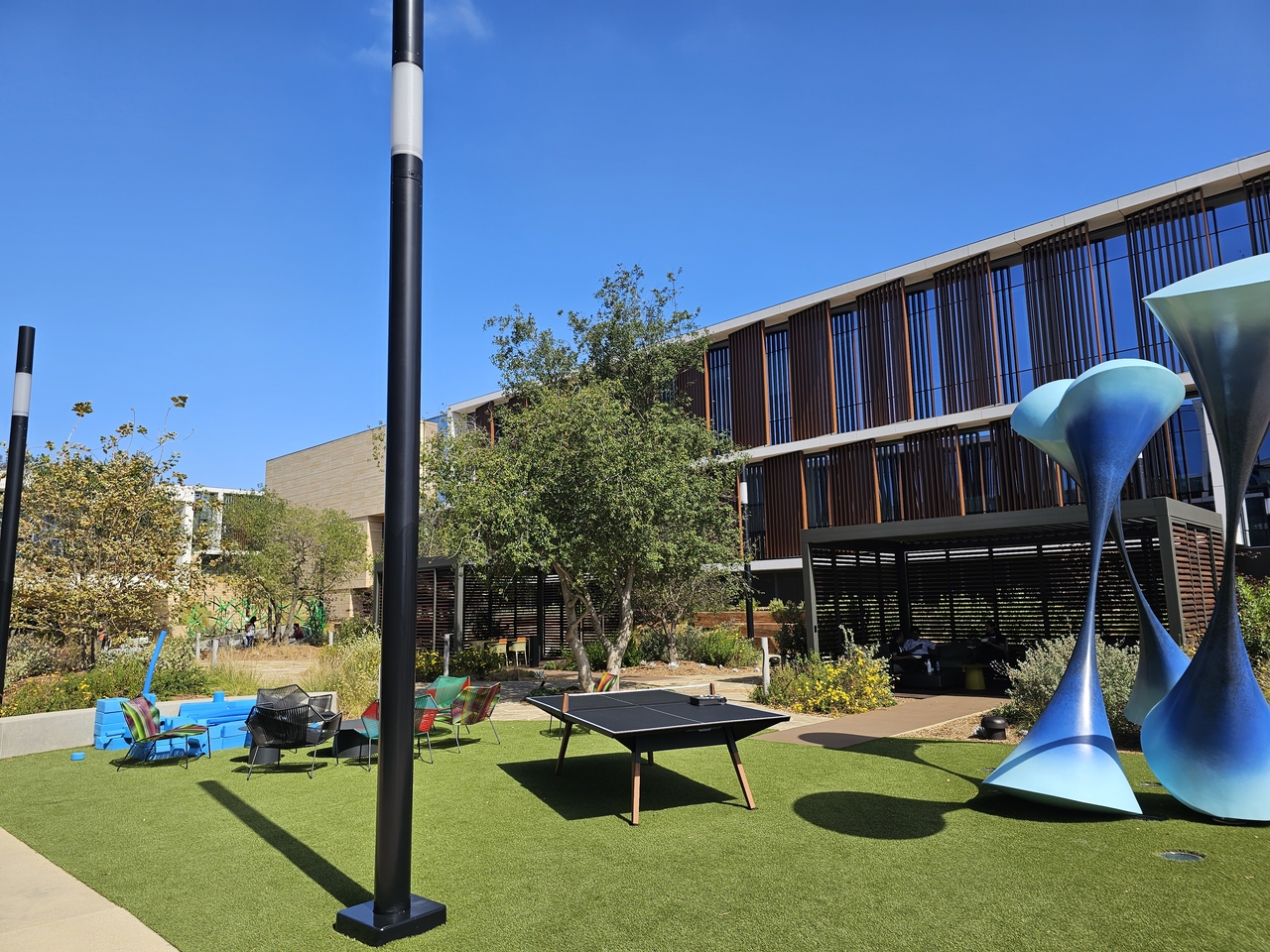
LGL's greatest assets are its exceptional infrastructure support and the direct access it provides to Lilly, one of the world's leading pharmaceutical companies. Tenant companies receive free use of high-end research equipment that early-stage startups would struggle to afford on their own — including two high-performance imaging systems at a dedicated Nikon microscope center, plate readers and sequencers. Essential basic infrastructure such as autoclaves and glassware washing facilities is also fully in place. Tenants additionally benefit from discounted experimental reagents, supplied at prices Lilly has negotiated through bulk purchasing. At the Social Hub, the facility's main gathering space, monthly networking sessions and luncheons bring together Lilly's senior scientists and outside experts, fostering open innovation in a relaxed setting.
That proven formula is now being transplanted to Songdo, Incheon. Samsung Biologics has partnered with Lilly to establish an open-innovation center called C Lab Outside within Songdo's second bio campus. The facility will be LGL's second international location after Beijing, and the first time a global pharmaceutical company's biotech incubation program has come to Korea through a partnership with a domestic company.
Lilly chose Korea and Samsung Biologics as its key Asian partner because of the world-class scientific potential and strong talent pool that Korean biotech possesses. Samsung Biologics' firm commitment to elevating Korea's biotech ecosystem to a global standard created a powerful synergy that made the Korea launch possible. Songdo — home to the world's largest CDMO infrastructure — was identified as the ideal innovation hub to help early-stage biotech companies leap past the "valley of death" and onto the global stage.
The Songdo C Lab Outside is targeting completion in July 2027 and will span five above-ground floors with a total floor area of approximately 11,705 square meters (about 3,500 pyeong; 1 pyeong equals 3.3 square meters). The facility will house state-of-the-art office and research spaces along with meeting rooms, with Lilly and Samsung Biologics jointly overseeing tenant selection and program operations. The primary criteria focus on identifying early- to mid-stage biotech companies with strong technology and top-tier talent. Tenant recruitment is set to begin in earnest in the fourth quarter of this year, targeting early-stage startups at Series B or below, with residency support ranging from a base of two years to a maximum of four. Companies that have already signed partnerships with major pharmaceutical firms will be excluded, in keeping with the goal of discovering genuinely overlooked, high-potential companies.
The question drawing the most attention from Korea's biotech industry is by far which companies will earn Lilly's selection. LGL identified "scientific promise" and "top-tier talent" as the foremost criteria for choosing tenants. As with LGL sites worldwide, the Korea program will focus on identifying early- to mid-stage biotech companies that have produced compelling scientific results and operate with a collaborative team structure. "Rather than limiting ourselves to specific technologies, we plan to carefully select companies representing diverse modalities and therapeutic areas — spanning Lilly's core therapeutic focus as well as beyond — to build an innovative community," Lilly said.
Since LGL's founding, cumulative investment raised by its global tenant companies has surpassed $3 billion, and the program has delivered tangible results — accelerating the development of more than 50 drug pipelines. The partnership is expected to serve as a catalyst for Korean biotech companies to benefit simultaneously from Lilly's scientific expertise and Samsung Biologics' world-class CDMO network. Samsung Biologics also reaffirmed its vision to drive qualitative growth in Korea's biotech ecosystem, continuing to pursue the creation of an industry development fund worth 25 billion won ($16.2 million) alongside the construction of the new center.
Julie Gilmore, LGL's global head, said the collaboration with Samsung Biologics represents "a very significant step in expanding Lilly Gateway Labs' global network," adding that the partnership aims to "build a solid foundation for the domestic and international biotech ecosystem to grow together, drawing on Korea's exceptional talent and capacity for innovation."
Lee Sang-myung, a senior vice president at Samsung Biologics, said the decision to establish a joint operating structure with LGL was made "to provide Korea's most promising biotech companies with a world-class research environment and growth opportunities aligned with global standards." He added that combining Samsung Biologics' process development and manufacturing capabilities with Lilly's expertise in nurturing innovative drugs would make the Songdo C Lab Outside "the most powerful global launchpad for Asian biotech startups — not just in Korea, but across Asia."
silverpaper@heraldcorp.com