
Sand dunes were not always exclusive to Korea's west coast
Earth's rotation and the prevailing westerlies make winds from the west exceptionally strong in virtually every country. It is why flights to Europe take longer than the return trip home.
The northwestern coast of Spain — which the Celts believed to be the edge of the world — is battered by powerful westerly winds that churn up towering waves. The waters off Vigo, the Spanish city best known as the home of Celta Vigo, were a frequent graveyard for Atlantic fleets caught in those gales. "Celta" derives from "Celt." Some Celtic peoples pushed through the fierce westerlies and reached Britain, and one theory holds that the faint genetic overlap between Koreans and the British traces back to the Celts, who were known for their sage-like appearance and communal way of life.
Westerly winds are equally powerful on the Korean Peninsula. Daecheongdo island in Incheon is home to a massive rocky mountain shaped by the westerlies, and together with Taean it boasts enormous sand dunes. Similar dunes dot the west coast from Siheung and Boryeong to Sinan and Haenam.
Sand dunes — where wind-driven sand accumulates like a desert — were long thought to be the exclusive domain of the west-facing coastline.
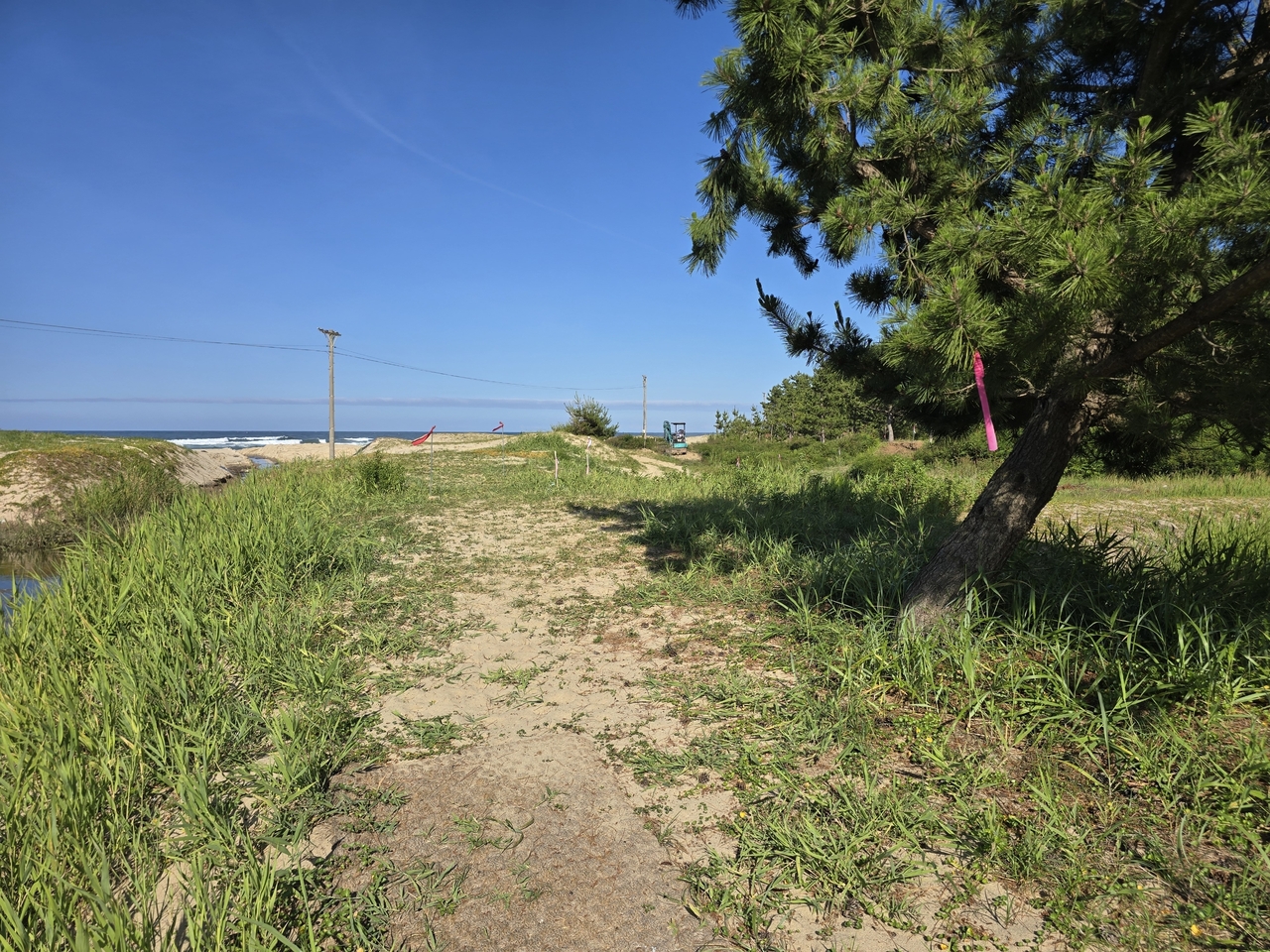
That assumption is now being challenged. Mangsang in Donghae, Gangwon Province, has drawn intense academic attention as the site of a rare East Sea sand dune, a formation almost never seen along the eastern coast.
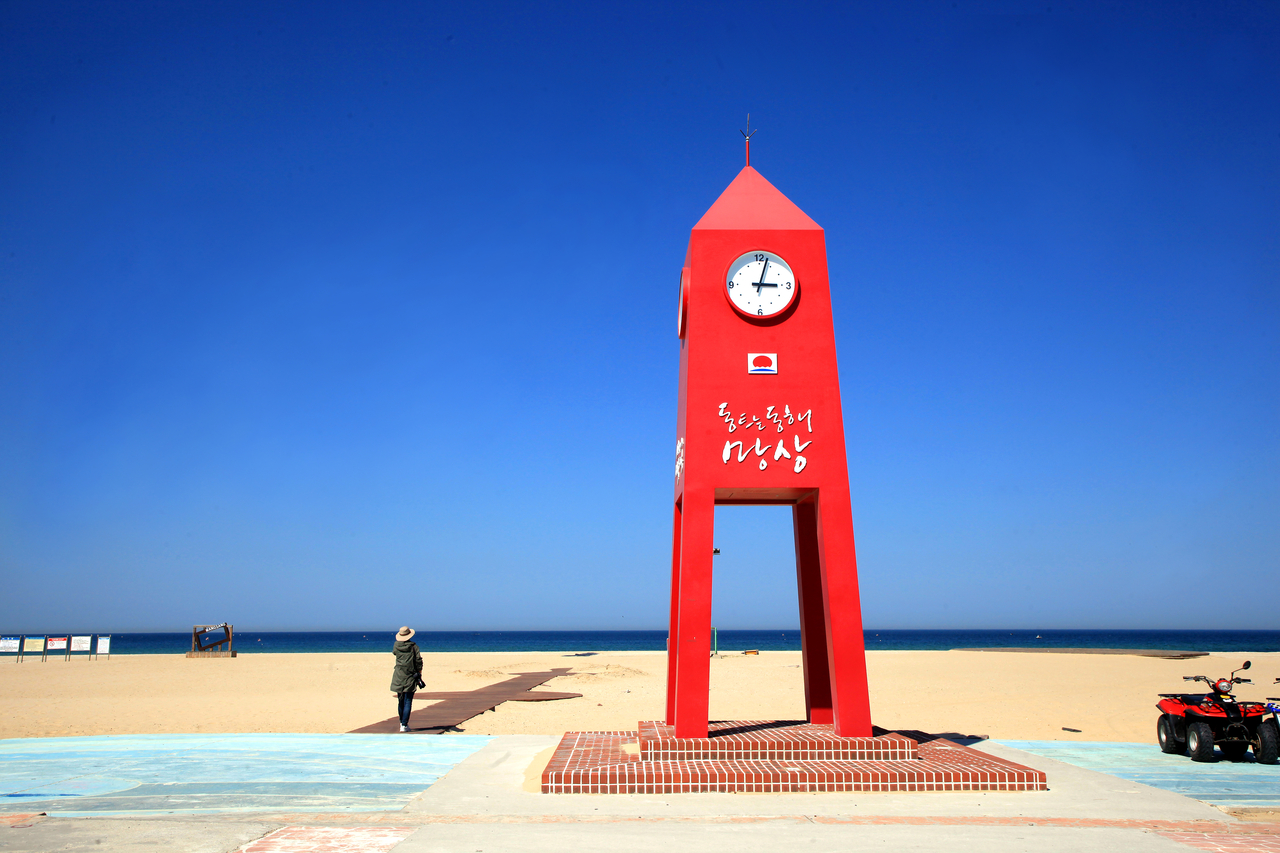
Donghae city is continuing research into the rare East Sea dune while also moving to let visitors to Mangsang — the largest beach on the East Sea coast — experience its natural wonder firsthand. The city plans to build a trail linking the Mangsang coastal forest with the dune wetland.
The project aims to connect the Mangsang dune wetland, the coastal dune ecology center and the coastal plant conservation zone into a single visitor route. It will create an ecotourism base that blends environmental education, hands-on experiences and leisure for both residents and tourists.
The 303-meter path will combine wooden deck sections and palm-fiber matting, allowing visitors to experience the coastal forest and wetland scenery up close.
The Mangsang coastal sand dune is a representative ecological space on the East Sea coast, where native coastal plants grow wild, including sea lovage, sea bindweed and beach pea.
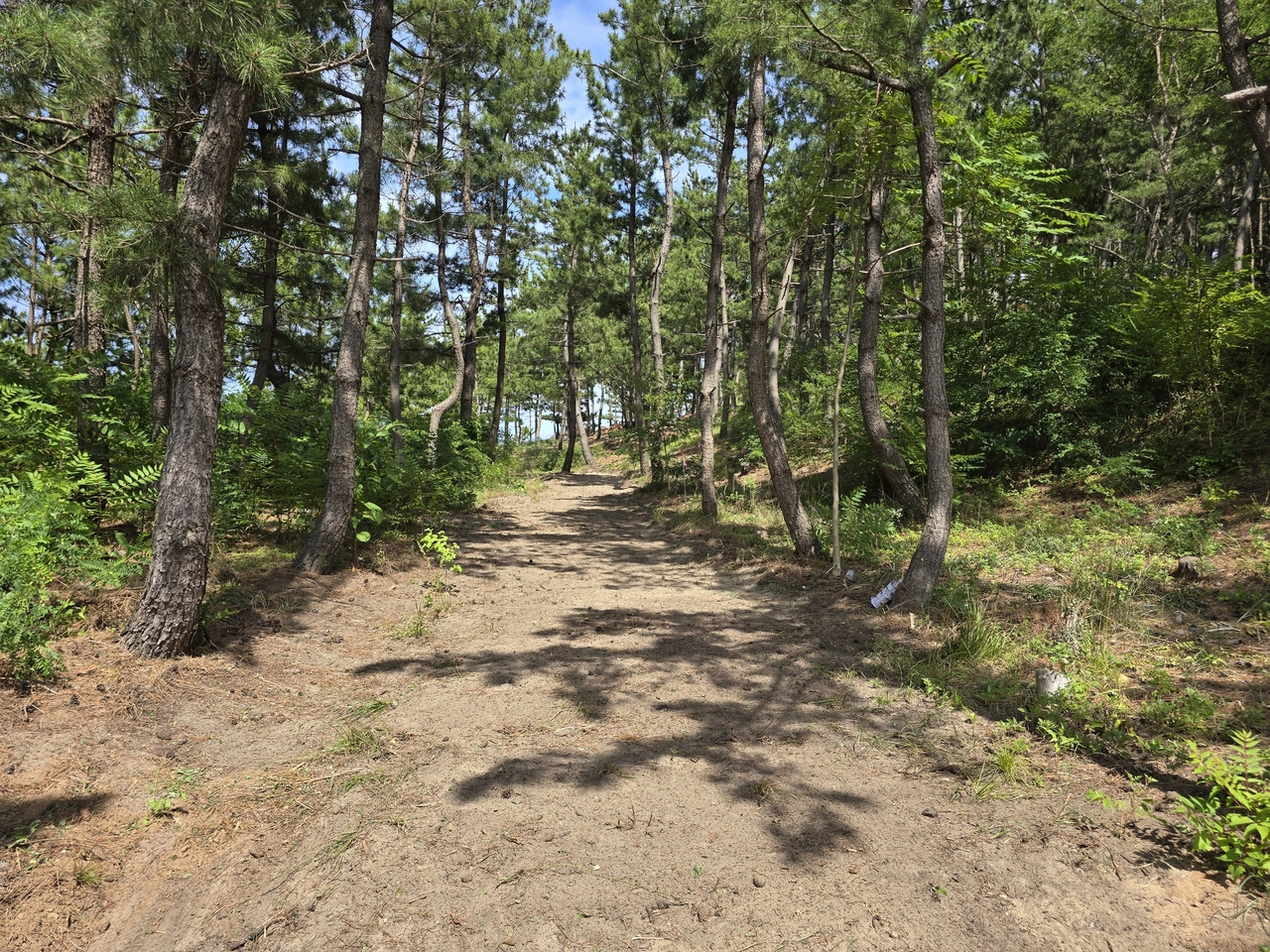
Donghae city has pursued a range of policies to preserve the coastal dune ecosystem, including designating coastal plant protection zones, operating the coastal dune ecology center, restoring native coastal plants and propagating their seeds, removing invasive species, conducting ecological surveys and running forest experience programs for young children.
Shim Gwang-jin, head of the city's green space division, said the Mangsang coastal forest and dune wetland are "a natural asset and tourism resource for Donghae." He added that the city would "continue to expand eco-friendly green infrastructure to preserve the natural environment while providing residents with a place to rest and offering tourists differentiated ecotourism content."
Visitors to the Mangsang auto-camping ground can also explore an edutainment museum dedicated to the sand dunes, where questions about this unusual coastal formation can be answered.
abc@heraldcorp.com




