
Australia's embrace of Asian art positions it as a cultural leader across the region
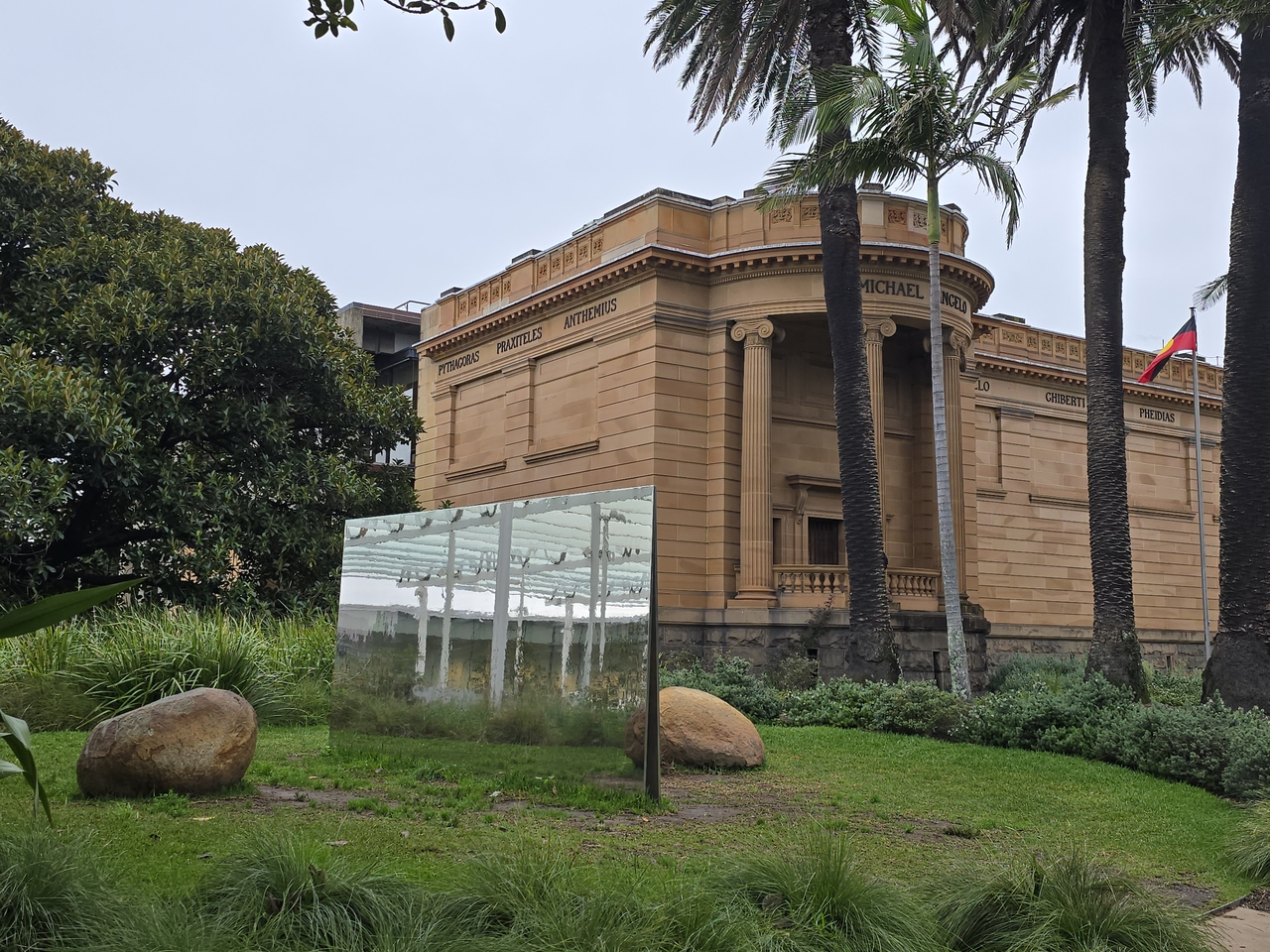
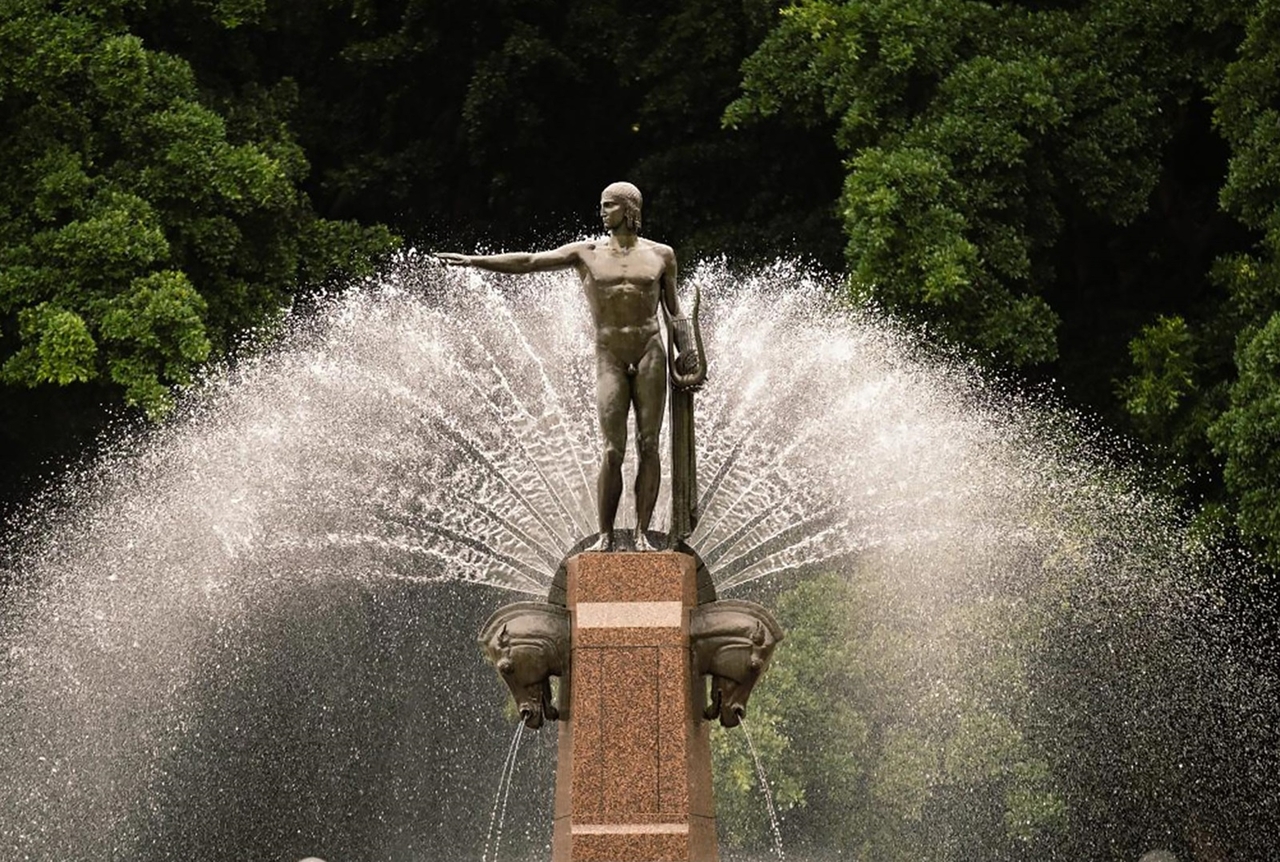
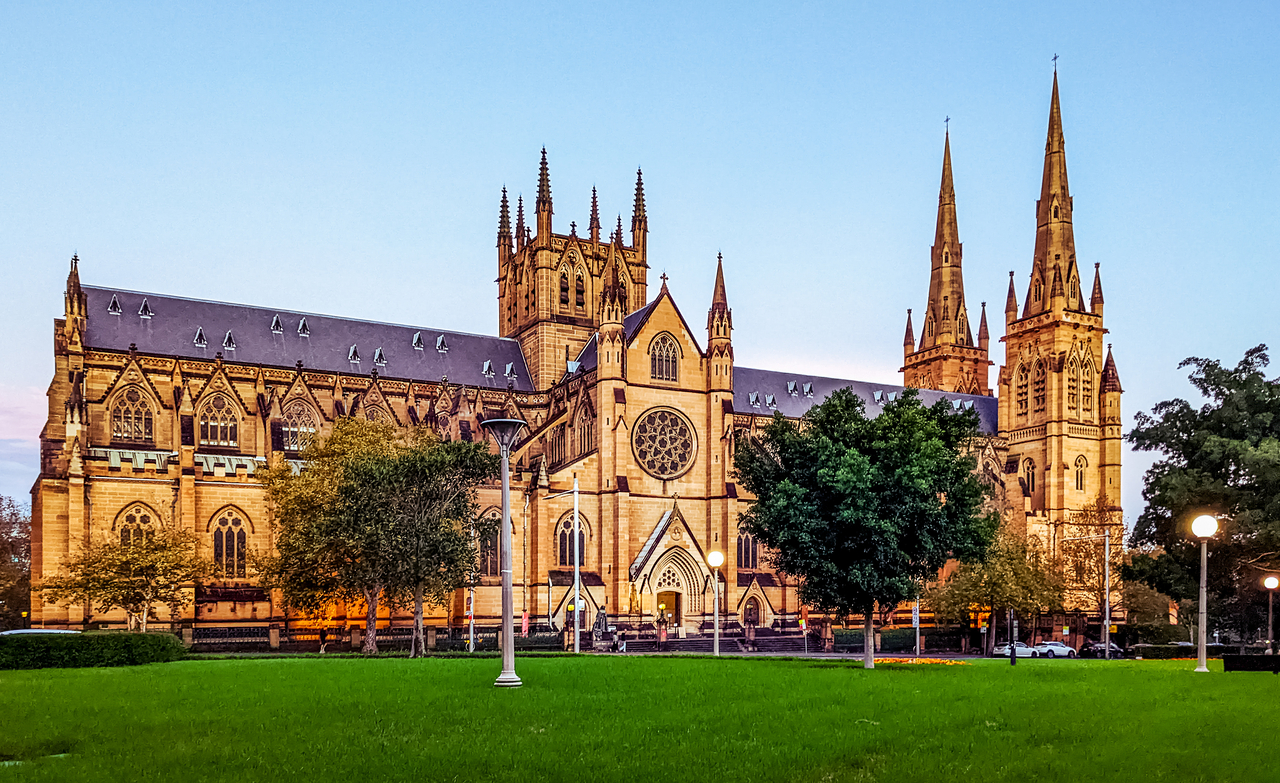
Walk south through Sydney's Royal Botanic Garden, past Hyde Park and St. Mary's Cathedral, and at the far end of the gardens, tucked into a quiet corner, the Art Gallery of New South Wales gazes out over Sydney Harbour. Between its two buildings — Naala Nura and Naala Badu — a stone-and-mirror sculpture by a Korean artist stands in an open courtyard.
The gallery brings together an extraordinary range of work: winners of the Archibald, Wynne and Sulman prizes — Australia's most prestigious awards in portraiture, landscape and thematic art, comparable to Korea's national art exhibition — alongside European masterworks by Manet, Van Gogh and others. Indigenous folk art preserving Aboriginal customs sits alongside environmentally conscious contemporary pieces, and a former military fuel-storage facility has been reimagined as a children's playground-style art space known as the Tank.
The Archibald Prize includes a selection criterion rarely seen elsewhere: "contribution to the nation." The idea is that art should not simply reflect an artist's personal vision but should serve a positive function for humanity, the planet and the Australian community. Only work that meets this standard, the thinking goes, is worthy of leading the public's emotional and cultural life.


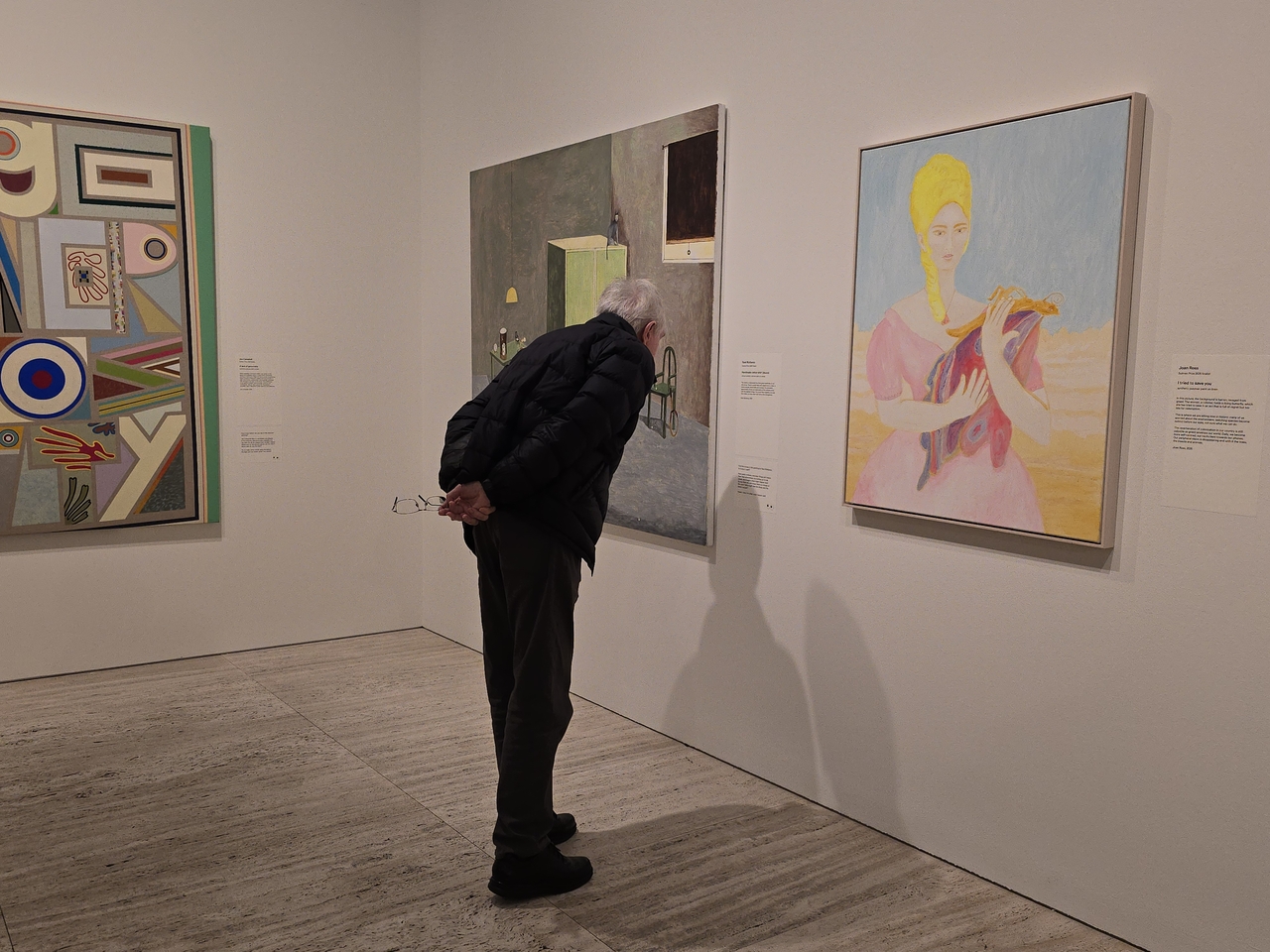
The Wynne Prize focuses on landscape painting, while the Sulman Prize recognizes thematic or subject-based art — work that gives the impression of pioneering a new genre and demonstrates a high degree of creativity.
The Sulman Prize has a clearly defined purpose, and its selection process reflects that: a single juror of recognized social standing is appointed and given sole authority to choose the winner.
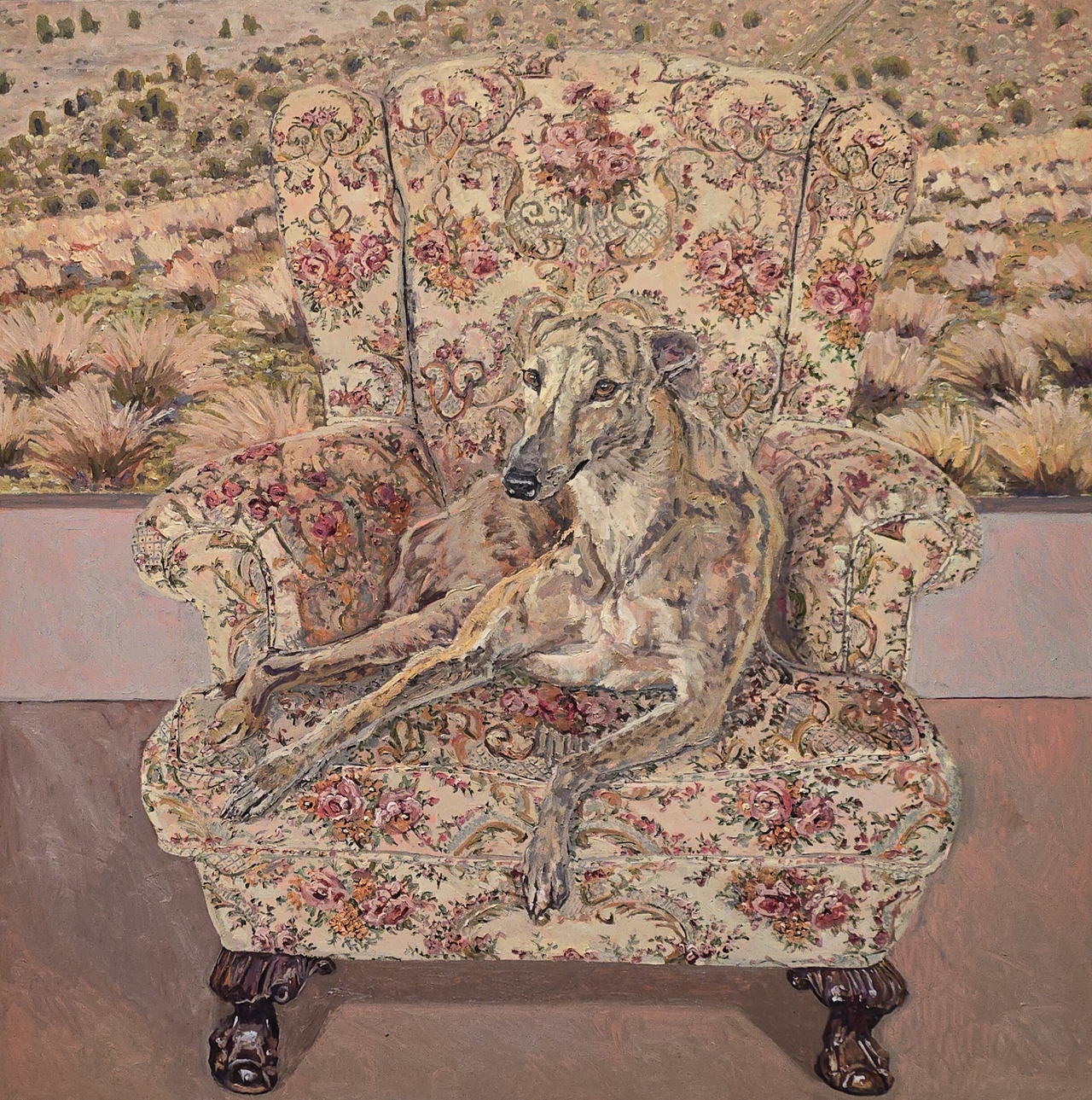
One work, titled "Camouflage" — a word Koreans often pronounce and use loosely to mean "making do with something similar" — depicts nature brought indoors, expressing a seamless unity between the natural world and living space. Only the legs of a sofa reveal that the scene is set inside a room; the sofa's pattern and the colors of the landscape beyond the window blur into one another. The effect evokes a life lived in harmony with Australia's pristine nature — something close to the Korean concept of "sintobulli," the idea that one's body and the land are inseparable.
In Australia, where environmental conservation is both the overriding concern and a recurring artistic theme, nature is a vital subject for artists. Most of the award-winning portrait works feature the faces of environmental activists and heritage preservation advocates.
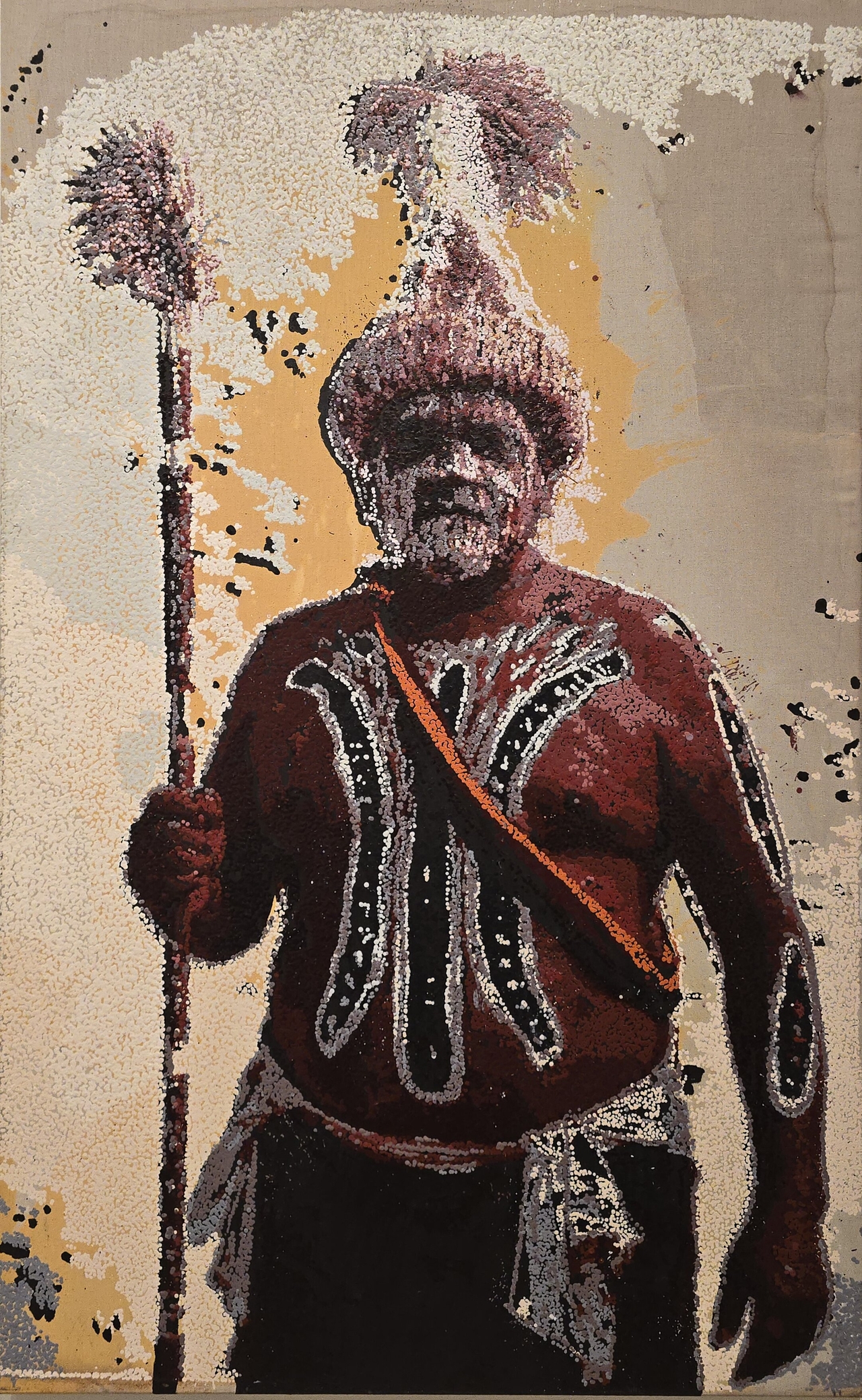
A richly detailed portrait of Jinjur, a chief of the Aboriginal people, was also recognized among the outstanding works. The 2026 top prize went to a painting by Richard Lewer depicting an elderly Aboriginal grandmother from Iluwanti — a desert community known as "the navel of Australia" — who has lived a tenacious life of hardship and now sits hunched, her joints worn from years of labor.
The artist said the grandmother was "kind yet strong." The painting contains a great deal of empty space, and the gallery has organized an event inviting visitors to "fill in the background of her life within that space."
Also among the honored works is a painting of an Aboriginal musician dancing with a whale underwater to the sound of keyboard music. The gallery draws visitors in with the prompt: "Listen to this painting with your ears. What do you hear?"
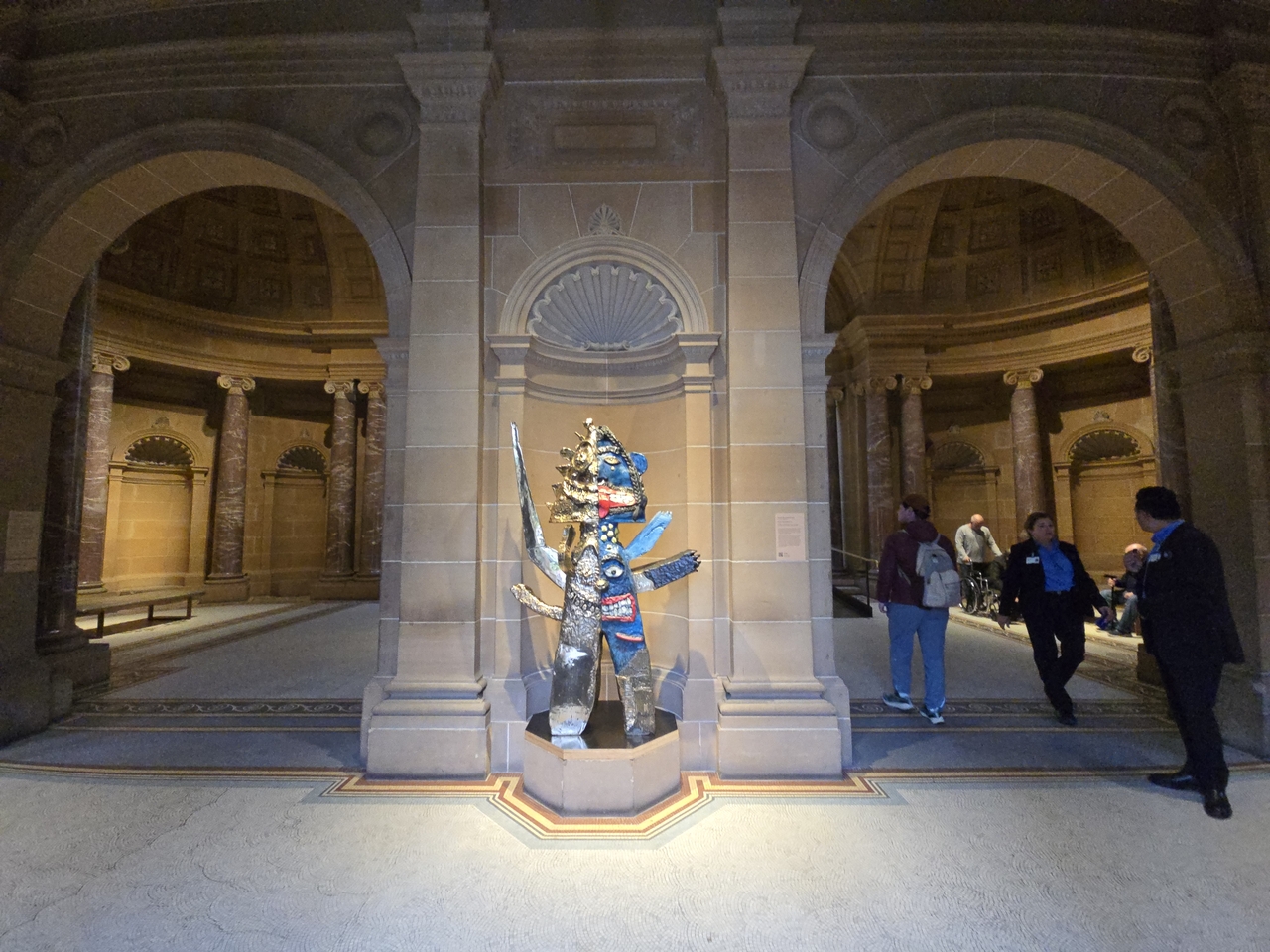
As Australia has embraced its identity as part of Asia, its effort to acknowledge the histories of all 230 Indigenous tribes within its borders — though belated — stands as a genuinely exemplary expression of the country's capacity for inclusion.
The Yiribana Gallery is dedicated exclusively to Aboriginal and Torres Strait Islander art. Korean tourists are often startled to learn that "Yiribana" means "come this way" in one of the Aboriginal languages — a word uncannily close to the Korean phrase "iriwabara," prompting the half-joking thought: "Could ancient Koreans have been here too?"
The family art space known as "The Keys Under the Mat" — whose description carries the slogan "all of life is art" — was once a military fuel-storage tank. The structural pillars that mark its origins as a bunker have been preserved, artists have covered the floors with creative decorations, and play equipment including slides infused with artistic inspiration is placed throughout the space.
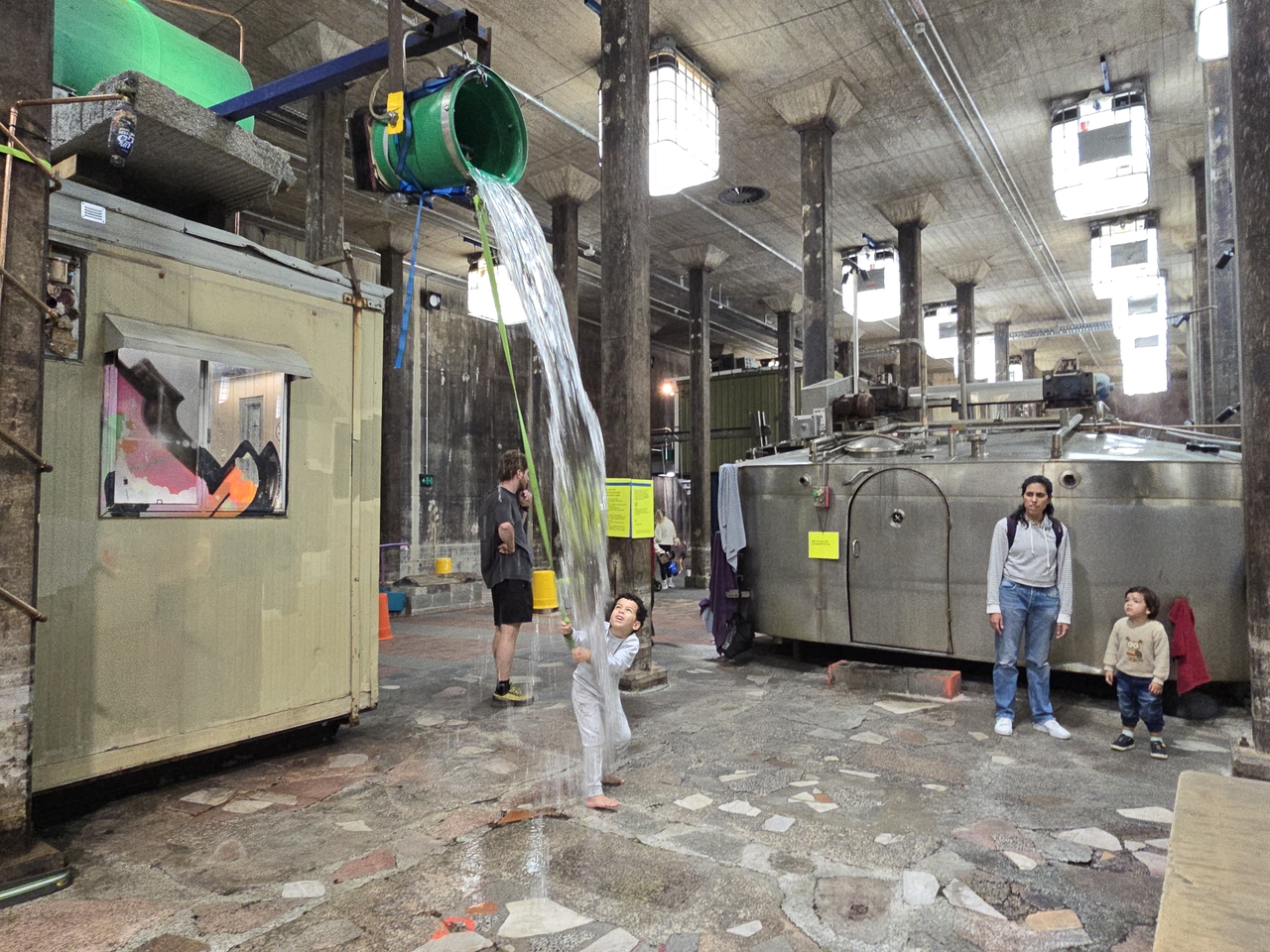
A water-park-style tipping bucket has also been installed, built entirely from recycled objects too good to throw away. Children pull a rope to tip a giant bucket of water over themselves — soaking their clothes in the process — and the piece has become the most popular attraction for families and adult visitors alike.
Also catching the eye is a painting made with coffee grounds left over from brewing, and a distinctly Australian take on the matière (texture) technique: rather than the approaches seen elsewhere, the artist used a toothbrush to achieve a finer, more delicate surface.
The gallery has stood for 150 years — it has been part of Sydney since the city itself was taking shape. Seven Korean docents work here, including Lee Ho-im, a detail that speaks to the weight Australia places on Korean culture. The number of Australians making what might be called a pilgrimage to K-culture sites grows every year.
The gallery is largely hidden from view by the tall trees of the Botanic Garden and Hyde Park Domain. From the outset, a shared public and civic resolve to build without disturbing the natural surroundings meant the building was set low, nestled quietly at the edge of the greenery.

"Relatum — Dialogue 2025," a work by Korean artist Lee Ufan, is displayed outdoors in the small wooded courtyard between the gallery's two buildings. Stones are placed before and behind a polished steel mirror. The stones seem to be on their way out — pausing to look at themselves in the mirror. The two are in conversation. The work carries the meaning of reconciling and connecting nature (stone) with industry (steel mirror). The stone finally enters the mirror, then looks back at itself from outside the steel.
Lee completed his art studies in Korea and abroad before co-founding the influential Mono-ha ("School of Things") movement in the 1960s, which emphasized the relationship between natural and industrial materials and the interaction between objects and viewers. The movement grew from his conviction that "emptiness is a force that generates harmony and tension simultaneously."
"Relatum" — the title Lee has given to all of his sculptural works since 1972 — represents a sustained inquiry into the connection between objects and people. "In 'Relatum — Dialogue,' the mirror-polished steel reflects the surrounding earth, trees and sky, entering into a dialogue with the granite boulder," he has said.
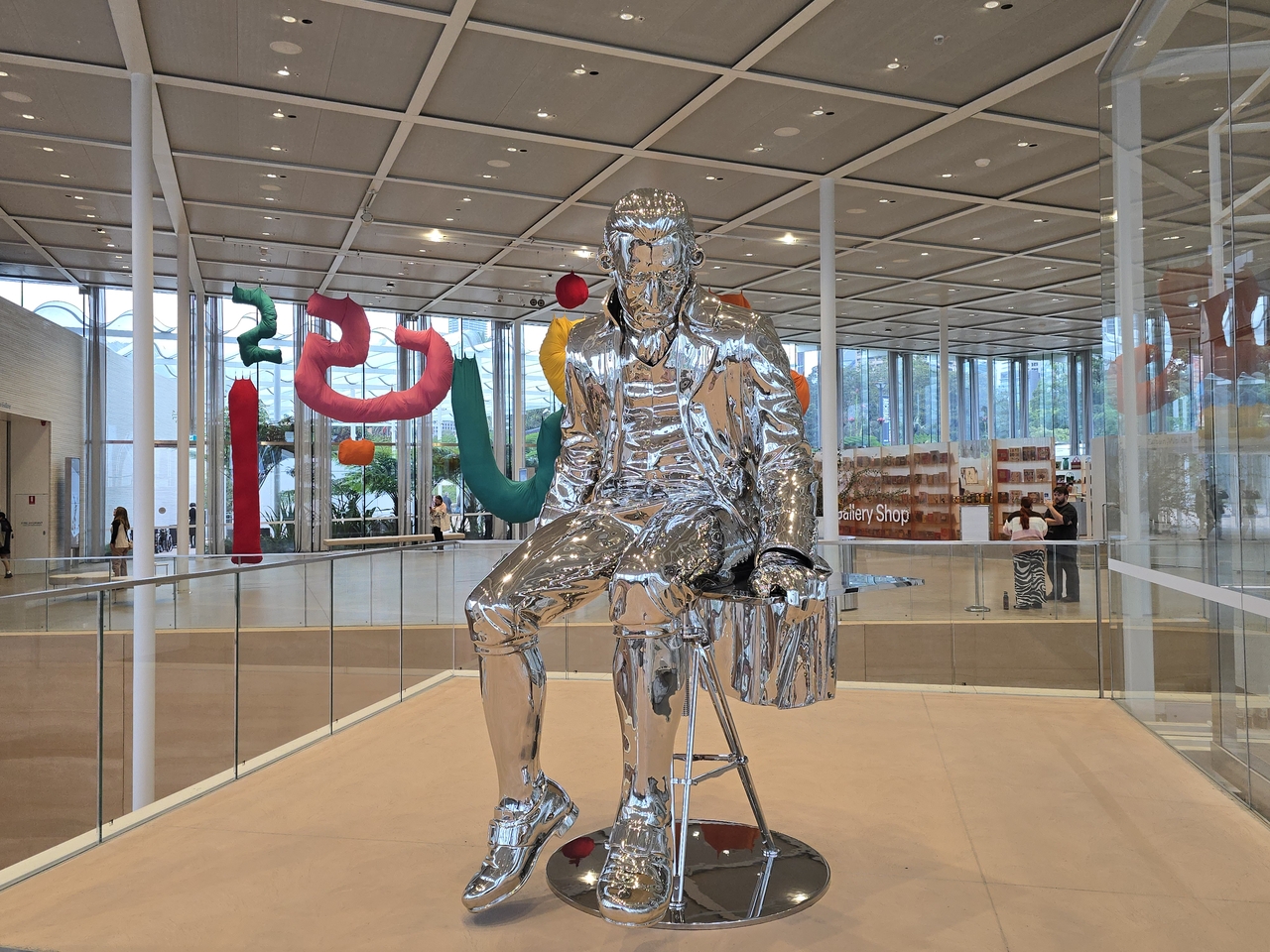
A statue of Captain Cook sits in the annex, overlooking the underground galleries below, and there is something lonely about his posture. He was the explorer who first brought Australia to European attention. Yet as Australia increasingly expresses remorse toward its Indigenous peoples and deepens its commitment to a multicultural society free of discrimination, the standing of Cook — forefather of the European settlers who were unwelcome intruders to the original inhabitants and who drove those inhabitants into exile from their own land — cannot be entirely untroubled. Looking up at the Cook statue gazing down over the gallery, one finds it easy to project onto him a mingling of pride in exploration and sorrow toward the people who were already there.
"Narbong" — a junk-art piece made from discarded steel, named after the Aboriginal word for a woven carry-bag — is likewise part of an effort to recover lost memories of the Indigenous people.
Led by the Art Gallery of New South Wales, many Australian museums are steadily increasing the presence of Asian art. Korean works, Chinese traditional art, the cultures of the islands of northern Australia and southern New Guinea, and exhibitions of Japanese artist Yayoi Kusama's work — taken together, these moves signal that Australia is becoming a confident cultural leader for Asia as a whole.
abc@heraldcorp.com



