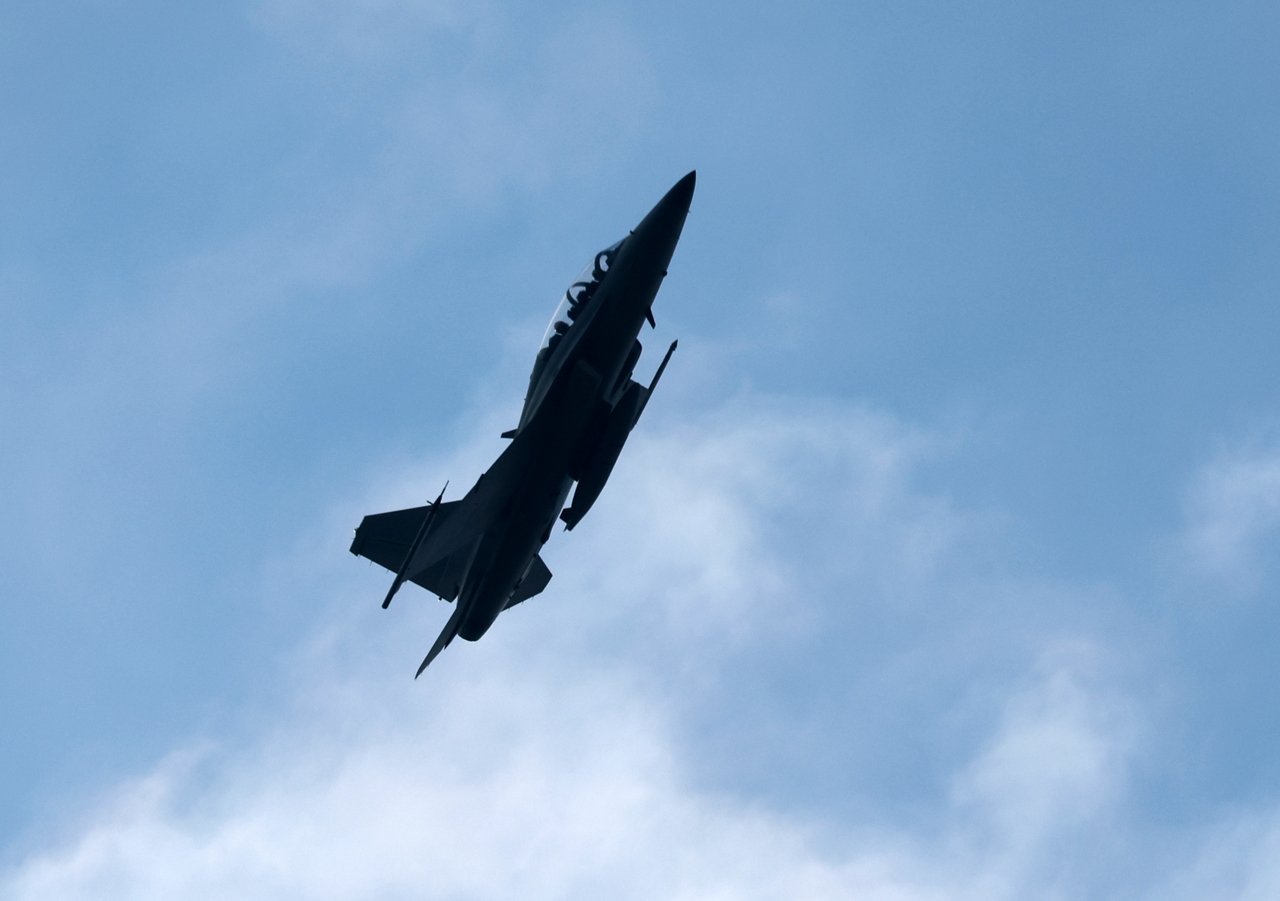
The project to relocate Gwangju's military airport will be pursued using a turnkey method — combining design and construction into a single contract — to shorten the overall construction period by an estimated three to four years.
Gwangju city has decided to adopt the turnkey approach for its time-saving benefits and plans to brief the Ministry of National Defense and the Ministry of Planning and Budget and continue discussions with both agencies.
Under the current sequential model, in which basic design, detailed design and construction proceed one after another, the entire project would take roughly 10 years to complete.
The turnkey method would allow a design firm and contractor to form a consortium and advance the project together, accelerating the overall pace.
The city plans to finalize the decision on adopting the turnkey approach in consultation with the central government once the relocation site is confirmed.
Muan-gun in South Jeolla Province was selected as the preliminary relocation candidate site in April. The Ministry of National Defense is forming a site selection committee and drawing up a support plan for communities surrounding the prospective site. Once the support plan is finalized, a public referendum will be held, with the relocation site expected to be confirmed by the end of this year.
"We have concluded that this is the most realistic and effective option, but it has not been finalized as there are still challenges to address, including securing funding," a Gwangju city official said. "Once the relocation site is decided, we plan to flesh out the project method and financing arrangements and seek government approval to make it official."
sij@heraldcorp.com