A two-part documentary produced by Singapore's CNA (Channel NewsAsia), titled "Inside Unit 731: Japan's Secret Human Experiments," has drawn significant attention across Asia since its recent release.
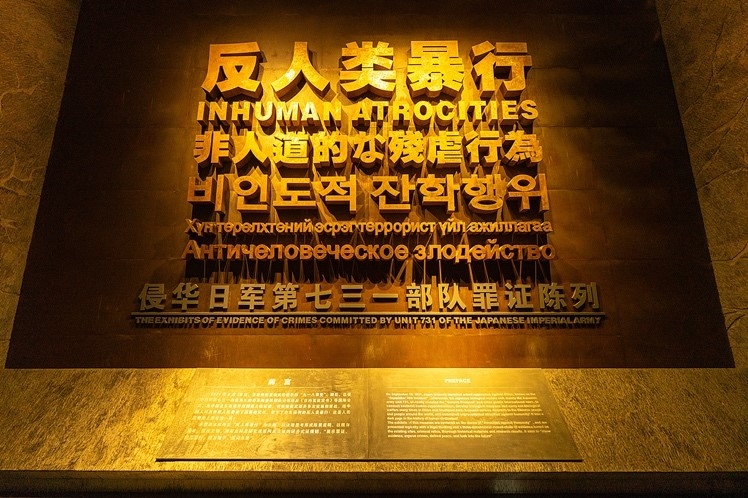
Unit 731 was a covert biological warfare research program operated by the Imperial Japanese Army near Harbin, Manchuria — often called "Asia's Auschwitz" for the large-scale human experimentation and biological warfare research conducted there. The documentary, produced by a team with International Emmy nominations, sheds new light on the unit's brutal history, which had been concealed for decades.
The production team at TVF International drew on a rare interview with Shimizu Hideo, believed to be the last surviving member of Unit 731, along with testimony from other survivors and newly declassified documents. The material reveals the full scale of atrocities inflicted not only on Chinese victims but also on British and American prisoners. According to the documentary, approximately 14,000 people died inside the facility between 1936 and 1945, and the unit's biological weapons research is estimated to have killed as many as 500,000 civilians across China.
The documentary also examines what happened after the war. The filmmakers said they were the first to reveal how key figures in Unit 731 secured immunity through a political arrangement — specifically, how the United States obtained the unit's biological weapons research data in exchange for shielding those responsible from war crimes prosecution. That account has appeared in various research works and documentaries over the years. Unit 731 has been the subject of other productions as well: NHK aired a documentary in 2018 based on audio recordings from a 1949 war crimes trial, and China released a feature film titled "731" in September last year. CNA's entry has drawn particular attention among Southeast Asian audiences, as it marks the first time a Singaporean outlet has taken on the subject.
China's state broadcaster CMG addressed the documentary in a column that detailed the historical facts surrounding Unit 731, while linking the subject to South Korea-Japan relations by citing remarks President Lee Jae Myung made at a press conference marking his first year in office.
At the June 8 press conference, President Lee responded to a question about a South Korea-Japan military logistics support agreement by saying genuine reconciliation requires a sincere apology from Japan first — likening the situation to being punched by someone who then asks to be friends as if nothing happened. His remarks came in the context of acknowledging the need for security cooperation while calling for a cautious approach that takes public sentiment into account.
CMG's column described the remarks as having "resonated widely in South Korean society" and used the history of Unit 731 as a bridge to deliver the message that "China and South Korea must together remember Japan's past."
kim3956@heraldcorp.com