Outdated equipment to be replaced and new units installed across 50 smart shelters by July, expanding hearing loop capabilities for users of hearing aids, cochlear implants and Bluetooth earphones
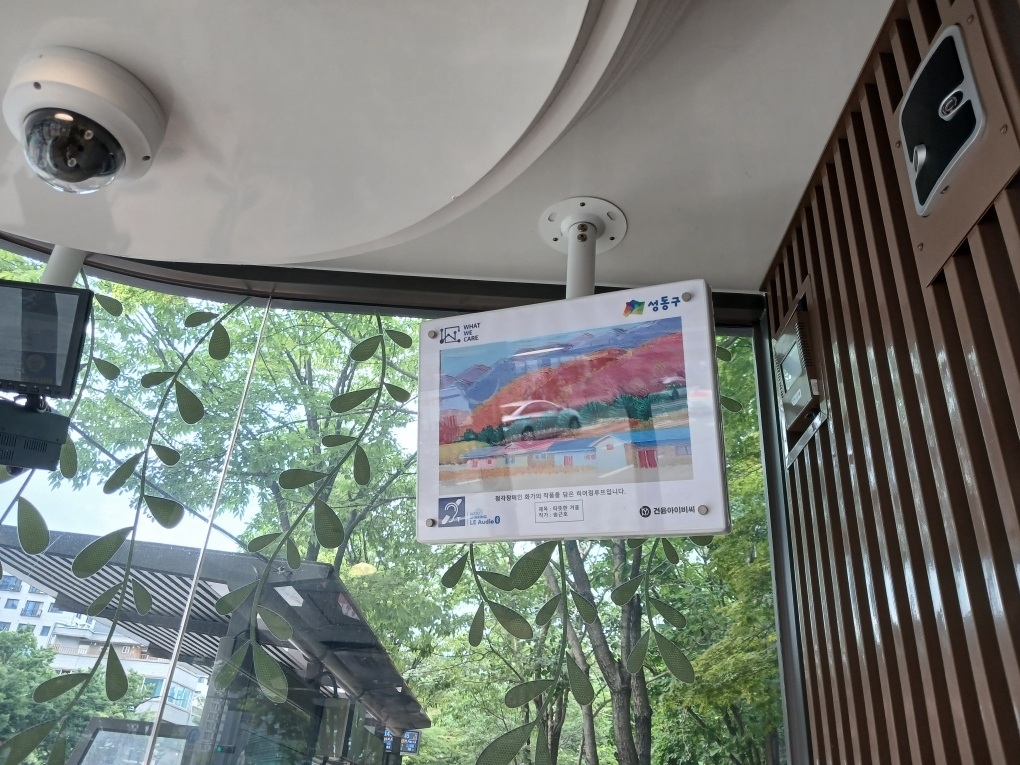
Seongdong-gu in Seoul is upgrading the hearing loop systems inside its smart shelters to improve public transit accessibility for people with hearing disabilities and hearing loss.
The hearing loop systems installed in Seongdong-gu's smart shelters help users of hearing aids and cochlear implants receive clear audio announcements while minimizing interference from ambient noise, improving information access for people with hearing impairments.
The district introduced hearing loops at its smart shelters in November 2023 through the Seoul Metropolitan Government's "Testbed Seoul" program, which it joined in 2022, and currently operates the systems at 47 locations. The upgrade project, funded by approximately 200 million won (about $132,000) in research and development grants secured through the city's "Technology Development Support for the Vulnerable" program, will run from June 20 through the end of July.
The project will replace aging equipment at the existing 47 locations and add new installations at three additional sites, bringing the total to 50 smart shelters. The upgrade retains the core T-coil (telecoil) mode of the existing hearing loops while adding Bluetooth LE Audio (Auracast), a next-generation wireless audio transmission technology.
The addition of Auracast means that not only hearing aid and cochlear implant users but also people with smartphones and standard Bluetooth earphones will be able to receive shelter announcements more clearly. Users of micro hearing aids that lack a T-coil function will also be able to access the service via their smartphones, further broadening listening accessibility and convenience.
Seongdong-gu will also build an IoT-based real-time monitoring system. Moving beyond the current practice of on-site inspections, staff will be able to check the operating status of hearing loop equipment at each smart shelter remotely via PC or mobile device. Power status, communication status and audio transmission status will all be monitored continuously, enabling faster responses when faults occur and establishing a more stable and efficient operational foundation.
"This project goes beyond simply replacing outdated equipment — it is about expanding information access for people with hearing impairments and creating a smart public service environment that everyone can use with ease," a district official said. "We will continue to harness advanced technology to build an inclusive smart city where all residents can enjoy public services without discrimination."
seouldream01@heraldcorp.com