Ordinary middle-aged and senior writers spent four years reading and writing together — and changed their lives in the process. A travel humanities essay rediscovers the self rather than the scenery.
Generative AI can produce an essay in seconds. Videos grow shorter by the day, and fewer people read long-form writing to the end. Speed — in creation and consumption alike — has become the norm. Yet one writing group in Seoul has spent four years doing exactly the opposite.
Members meet once a week to read classics, share each other's drafts, and debate a single sentence for hours. Some spend an entire week revising a passage; others wait months before a piece feels finished. What makes this remarkable is that none of them are professional writers. Teachers, office workers, entrepreneurs, homemakers — ordinary people living ordinary lives.
Their four-year experiment in slow reading and slow writing ultimately produced two books.
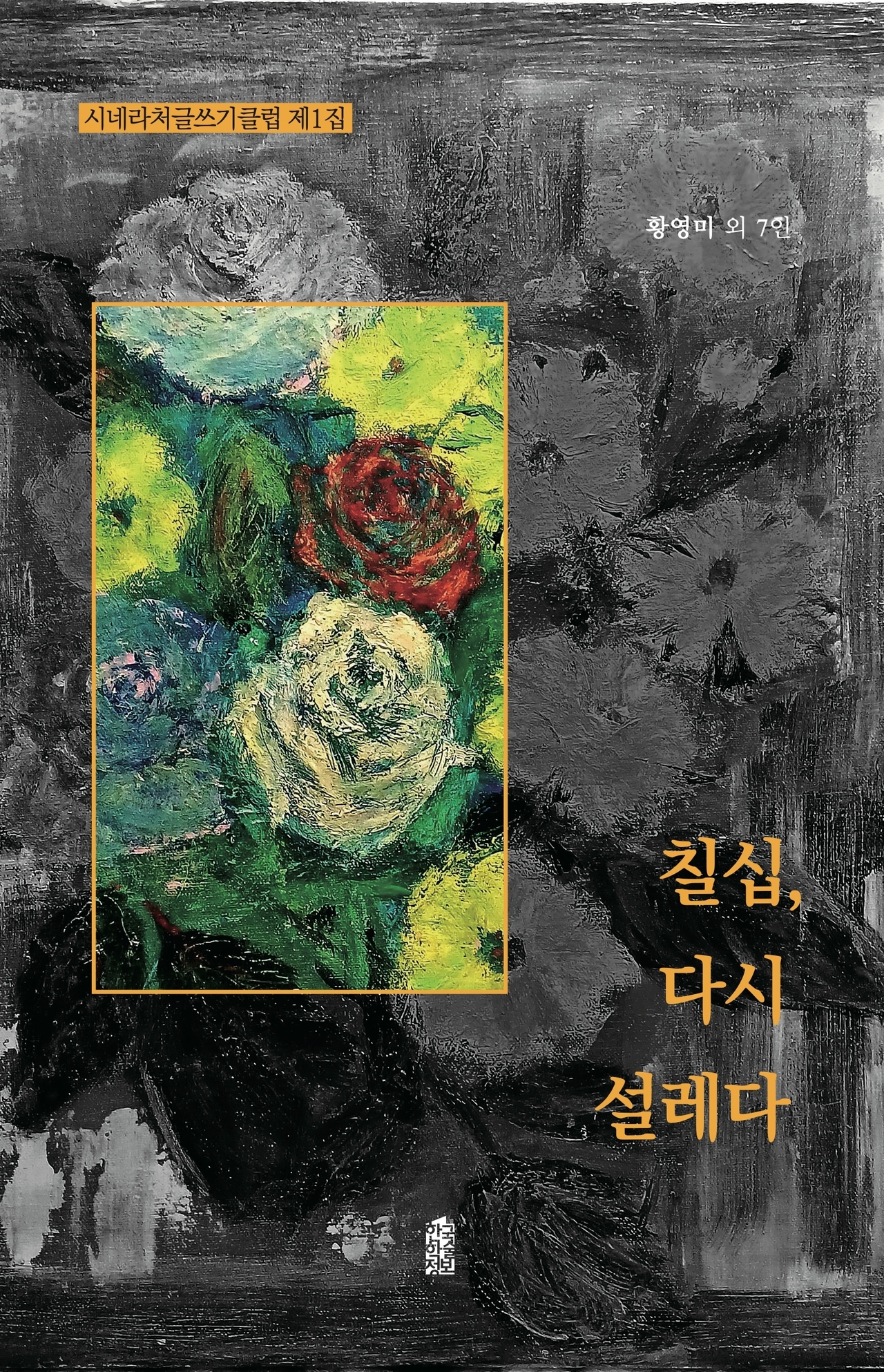
"Seventy, Excited Again" and "Dancing in a Strange Place" are more than co-authored collections. They are a cultural record of how reading and writing can transform a person in an age of rapid consumption.
<style ref="s1">They never set out to make a book</style>
From the outset, none of them dreamed of becoming writers. They simply wanted to read good books together. The Cinelature Writing Club was founded by Hwang Young-mi, a former professor at Sookmyung Women's University, as a reading community. Members worked through classics from East and West — Goethe, Virginia Woolf, Borges, Haruki Murakami, Han Kang — discussing each text at length. Those sessions gradually became a space for looking at their own lives anew, and they began, almost naturally, to write their own stories.
Every member read every manuscript. Strong passages were praised; rough sentences were polished together. Dozens of group critiques and rounds of revision followed. Hwang, the editor in chief, put it this way: "Good writing ultimately comes from good reading. We were not trying to produce skilled writers — we wanted to meet people who could see their own lives in a new light."
<style ref="s2">They did not record a journey — they rediscovered a life</style>
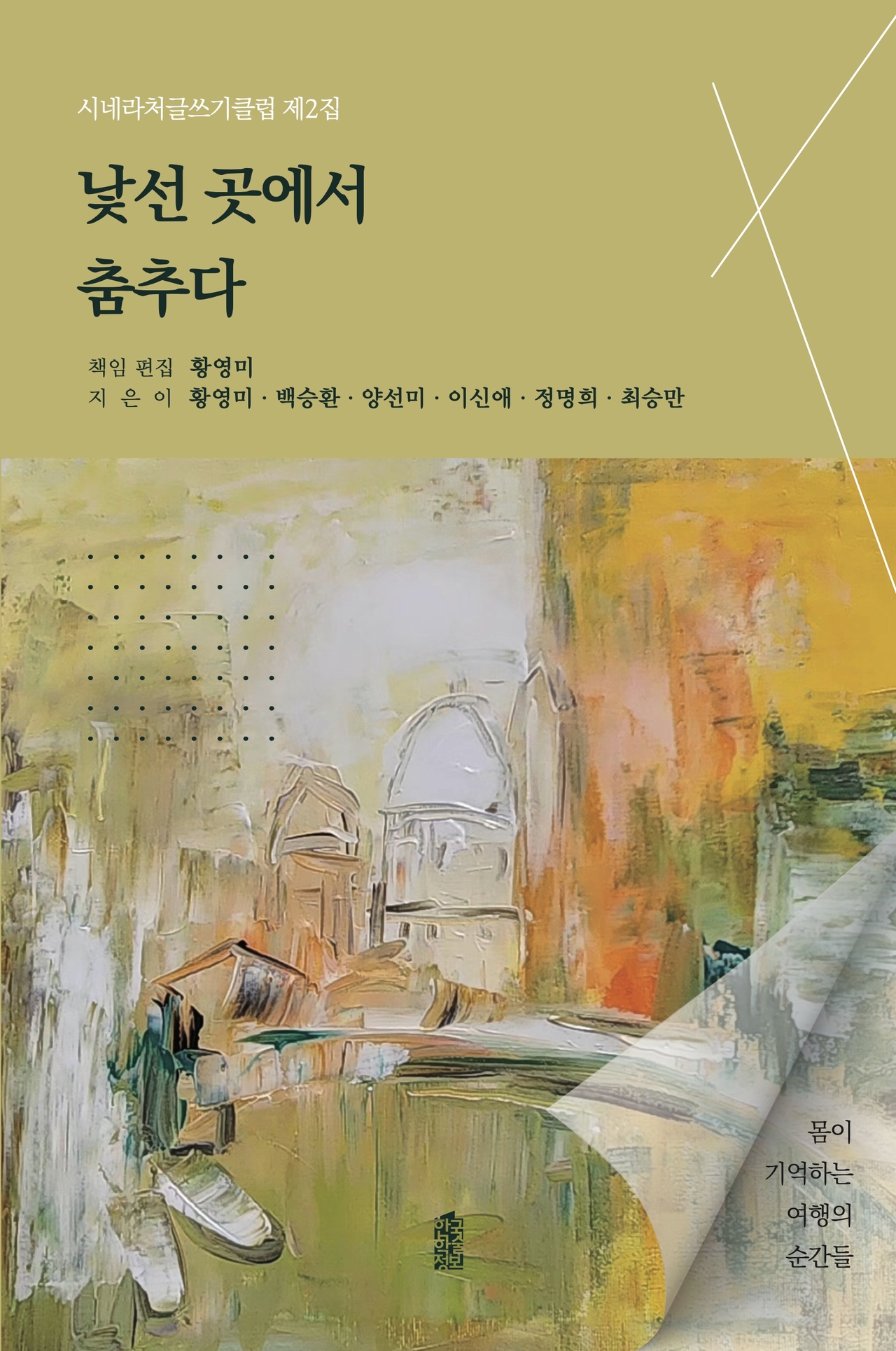
"Dancing in a Strange Place" is not a conventional travel memoir. Lisbon, Dublin, New York, Mont Blanc, Egypt — unfamiliar cities fill its pages, but the real destination is the human heart. Six authors chronicle how travel led them to rediscover themselves rather than the scenery around them. The result is not a guidebook but a travel humanities essay that invites readers to look back at their own lives.
The book's subtitle — "Moments of Travel the Body Remembers" — and the tagline on its dedicated website (www.farawaydance.kr), "The moment you leave the familiar, travel becomes a dance," capture its central idea most plainly.
Published alongside it, "Seventy, Excited Again" offers a different kind of inspiration. It is a book written by classmates who came together to read and write as they turned 70. At first, many were not comfortable using a computer. They sent manuscripts over KakaoTalk and relearned basic spelling from scratch. Yet after dozens of rounds of editing and revision, they completed a book — a record that upends the assumption that learning ends with age. A dedicated space on the Cinelature website has also been set up for authors and readers to connect.
<style ref="s3">What AI cannot replace</style>
AI can write. But it cannot write a life that has been lived. The process of one person reading another's words, asking questions, thinking together, and finding one's own language is still an experience only people can create for one another.
These two publications are less about the birth of two books than about a cultural case study in how a community of shared reading and writing can help people grow. They show that reading and writing can move beyond hobby to become a way of life.
"When you close the book, you want to travel. And then you want to write."
"Dancing in a Strange Place" is not a book that urges you to travel. It is a book that urges you to live a little more deeply. "Seventy, Excited Again" is not a book about age. It is a book that says a new beginning is possible at any time.
Together, the two volumes leave readers with a single question: "When did you last read your own life slowly?" And then, quietly, they give you a nudge: "Now write your story."
mhj@heraldcorp.com