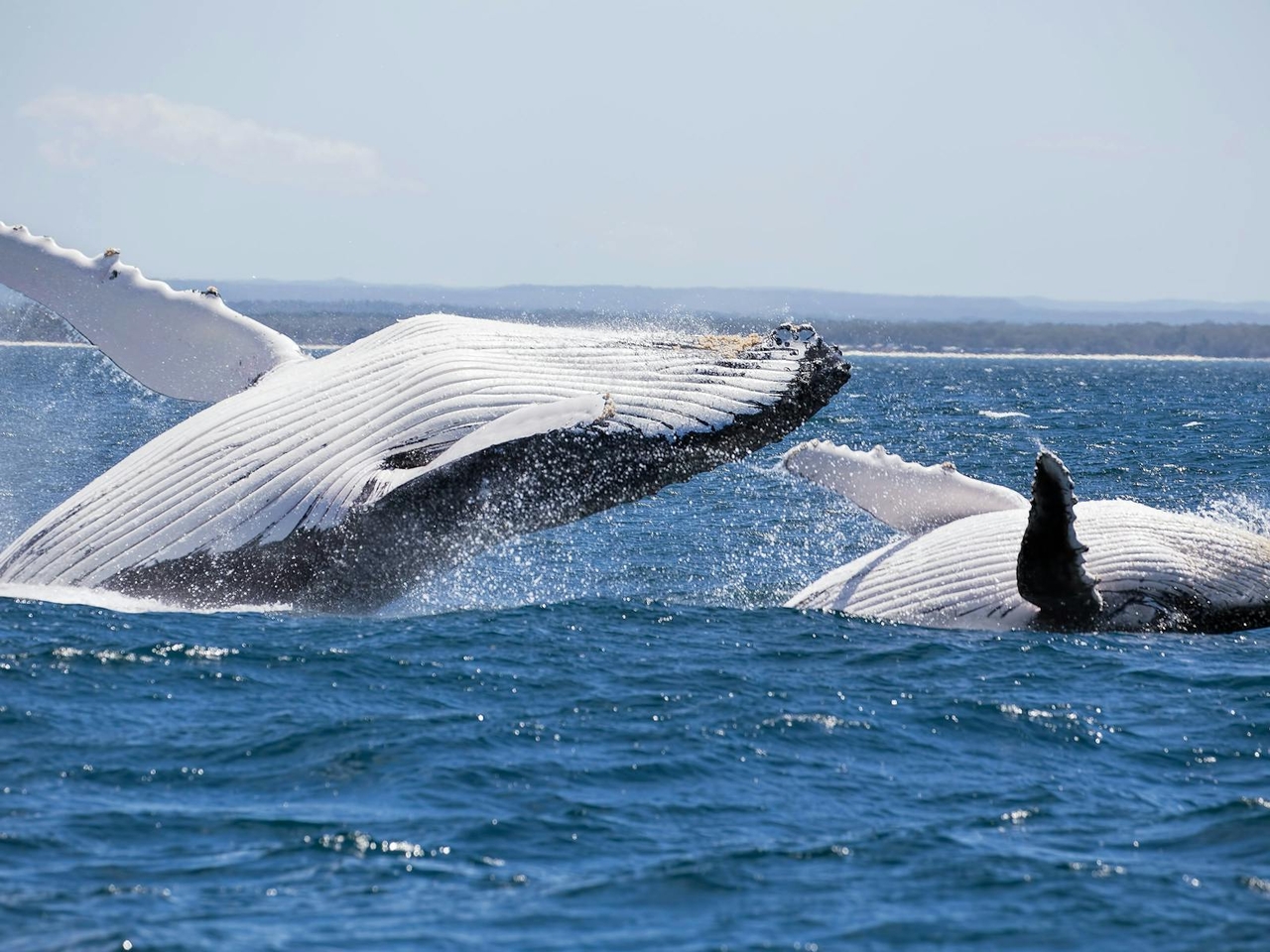
Jervis Bay in New South Wales, Australia, has become a popular winter travel destination in July — and for good reason. While other cold-weather escapes offer snow, this coastal spot draws visitors with a striking contrast of dazzling white sand and turquoise water.
Located about 200 kilometers south of Sydney, Jervis Bay is also widely regarded as one of the best places in Australia to watch whales, which are most active during the Southern Hemisphere's late autumn through early spring, from May to November.
For those curious about what the whales have seen on their journey from Antarctica, Australia's winter sea — which coincides with the Korean summer — is the place to find out.
Jervis Bay Marine Park offers visitors the chance to watch whales, dolphins, seals, penguins and sea dragons in their natural habitat.
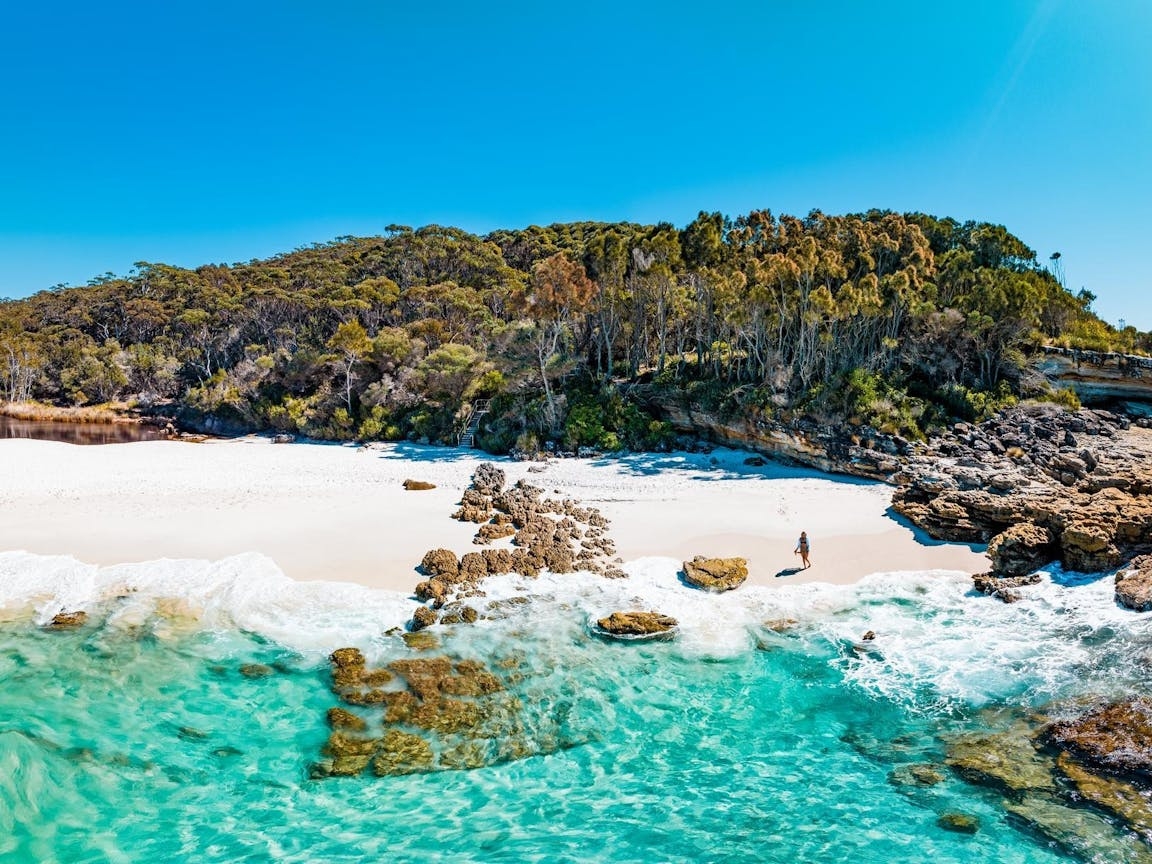
The bay is also notable for being surrounded by forests of exceptional beauty, including Booderee National Park. Owned and managed by the local Aboriginal community, the park features quiet walking trails where visitors can encounter Australian wildlife, as well as numerous beaches suited to a range of tastes.
Hyams Beach is one of Jervis Bay's most iconic stretches of sand. National park forest extends behind the shoreline, creating the bay's signature panorama of white sand, turquoise water and lush greenery. Walking trails wind along the coast and through the forest, offering sweeping views of both the bay and the national park, while the crystal-clear emerald water invites swimming, snorkeling, diving and fishing.
Chinamans Beach is known for some of the whitest sand in Jervis Bay and serves as a highlight of the White Sands Walk, a coastal trail linking Vincentia and Hyams Beach. Its relatively quiet atmosphere makes it an ideal spot for a relaxed and peaceful day by the sea.
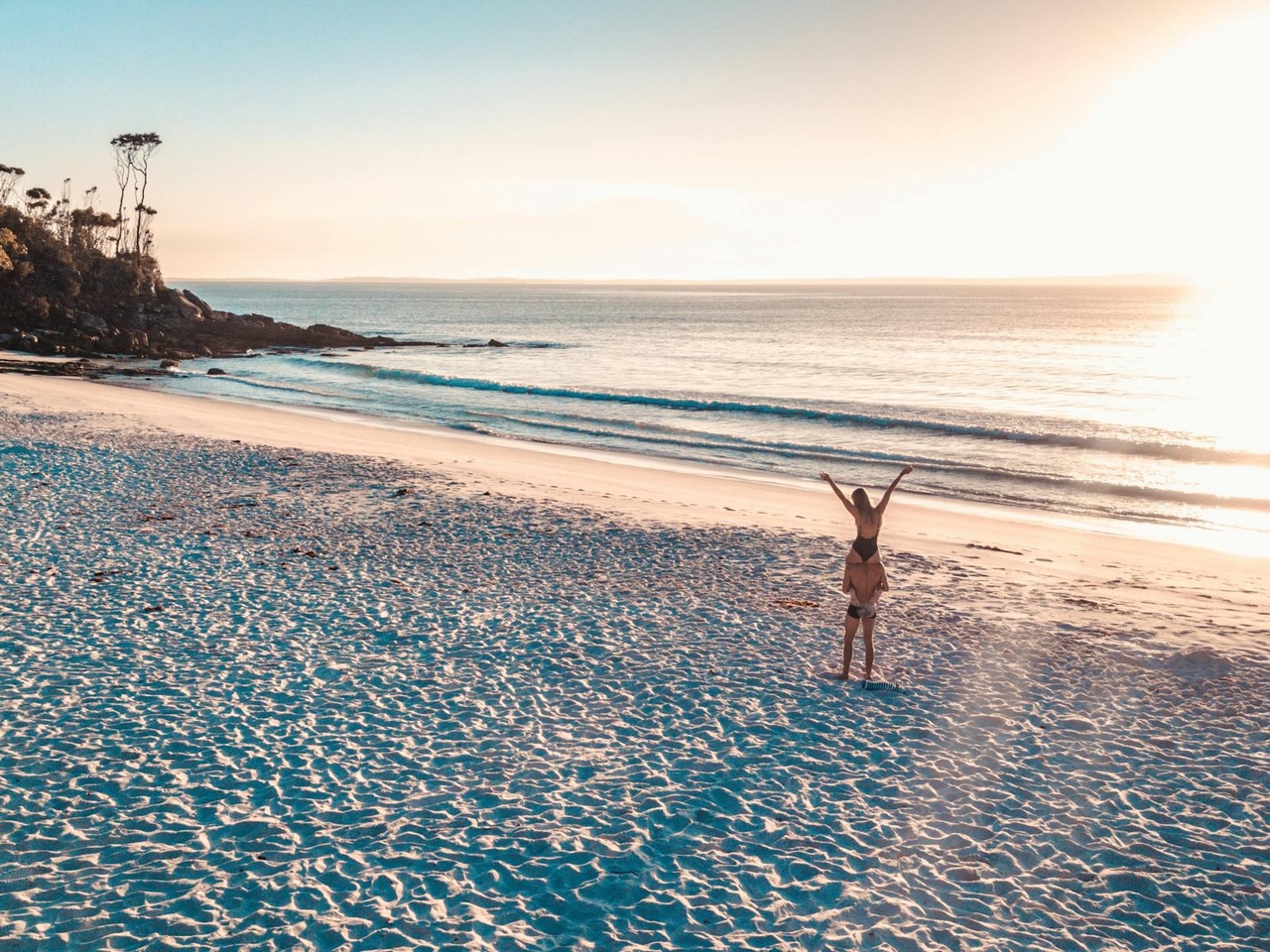
For those who want to linger along the shore, the roughly 2-kilometer White Sands Walk and Scribbly Gum Track offer an easy, unhurried route through forest and beach alike — perfect for taking in Jervis Bay's white sand, eucalyptus groves and calm coastal scenery at a leisurely pace.
The bay's two signature attractions are its white sand and its Antarctic whales. The Jervis Bay Wild Whale Cruise, departing from Huskisson, brings visitors face to face with the area's rich marine ecosystem.
Anyone visiting Jervis Bay between May and November should not miss the whale watching cruise. The roughly two-hour program follows humpback whales as they move along the south coast. From May through August, during the Australian winter, northward-migrating whales pass through the waters off Jervis Bay. From September through November, mother whales and their calves appear on their return journey south.
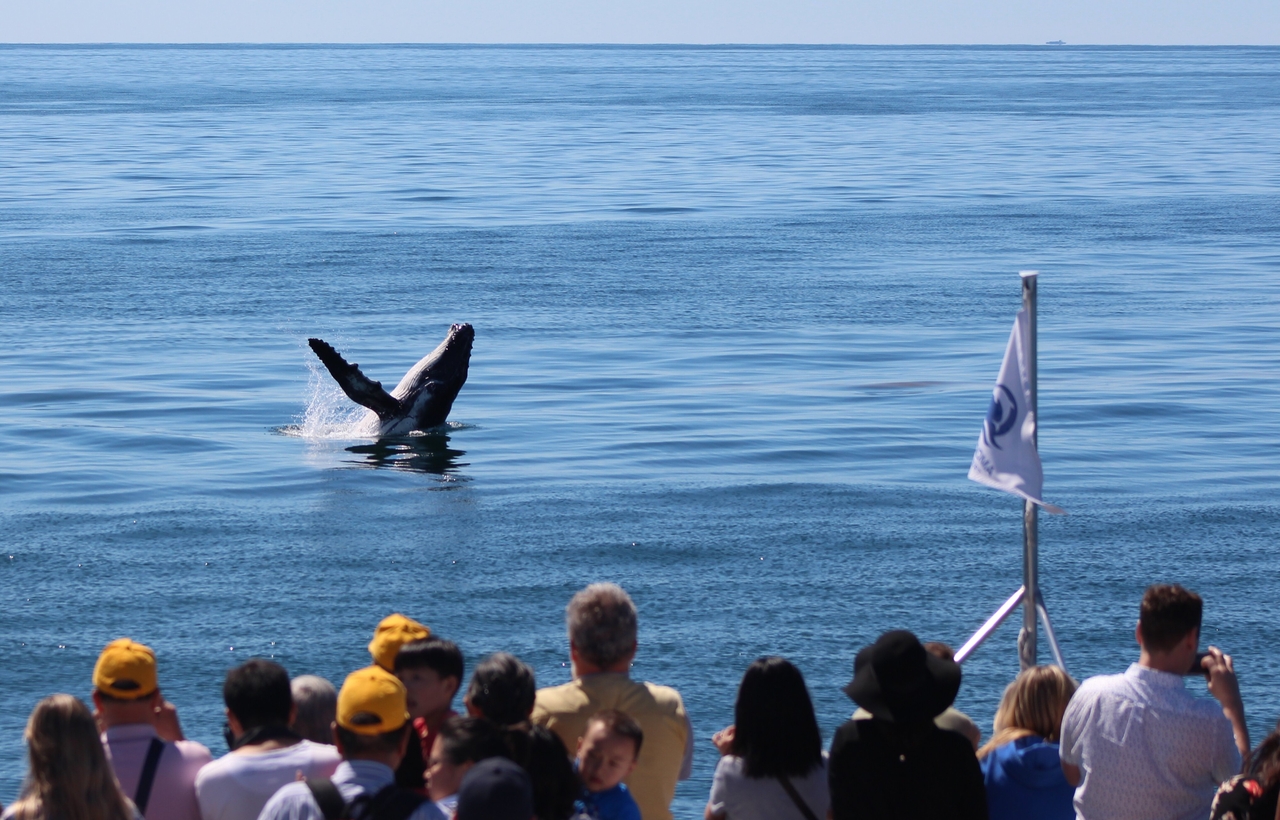
Against a backdrop of towering cliffs and ancient sea caves, cruise passengers can witness whales breaching and slapping their tails against the surface.
Beyond whale watching, Jervis Bay Wild operates dolphin cruises, sunset cruises and ocean swimming sessions from the boat's boom net, as well as kayaking, canoeing, stand-up paddleboarding and e-bike rentals — a lineup broad enough to appeal to families and adventure seekers alike.
Another draw is Jervis Bay's night sky. Jervis Bay Stargazing runs guided tours led by professional astrophysicists.
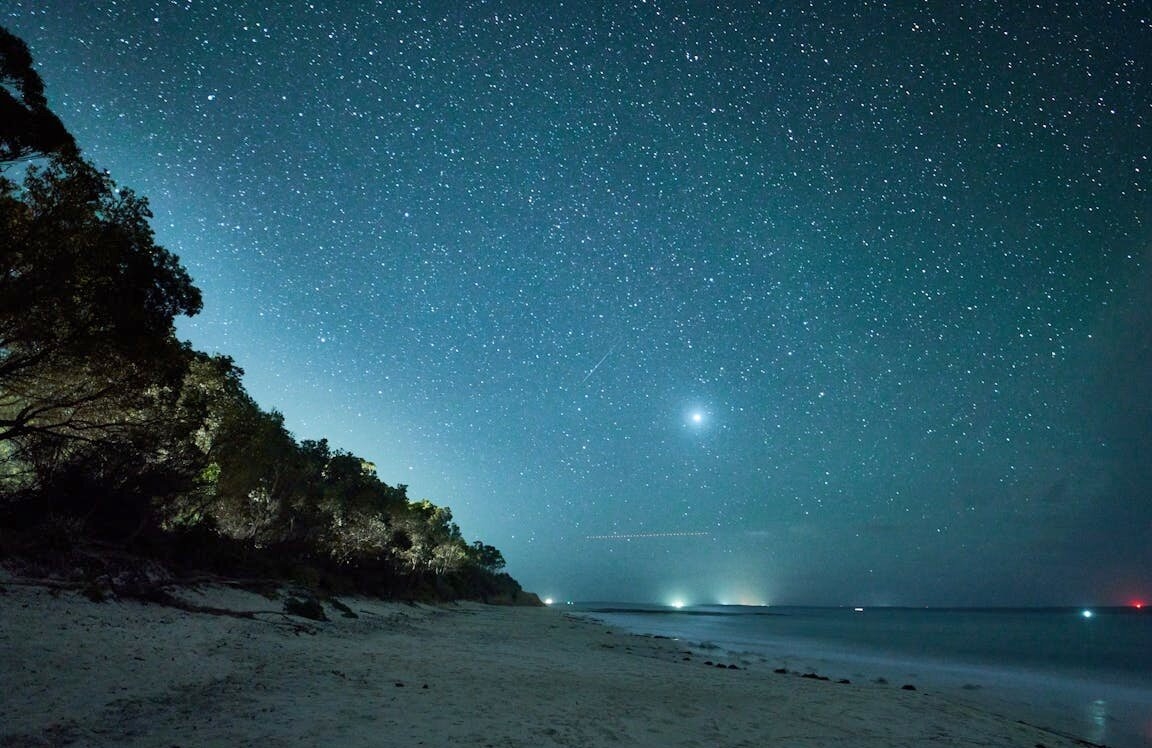
On the beach, laser pointers trace the outlines of constellations overhead, while professional telescopes and astronomical binoculars bring the moon's craters, Saturn's rings, Jupiter's moons, nebulae and star clusters into sharp focus. Guests can pose questions directly to the astrophysicist on hand and pick up tips on night photography as well.
abc@heraldcorp.com