
US agrees on swift OPCON transfer; nuclear submarine 'Jangbogo-N' program advances; domestic construction and treaty revision pursued; NATO a variable in Canada submarine bid
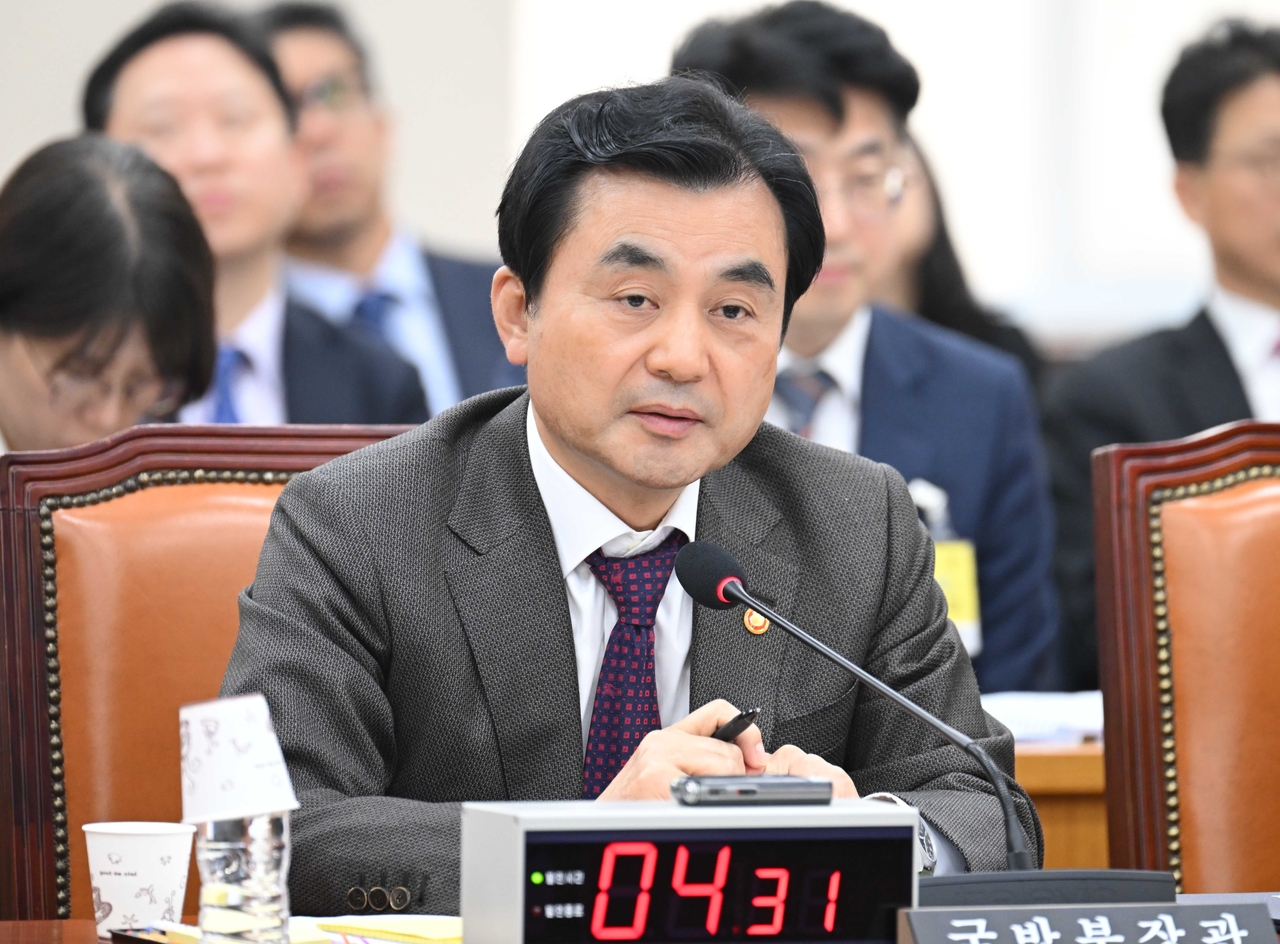
Defense Minister Ahn Gyu-baek said Sunday that South Korea and the United States share the view that wartime operational control, or OPCON, should be transferred promptly, but acknowledged that differences remain over the timing and conditions.
Ahn made the remarks on KBS's Sunday Diagnosis program, where he outlined recent discussions between the defense ministers of the two countries and said the US side had assessed South Korea's preparations positively.
"The United States evaluated that South Korea is preparing for OPCON transfer with great sincerity," he said. "During my visit to Washington, I briefed the administration and Congress in detail on our military's capabilities and readiness, and received considerable support and understanding."
He said the US side indicated it "encourages allies to pursue OPCON transfer and does not oppose an early transition." However, Ahn added that "a process is needed to find balance on operational plans and questions of responsibility," and acknowledged that "there are genuine differences in how the two sides interpret the timeline."
On meeting the conditions for transfer, Ahn said the second phase of verification is currently underway and that the issue is expected to be discussed at the Security Consultative Meeting in the second half of this year. The process will then move through Full Operational Capability and Full Mission Capability assessments before being reported to the leaders of both countries.
"OPCON transfer is not something one side can decide unilaterally — it requires agreement between South Korea and the United States," Ahn said. "Combined defense posture and independent defense are not a matter of choice; they are inseparable." He added that South Korea's military possesses conventional forces ranked among the world's best, and that troop morale and fighting spirit are very high.
On the changing nature of modern warfare, he said the paradigm is shifting toward drones and precision strikes, but that the South Korean military has sufficient capability to respond.
Ahn also addressed the Jangbogo-III Batch-III, or Jangbogo-N, nuclear-powered submarine program, calling it "an opportunity for South Korea to leap from a tactical nation to a strategic one." He described nuclear-powered submarines as "a game-changer that transforms the paradigm of war and a national strategic asset," and said a pan-government task force involving 10 ministries has been formed to advance the project.
Domestic construction is the preferred direction for building the submarines, Ahn said. "South Korea's shipbuilding and nuclear technology is world-class, and domestic construction is feasible once fuel is secured," he said. "Domestic construction is also justified in terms of cost and efficiency."
On the fuel question, he said South Korea is reviewing options to secure low-enriched uranium with US cooperation, and stressed that "South Korea is a model country that complies with the Nuclear Non-Proliferation Treaty, and there is no concern about nuclear armament." He added that amending the South Korea-US nuclear cooperation agreement is necessary for this and that consultations are currently underway.
On the competition to win Canada's submarine contract, Ahn said South Korea holds an advantage in performance, delivery schedule and price competitiveness, but noted that "the NATO alliance relationship between Canada and Germany is a variable."
Ahn said his goals as minister are to establish the military's political neutrality and improve troop welfare, vowing to "elevate the South Korean military to the world's highest level."
rimsclub@heraldcorp.com




