
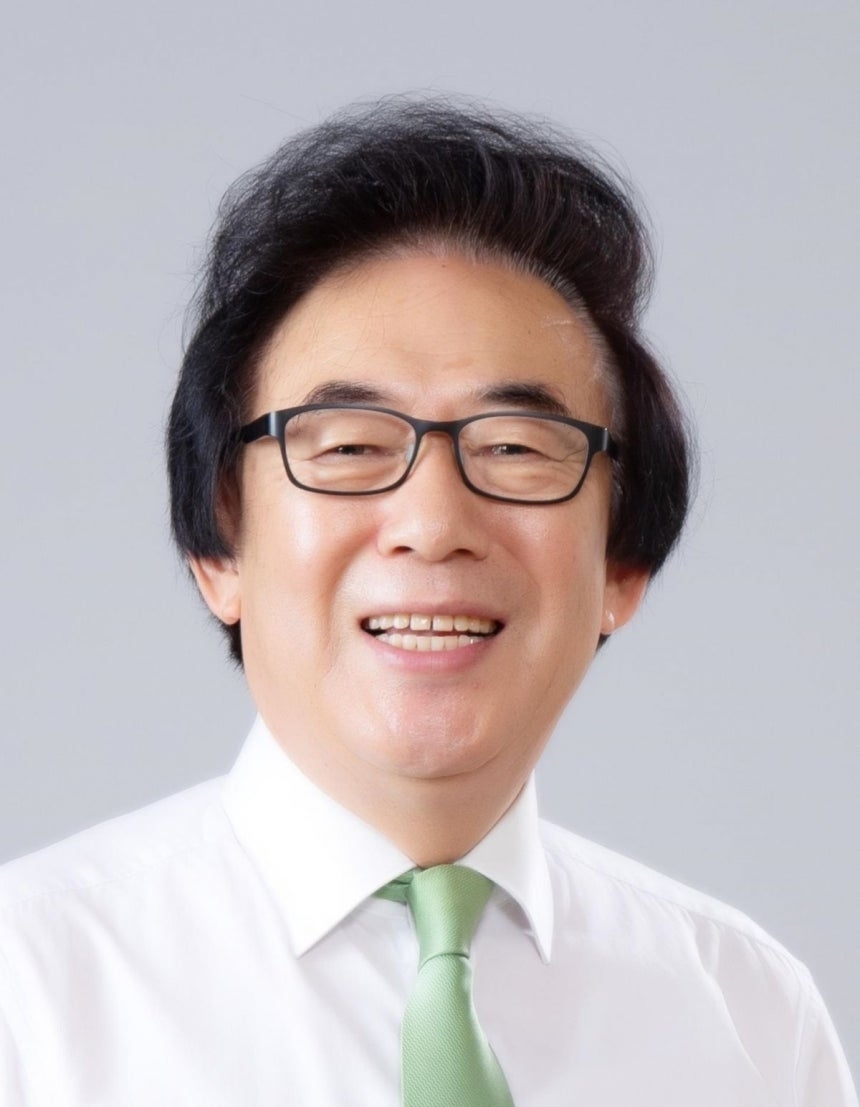
Attention is mounting over who will become speaker of the 12th Seoul Metropolitan Council for its first half-term, set to launch July 1.
The Democratic Party of Korea secured 80 of the council's 118 seats in the June 3 local elections, making it the overwhelming majority party and all but guaranteeing the speakership will go to one of its members.
The 12th Seoul Metropolitan Council comprises 118 members — 103 from constituency seats and 15 from proportional representation. The Democratic Party holds 80 seats (73 constituency, 7 proportional) and the People Power Party holds 38 (30 constituency, 8 proportional).
Among the candidates being discussed, five-term lawmaker Kim Ki-deok is considered the frontrunner. Kim has served on the Seoul council during its 5th, 8th, 10th, 11th and 12th terms, making him the most senior member by terms served. Born in December 1954, he is also the council's oldest member.
Kim won his Mapo District Ward 4 seat with 60.16 percent of the vote, demonstrating his continued strength in what had been a competitive district. Shortly after the election, he said he intended to repay voters with energetic politics over the next four years, having spent the previous four as a member of the minority party.
Political observers say Kim's unmatched seniority and extensive legislative experience put him ahead of the field. "With the Democratic Party becoming the majority, the speaker election has become the biggest point of interest," a Seoul Metropolitan Council official said. "It is true that Kim Ki-deok, as the most senior member, is the leading candidate."
The path to the speakership may not be straightforward, however. Within the Democratic Party, a significant number of voices are calling for a competitive selection process rather than deferring to seniority.
Among potential challengers is Kim In-je, a four-term council member who served as deputy speaker during the second half of the 11th council term.
Three-term members Kang Dong-gil and Im Man-gyun are also said to have been quietly preparing bids for the speakership. Voices within the party have argued that "as the majority party, innovative leadership and a generational shift are also needed," making whether a primary election is held the single biggest variable in the race.
If the Democratic Party holds an internal primary, the outcome will likely hinge on far more than seniority alone. Factional alignments, regional balance, standing committee chair allocations and the floor leader election are all expected to come into play.
The stakes carry broader political symbolism. Should Kim Ki-deok win the speakership, Seoul would be led by two five-term veterans: Mayor Oh Se-hoon, in his fifth term under the ninth round of direct mayoral elections, heading city administration, and a five-term speaker presiding over the council. Some observers suggest an experienced speaker could strike a balance of oversight and cooperation in response to Mayor Oh's assertive policy agenda.
In the 11th Seoul Metropolitan Council, where the People Power Party held the majority, the speakership for the first half-term went to Kim Hyeon-gi, then the party's most senior member with four terms served and now the district mayor-elect of Gangnam-gu.
Meanwhile, three-term council members Lee Sang-hun, Seong Heum-je and Lee Hyeon-chan are among those being mentioned as candidates for the Democratic Party's floor leader position.
The Seoul Metropolitan Council plans to finalize its slate of speaker candidates through internal Democratic Party discussions later this month before electing the speaker and deputy speakers at a plenary session in early July. Kim Ki-deok holds the strongest position by current assessments, but observers inside and outside the council broadly agree that the final outcome could shift depending on whether the Democratic Party holds an internal primary.
seouldream01@heraldcorp.com




