Neighborhood-level public-private partnership bodies step up efforts to identify households in crisis and build welfare communities; 352 members across 17 dong councils plan and run tailored local programs including small movie theaters and birthday meal support
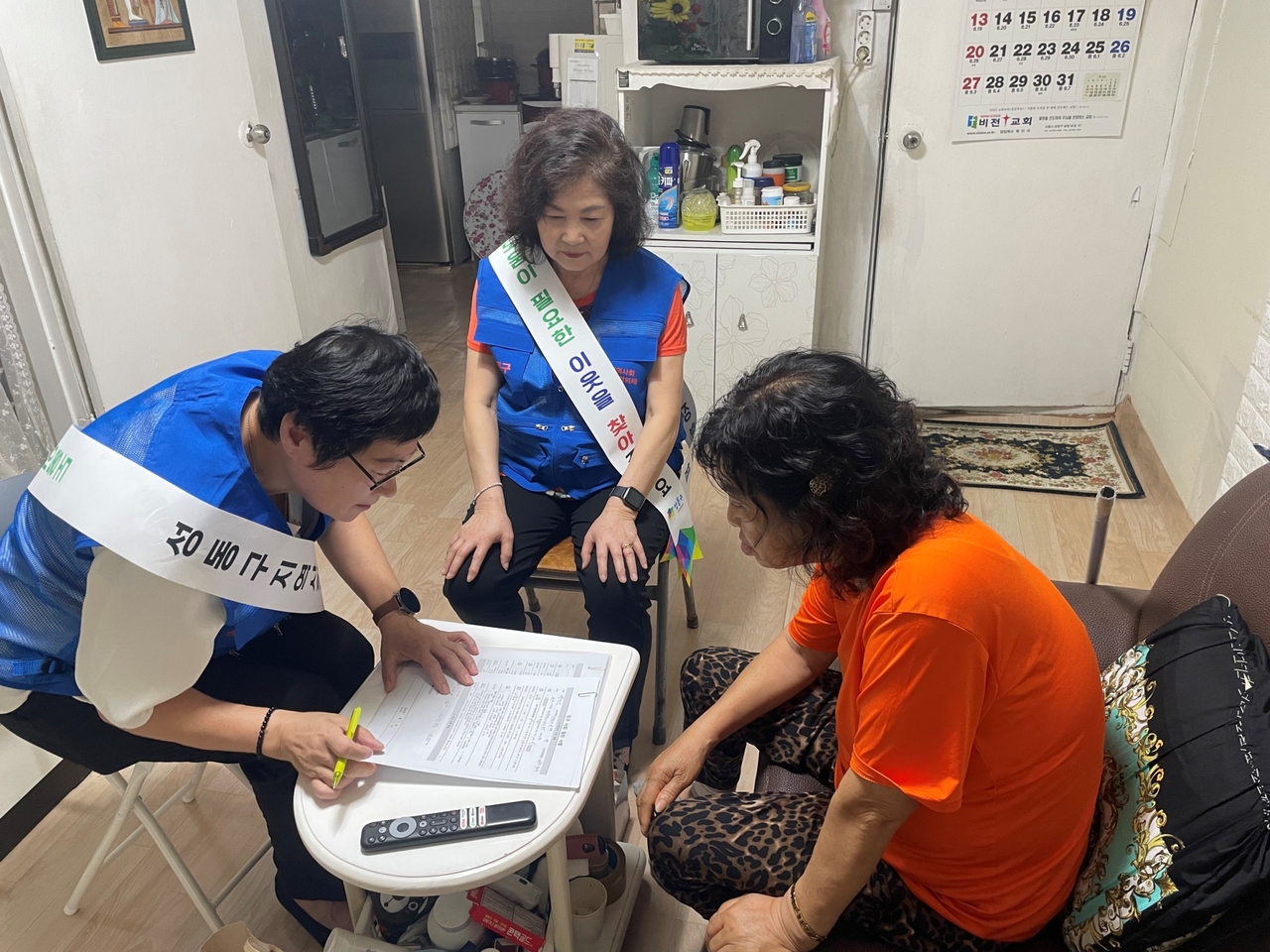
Seoul's Seongdong-gu is running neighborhood-tailored welfare programs centered on its dong-level community social security councils, which identify socially isolated households at risk and connect them with a range of welfare support services.
The dong community social security councils are public-private cooperative networks that identify and care for residents in need at the neighborhood level. In Seongdong-gu, 352 council members — drawn from residents with an interest in welfare, workers in daily-contact industries and welfare institutions, medical professionals, vocational association members and volunteers — plan and carry out programs that reflect each neighborhood's distinct characteristics and residents' needs.
Rising fuel costs, high inflation and job insecurity are deepening hardship for many residents, making active community attention and response increasingly urgent. Particularly vulnerable are isolated and reclusive young and middle-aged adults who have lost social ties, as well as elderly people living alone — groups that often fail to receive timely help even when they find themselves in crisis.
In response, the 17 dong community social security councils across Seongdong-gu have intensified resident-led, public-private cooperative efforts spanning the full cycle — from identifying isolated households and providing support to strengthening social connections and preventing re-isolation — keeping a tight-knit local care system in operation.
To build a welfare network that strengthens public-private coordination and communication at the neighborhood level, the councils have regularized both dong-level partnership meetings and a standing meeting of the 17 private-sector council chairs, where best practices are shared and collaborative matters discussed. Building on that foundation, the councils conduct field-centered outreach: door-to-door visits and living-condition checks targeting isolated residents in vulnerable housing — rooftop units, below-ground floors and aging multi-family buildings — as well as goshiwon lodging houses and areas with high concentrations of single-person and welfare-recipient households.
The councils also plan to visit institutions closely connected to residents' daily lives to raise awareness of warning signs of isolation and available support programs, and to run campaigns encouraging people to report households in crisis — efforts aimed at building the community's capacity to respond to welfare needs.
Residents identified through outreach are connected with public and private welfare resources suited to their individual circumstances, selected as beneficiaries of dong-specific programs, and followed up with regular welfare checks and support for building social networks.
Neighborhood-specific programs include housing environment improvement projects, small movie theater screenings, community outings, birthday meal support and banchan sharing in partnership with local markets. A particular focus is the "Juju Caregiver" initiative — short for "residents caring for residents" — which pairs council members with isolated neighbors on a one-to-one basis to check in on them and support outings. Community network-building programs run as shared activities across all neighborhoods round out the effort, with the goal of activating a resident-centered, tightly woven dong welfare safety net.
seouldream01@heraldcorp.com