
100% cold wallet storage, monthly reporting required; eligibility limited to FIU-registered virtual asset service providers
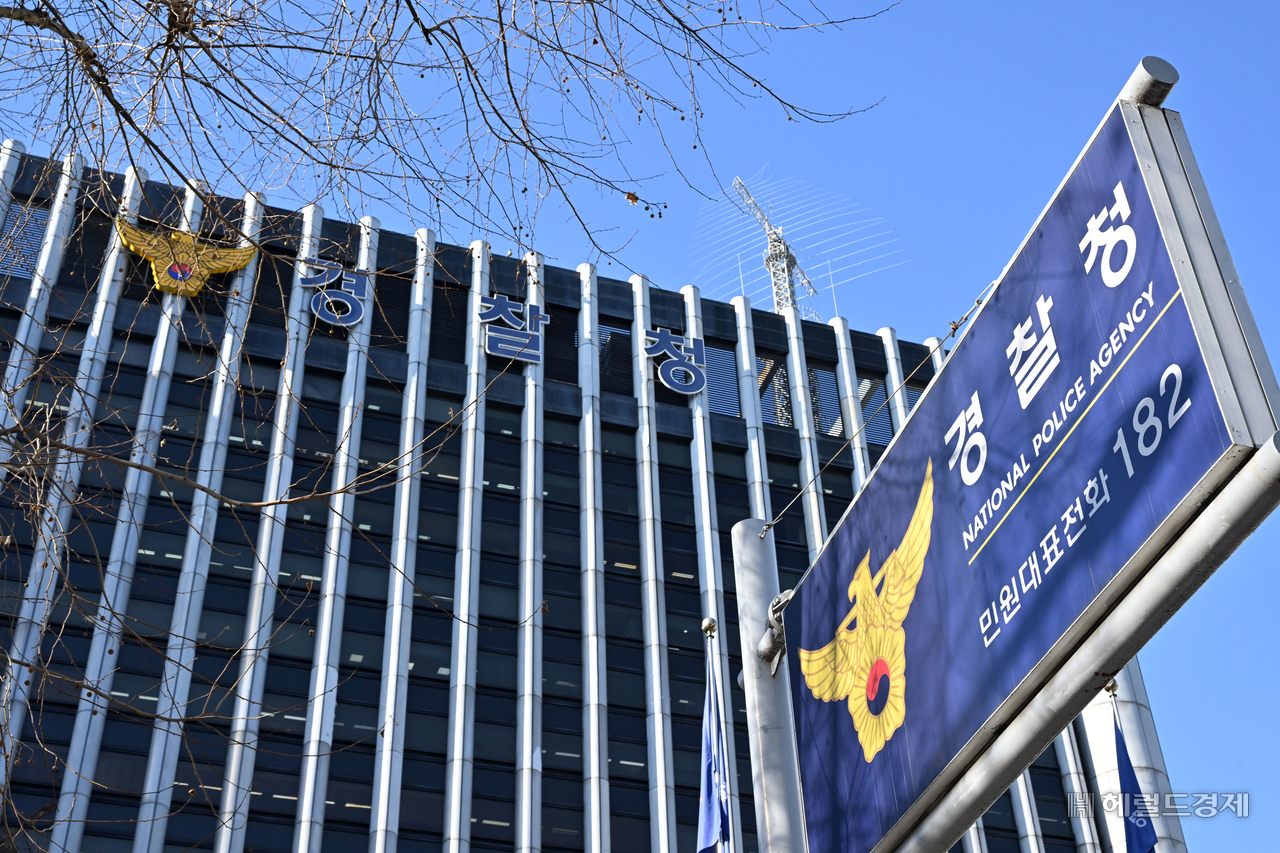
Following the National Tax Service, the Korean National Police Agency has decided to outsource the custody of seized virtual assets to a private operator. The move aims to manage seized assets more systematically and reduce security risks and legal disputes that can arise during the seizure and return process.
According to the Public Procurement Service's online marketplace, the police agency published a pre-specification document for a seized virtual asset custody and management project on May 27. The project budget is 267 million won (about $175,000), and the selected operator will manage virtual assets held by the police agency for one year from the contract signing date.
The police agency said the project is intended "to improve operational efficiency in the seizure and custody of virtual assets, reduce fees incurred during the transfer of seized virtual assets, and ensure their safe storage."
This project is more operational in nature than the custody initiative previously pursued by the National Tax Service. The NTS first launched a service contract to establish an operating framework and support a pilot program for a dedicated seized virtual asset custody system, and plans to issue a full request for proposals after the pilot period ends in December. The police agency, by contrast, is selecting an operator to handle the actual seizure, storage and return of virtual assets arising from investigations.
<style ref="s0">100% cold wallet storage — full compensation required for any loss</style> The core requirements set by the police agency are 100% cold wallet storage and separate management by wallet. Because police seizures of virtual assets can occur without advance notice, the operator must be able to accept as many types of coins and tokens as legally permissible, quickly and securely.
The operator must also generate and issue wallet addresses upon request from police units, and each issued wallet must be segregated under a unique address. For assets in custody, the operator must be able to verify on-chain and off-chain status, current market price, quantity, type, case number and other internal identification information.
Virtual assets seized by the police agency must be stored in 100% cold wallets isolated from the internet. Network connectivity is permitted only when a police officer requests it for processing, and cryptographic security measures such as multi-signature systems must be applied when transferring virtual assets.
The agency also called for contingency measures against key loss and physical incidents. The operator must prepare a plan for cases in which keys needed to transfer virtual assets are lost, and cold wallets in storage must be protected against fire, theft and physical damage.
The police agency specifically stipulated that if virtual assets in custody are lost, the operator "must be able to provide 100% compensation under any circumstances." The operator must establish a loss compensation plan through reserves, insurance or similar means. If compensation becomes necessary, assets seized by police must be restored as the first priority, with full reimbursement guaranteed.
The operator must also provide the police agency with a status report on seized virtual assets in custody at least once a month. The operator must be able to submit audit reports when required, and must be able to undergo internal and external inspections as well as inspections led by the police agency whenever a review of assets in custody is needed.
<style ref="s1">Bidding open to VASPs — joint consortiums permitted</style> Eligibility to participate in the police agency's virtual asset custody project is limited to virtual asset service providers (VASPs) registered with the Financial Intelligence Unit under the Act on Reporting and Using Specified Financial Transaction Information. Bidders must be operators that perform virtual asset storage or management services under the Act on the Protection of Virtual Asset Users.
Joint consortium bids are permitted in addition to sole bids. A consortium may consist of up to five members, and each member must hold a minimum participation share of at least 10 percent. Subcontracting is not permitted, given the nature of investigative work.
Meanwhile, Korea Digital Asset Custody (KDAC) submitted a pre-specification review on May 28, raising three questions: the current and maximum scale of virtual assets under seizure and custody; whether force majeure situations beyond the custodian's control — such as natural disasters or inherent flaws in a blockchain protocol — are included in the scope of compensation; and whether a compensation cap is envisioned, similar to the bank deposit protection regime. KDAC noted that the scale of seized assets is a factor needed to calculate insurance coverage amounts and premiums, making prior confirmation necessary.
In response, the police agency said the scale of seized assets falls under investigative matters and that specific figures cannot be disclosed under the Act on Disclosure of Information by Public Institutions. The agency also made clear that full compensation without a separate liability cap is the principle, stating that "even if damage occurs due to force majeure, compensation is required because these are assets seized by the state."
![[단독] 국세청, 압류 코인 외부 보관기관 위탁 검토 [크립토360]](https://wimg.heraldcorp.com/news/cms/2026/03/10/news-p.v1.20260310.ed6f6e1e65924745a83be2cdc1a6ccc9_T1.jpg)

kyoung@heraldcorp.com



