Calls are growing within and outside the People Power Party for accountability over what critics say were flawed candidate nominations in two Seoul district mayor races during the June 3 local elections.
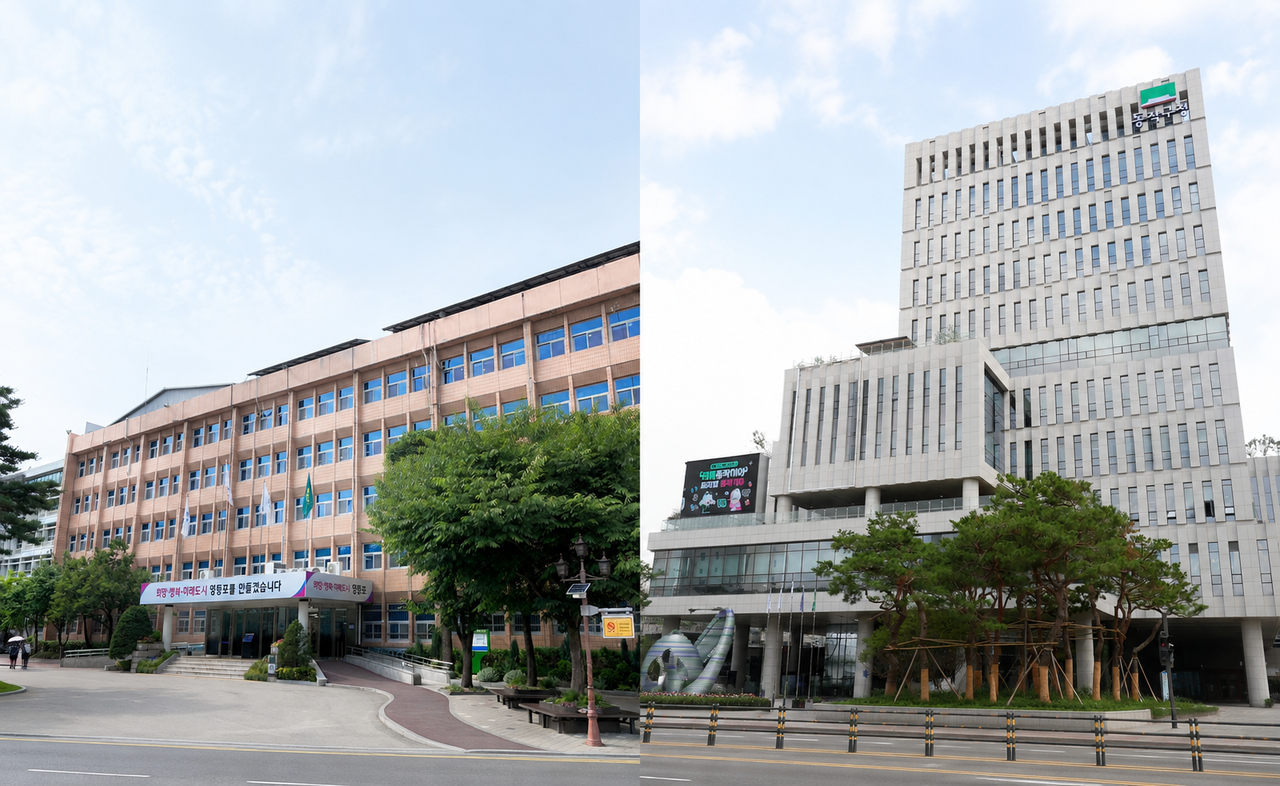
Yeongdeungpo-gu and Dongjak-gu have emerged as the districts where the People Power Party's wounds from the June 3 local elections run deepest.
Both races were marred by controversy during the nomination process, and the losses that followed have amplified calls — from inside and outside the party — for someone to be held accountable.
"Oh Se-hoon won 8,190 more votes than the Democratic Party candidate for Seoul mayor, yet the People Power Party candidate for Yeongdeungpo district mayor lost by 8,685 votes," said one People Power Party supporter living in Yeongdeungpo-gu. "What on earth happened during the nomination process?"
The People Power Party's Seoul chapter had originally planned to hold a primary election between then-incumbent district mayor Choi Ho-kwon and candidate Choi Ung-sik. Shortly before the election, however, the party changed course, excluded Choi Ho-kwon from the primary and handed Choi Ung-sik an uncontested nomination.
The decision drew significant backlash from the community. Some residents launched an online petition drive, and Choi Ho-kwon's camp filed an injunction with the court in a forceful challenge to the decision.
The Seoul chapter held firm and ultimately nominated Choi Ung-sik.
The outcome was painful.
While People Power Party candidate Oh Se-hoon outpaced Democratic Party candidate Jeong Won-o in the Seoul mayoral race, the Democratic Party candidate won the Yeongdeungpo district mayor contest. Many in local political circles say excluding a candidate with the advantages of incumbency and organizational strength proved to be the decisive factor in the defeat.
"Elections speak through results," a party official said. "The party's central leadership needs to examine whether the nomination process was handled appropriately and where responsibility lies."
Dongjak-gu presents a similar case.
There, incumbent district mayor Park Il-ha was cut from the nomination process. He subsequently ran as a Reform Party candidate and received 40,445 votes.
Democratic Party candidate Ryu Sam-young won the seat with 92,638 votes, while People Power Party candidate Kim Jeong-tae was limited to 72,673 votes.
Even a simple calculation suggests the outcome could have been different had the conservative vote not been split.
"Park Il-ha's decision to run under the Reform Party banner — rather than as an independent — divided the conservative vote," said one political insider in Dongjak-gu. "Had there been sufficient negotiation and persuasion during the nomination process, a different result was very much possible."
To be sure, election defeats cannot be attributed solely to nomination decisions. Candidate quality, campaign strategy, the national political climate and party approval ratings all play a role.
Yet the Yeongdeungpo and Dongjak cases again underscore how consequential nominations can be. In local elections, incumbent district mayors often carry a powerful advantage built on administrative track records and organizational networks. When a nomination decision defies that logic, it risks fracturing the party's base and handing the race to the opposition.
Ultimately, what these elections leave the People Power Party is not simply a question of why it lost. The deeper reckoning is whether the nomination process was fair, whether it genuinely reflected the will of local voters — and who will bear political responsibility for the outcome.
The elections may be over, but political observers say the debate over nomination accountability is only just beginning.
seouldream01@heraldcorp.com