10 hands-on science sessions for 2nd–5th graders, run in partnership with Ewha Womans University; enrollment opens June 8–12 at the Mapo-gu district office website — 20 spots per class, tuition free, materials fee separate
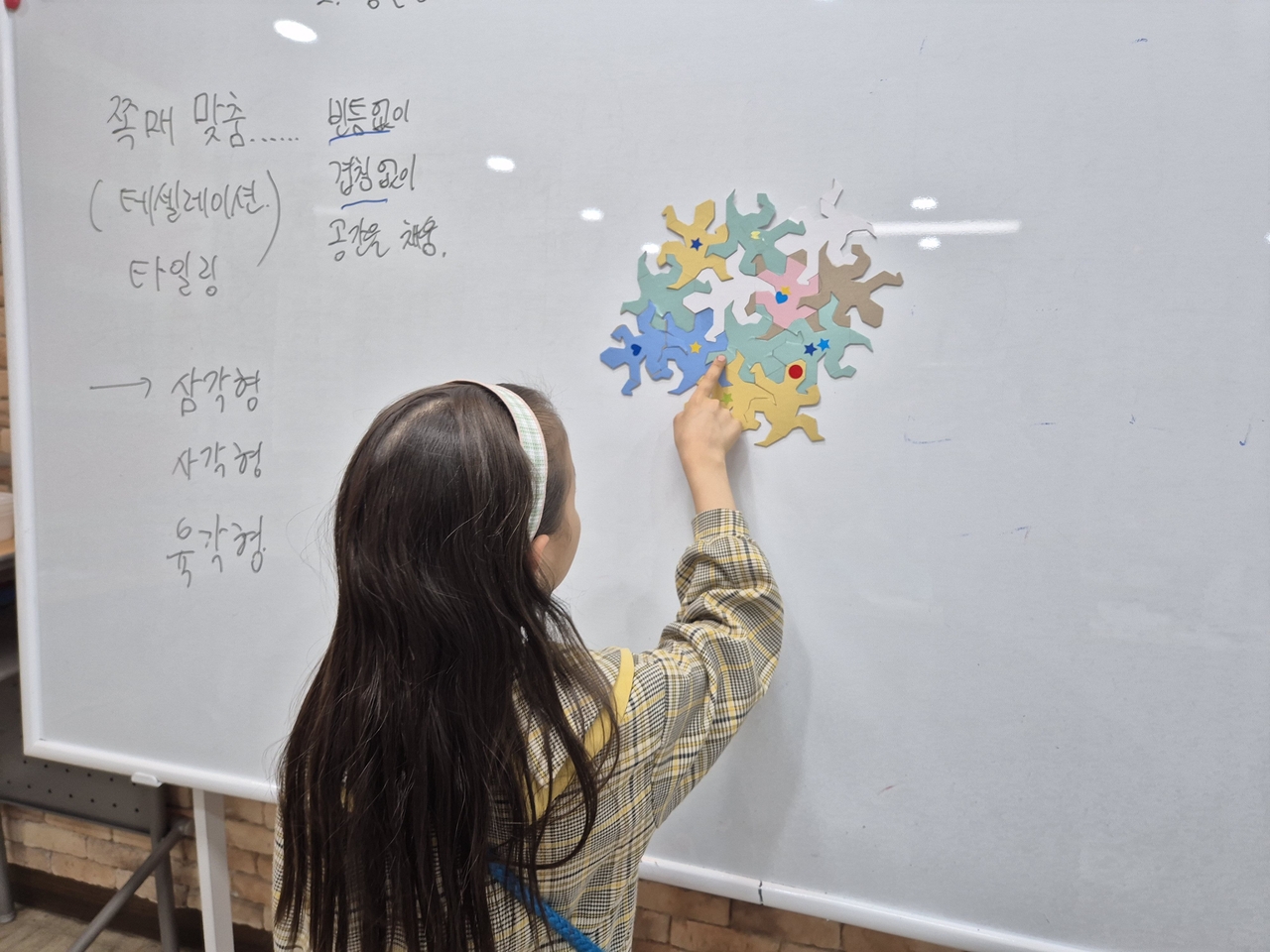
Mapo-gu (district mayor Park Kang-su) is launching an Everyday Science Classroom program to help elementary school students learn a wide range of scientific principles in an easy and engaging way, with enrollment open June 8–12 on the district office website.
The Everyday Science Classroom is a hands-on science program covering broad scientific topics, designed to help children develop scientific thinking and creativity through direct experimentation and inquiry.
The program will be led by professional science instructors from the Ewha Womans University Everyday Science Classroom Regional Operations Center.
Enrollment is open to 2nd- through 5th-grade elementary school students residing in Mapo-gu, with approximately 20 spots available per class.
Classes run once a week from July 6 through Sept. 18, totaling 10 sessions, and will be held at the Seogang-dong Community Service Center, Seongsan 2-dong Community Service Center, and Dohwa-dong Community Service Center.
The curriculum spans AI, biology, physics, engineering and mathematics through a variety of hands-on activities.
The 10-session lineup opens with "The Secret of the AI Smart House," introducing AI voice-recognition technology, followed by "Eating with a Blocked Nose?" in session 2 and "See-Through Toys" in session 3. Sessions 4 and 5 explore the forces behind movement in "The Force That Creates Motion — The Story of Engines" and examine Korea's national flower in "Curious About the Mugunghwa." The second half features "Walking on Two Feet — the Biped Robot!" in session 6, "An Insect's Journey of Growth" in session 7 and "Fractals — Creating Infinite Patterns with Cards" in session 8, before wrapping up with "Crack the Secret of the Dead Sea" in session 9 and "Playing with Gravity" in session 10.
Tuition is free. However, participants must separately cover a materials fee of 50,000 won (about $33).
In addition, recipients of basic livelihood benefits, near-poverty households, single-parent families and people with disabilities are eligible to have the full materials fee waived, on a first-come, first-served basis of up to three students per class.
Applications can be submitted through the integrated online application menu on the Mapo-gu district office website. If enrollment exceeds capacity, participants will be selected by electronic lottery.
Further details about the Everyday Science Classroom are available on the Mapo-gu district office website.
In a satisfaction survey of 144 students who participated in the program last year, 85 percent of respondents said they found it "fun," indicating the program has been effective in nurturing children's interest in and curiosity about science.
"The Everyday Science Classroom is a precious time where children's curiosity leads to learning, and learning grows into future dreams," a district official said. "We designed this program to help build scientific thinking and creativity, and we hope many children will take an interest and join."
seouldream01@heraldcorp.com