
Oh, who secured a historic fifth term, is expected to push forward Seoul city policies he had been pursuing before the election. During the campaign he announced five priority areas and pledged visible results within 30 to 100 days of taking office. Plans include expanding the urban rail network, particularly in the Gangbuk and southwestern zones, a life-cycle care system, and an annual supply of more than 2,000 equity-share homes for young residents without housing.
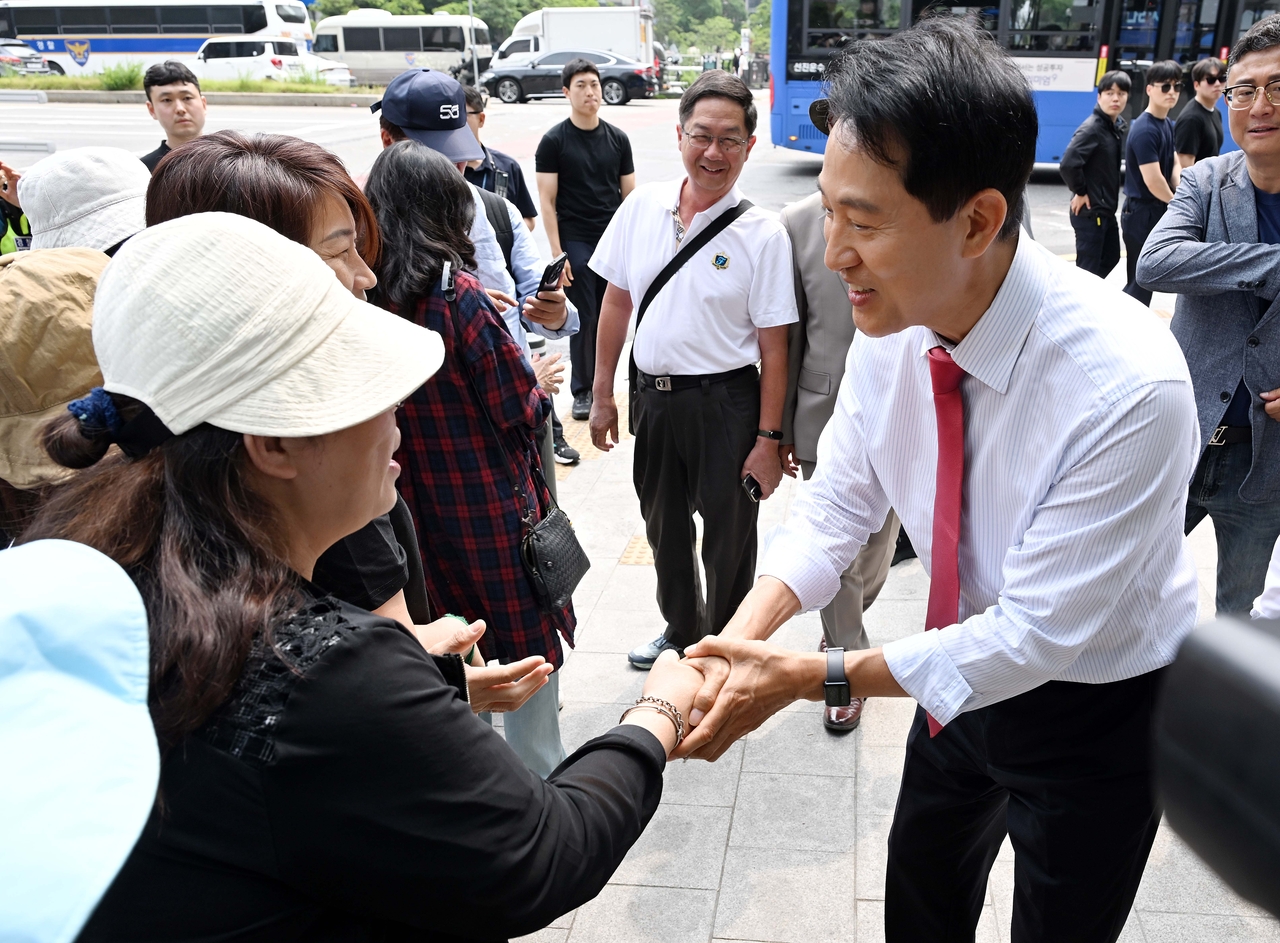
"Walking alongside the vulnerable is the reason I do politics."
Oh Se-hoon has become Seoul's first five-term mayor after a razor-thin race against Democratic Party of Korea candidate Jeong Won-oh. With his return to office, the city policies he had been driving before the election are expected to gain momentum. Given his repeated emphasis on standing with the vulnerable as the purpose of his political career, a broader range of welfare policies is expected to take effect during his new term.
Oh is also expected to devote greater effort to accelerating housing supply, building a denser transit network and strengthening safety. On Thursday, his first day back at work, he underscored the safety theme by chairing a special inspection meeting on summer preparedness.
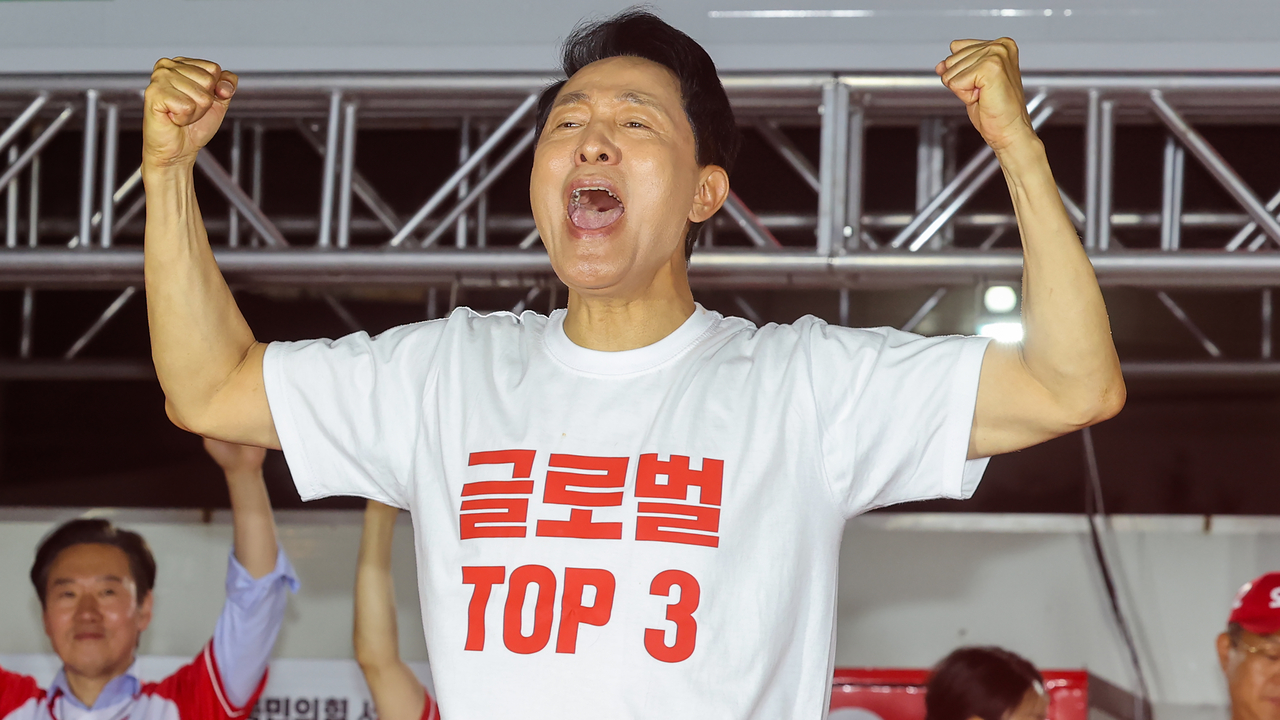
Earlier, as the People Power Party candidate on Tuesday, Oh said he would swiftly resolve issues across five priority areas within 100 days of returning to office.
He designated livelihoods and jobs, housing and real estate, transportation, the cost of living and welfare, and safety as his five core tasks. He said he would fast-track items that could be changed immediately within the first 30 days, and deliver visible results between day 30 and day 100.
On housing and real estate, Oh has set the rapid ground-breaking of 85 core strategic redevelopment zones and the expansion of transit-oriented development projects as his key tasks. The plan is to dramatically shorten housing supply procedures to stabilize the market and to boost vitality at regional hubs through high-density mixed-use development.
On transportation, he is expected to move quickly on upgrading the "Climate Companion Card" into a "Climate Companion Pass" that includes the GTX express rail network, and on straightening congested pedestrian routes inside stations.
He is particularly expected to focus on expanding the urban rail network in the Gangbuk area. As a candidate, Oh said he would pursue a 20.8 trillion won (about $13.7 billion) project to connect major transit arteries by 2037, eliminating transportation blind spots in the Gangbuk and southwestern zones. He said 3.4 trillion won would go toward an underground urban expressway crossing northern Seoul and 1.7 trillion won toward an underground southern ring expressway. For urban rail — the backbone of transit welfare — he also announced a plan to concentrate 9.2 trillion won in investment to complete seven lines ahead of schedule: the Gangbuk Crossing Line, Dongbuk Line, Seobu Line, Mokdong Line, Myeonmok Line, Nangok Line and the Ui-Sinseol Extension.
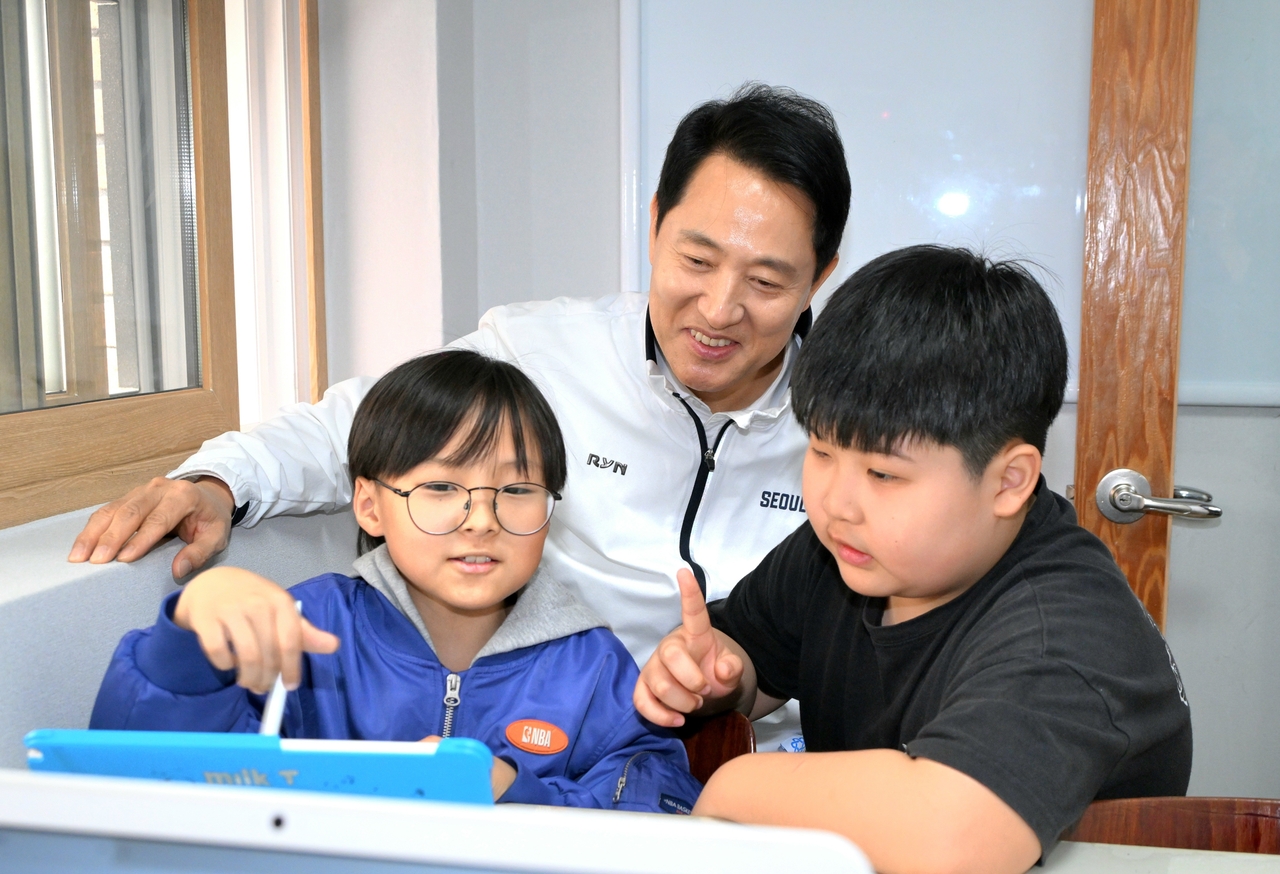
Welfare is another area Oh has made a priority. As a candidate, he pledged a "life-cycle tailored care system" covering children, parents and the elderly. He also said he would fully introduce the nation's first public-private partnership "Seoul-type Safe Postpartum Care Center," expand elementary school care facilities by 130, and pilot a "vacation lunch camp" starting this summer through the "Seoul Baby Hearty Meal" program. He plans to expand eligibility for "Seoul Learn" — his education ladder policy — to students in the bottom 70 percent of the income bracket from elementary through high school, and to provide 800,000 to 1.1 million won per month for two years to help vulnerable groups build a foundation for self-sufficiency.
The "12 Vitality Pledges of Oh Se-hoon," announced May 26, include professional psychological counseling vouchers, doubling the number of Seoul-type kids cafes, 200 Seoul Baby Hearty Meal locations, 1 million won health management vouchers for elementary school students, 10,000 units of Seoul-type "Saessak" studio apartments, a standing welfare check network for middle-aged and elderly single-person households in crisis, and expanded senior exercise and leisure spaces.
Youth policy is another area the city had been focusing on well before the election. As a candidate, Oh said he would supply more than 2,000 units per year — and more than 8,000 units over four years — of "Seoul Naejip," an equity-share housing program targeting young people aged 19 to 39 who do not own a home. He said funding would be secured through a "development-profit youth asset fund" built from public contribution fees collected during large-scale development projects.
Safety, which became a late-breaking election issue following the Seosomun overpass collapse on May 26, is also expected to receive closer attention, with the city set to build a tighter safety net. As a candidate, Oh said he would concentrate administrative resources on preemptively blocking disaster vulnerabilities and preventing urban safety accidents caused by the climate crisis.
At his first meeting after returning to work on Thursday, Oh said, "Throughout this election I made clear on multiple occasions that my goal for the next four years is to make Seoul a special city with a warmer and healthier quality of life. Safety is at the foundation of that. I ask you to take special note of the significance of beginning my return to work with a safety-related agenda."
To prevent a recurrence of accidents like the Seosomun overpass collapse, the city plans to extend its "construction site video documentation" regime — which requires video recording of the entire construction process at building sites across Seoul — to private construction sites as well. As a candidate, Oh said he would amend the relevant ordinance to require, from the construction notification stage for private buildings, the submission of a filming plan mandating CCTV installation and a video documentation management plan.
ikson@heraldcorp.com




