From reviled infrastructure to citizen-friendly spaces
Major water regeneration centers to be fully moved underground
Earns top S rating in Seoul Metropolitan Government's core-value assessment
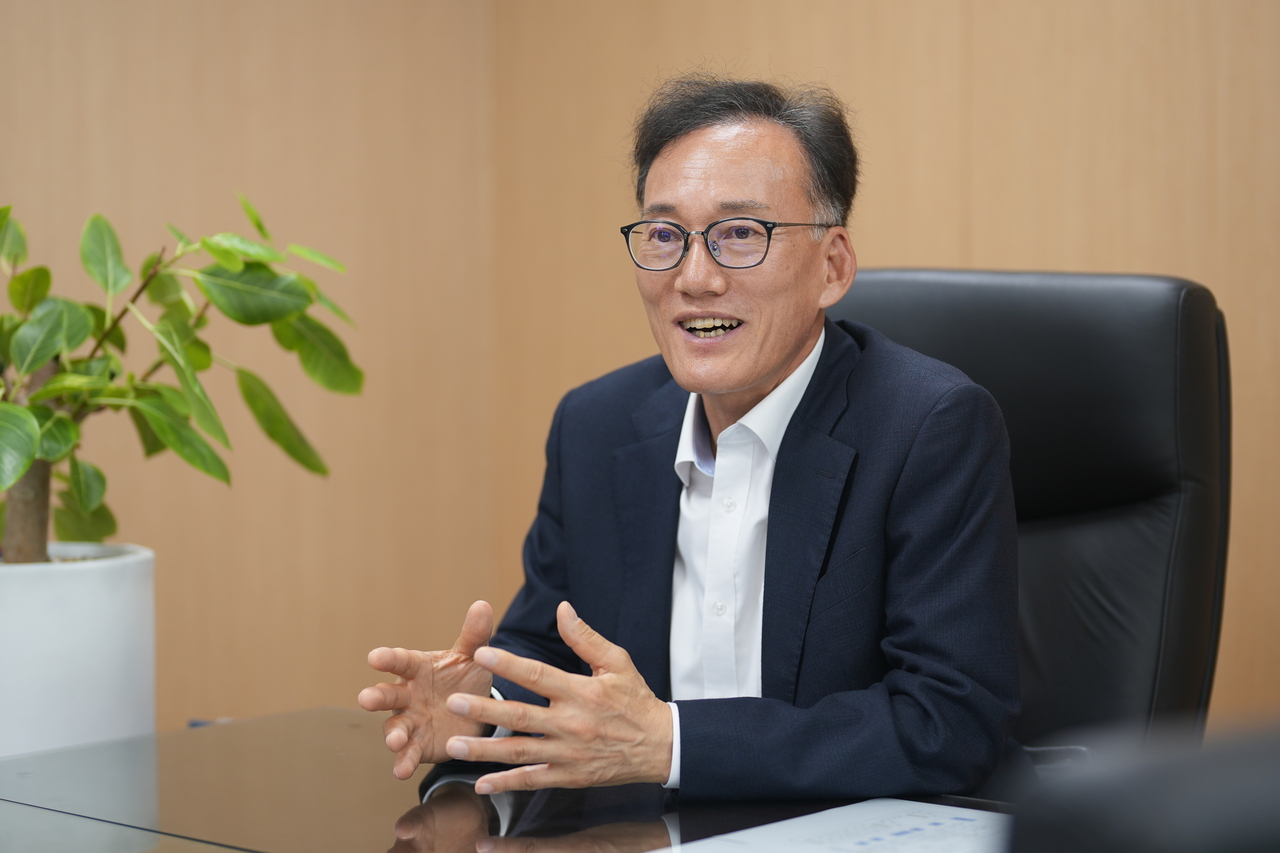
Seoul Water Regeneration Facilities Corporation, led by Chairman Kwon Wan-taek, processes 1.65 million tons of wastewater daily — a scale that ranks among the top 10 in the world. Once dismissed as a nuisance in the heart of the city, its sewage treatment plants are being transformed into eco-friendly recreational spaces where residents can stroll through flower gardens and play park golf.
"Our institution's ultimate goal is to shed the image of an unwanted, reviled facility and become a genuinely welcoming part of citizens' daily lives," Kwon said in an interview at the corporation's offices in Ilwon-dong, Gangnam-gu, on June 1.
At its core, however, the corporation's most fundamental mission remains wastewater treatment. Kwon said keeping the Han River clean at a Grade 3 water quality standard or better is an essential condition for sustaining Seoul as a functioning megacity.
The corporation is also channeling sustained research and investment into turning sewage sludge — once treated as mere waste — into a source of added value. It is working to eliminate odor complaints at the source and to make use of its sites by providing residents with sports facilities, parks and other pleasant amenities.
In the past, treatment facilities were exposed to the open air, allowing odors to spread freely into surrounding neighborhoods. Now, covering structures installed over the facilities have been converted into large-scale rose gardens and other citizen-friendly areas above.
The corporation is pushing further, pursuing full underground relocation of its major water regeneration centers — Jungnang, Nanji, Seonam and Tancheon. "We are working on a large-scale project to attract private capital, build state-of-the-art underground treatment facilities, and return the surface entirely to citizens," Kwon said.
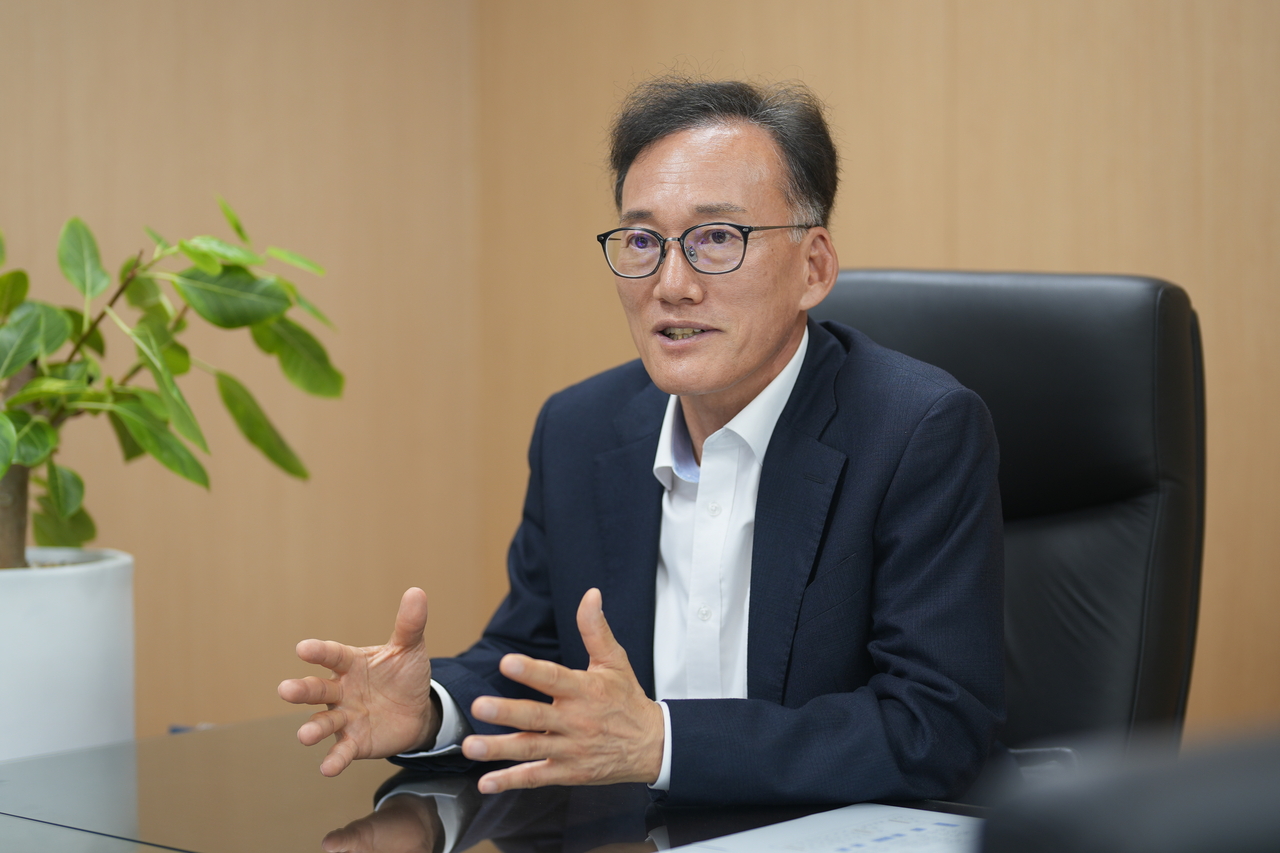
ESG and carbon neutrality at the heart of the corporation's mission
Running machinery around the clock to treat wastewater makes the corporation a heavy energy consumer — its annual electricity bill alone reaches 70 billion won (about $46.2 million). That energy demand puts the corporation's core work in direct tension with its carbon neutrality goals.
To address this, the corporation is focusing on converting byproducts into usable resources. It is researching ways to dry sewage sludge generated during treatment and use it as fuel for power plants, and to recycle gases produced during the process as biogas energy.
Since May, the corporation has established a system that converts dried sludge into its own fuel source. It is also conducting research with the Korea Institute of Civil Engineering and Building Technology through a photocatalyst project to transform substances derived from sludge into odor-reducing agents.
Purifying wastewater and reusing it as stream maintenance water and landscaping water — returning it to nature — is another core ESG and carbon neutrality practice the corporation has put into action.
Approaching his third anniversary as chairman, Kwon said his greatest source of satisfaction has been helping to upgrade and normalize the corporation's operational systems since taking office. Those efforts lifted the organization's management evaluation rating from the lower tier; last year, it was named the top-performing institution — earning an S rating — in the Seoul Metropolitan Government's core-value assessment.
Drawing on a long career as a technical official with the Seoul Metropolitan Government, Kwon said he was proud to have been at the center of a paradigm shift — from a vehicle-centered Seoul to a people-centered one — through projects such as the Cheonggyecheon restoration and the Seoul Station overpass conversion. "I take pride in having used that experience as a technical professional to transform this organization," he said.
As a near-term goal, Kwon pointed to modernizing the corporation's aging facilities, which date to 1980. Doing so will require accumulating data and introducing a fully automated AI-based system — a process that makes securing adequate funding, including through realistic sewage tariff adjustments, an essential challenge, he said.
"With the world-class wastewater treatment technology and research capabilities we have built, we will push even harder to upgrade our facilities," Kwon said. "Our ultimate goal is for the corporation to become a facility that citizens can fully embrace as their own."
7toy7@heraldcorp.com