Weapons systems officer armed with only a pistol evaded Iranian forces for more than 24 hours; CIA located hiding spot and ran deception operation; two US aircraft destroyed before withdrawal
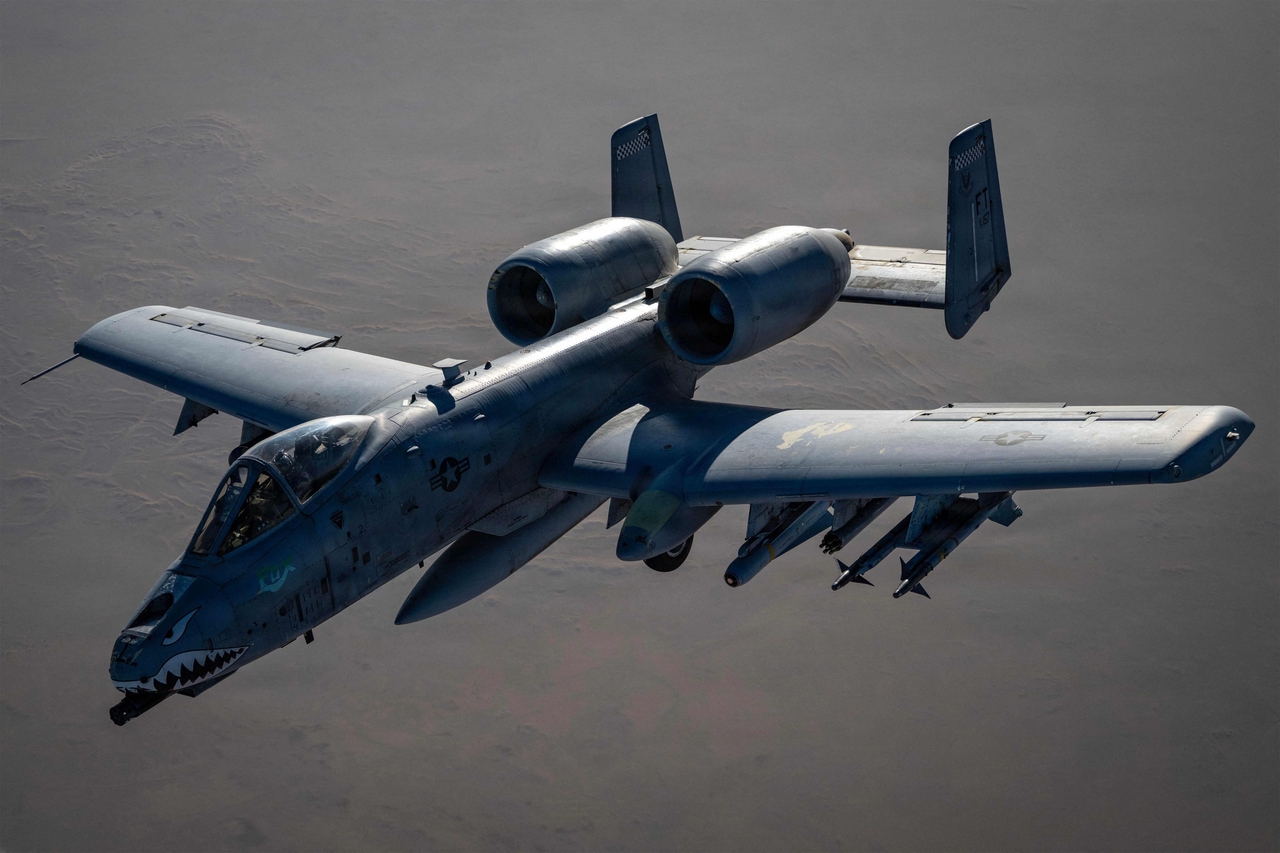
The US military rescued a missing crew member from a downed F-15 fighter jet within two days, deploying hundreds of special operations forces — including elite Navy SEALs — after the officer survived more than 24 hours behind enemy lines armed with only a pistol.
According to The New York Times on April 4, local time, the two officers aboard the F-15E Strike Eagle shot down by Iran on April 3 ejected immediately after the aircraft was hit.
The F-15E Strike Eagle is a two-seat fighter: a pilot occupies the front seat while a weapons systems officer (WSO), responsible for target acquisition, air-to-ground weapons and electronic warfare systems, sits in the rear.
The pilot was rescued almost immediately after the shootdown, but the WSO went missing — setting off an intense search race between US and Iranian forces.
The officer who ejected took cover in a rocky crevice in the mountains. Neither side initially knew his location. The CIA ultimately located his hiding spot and passed the intelligence to the Defense Ministry, enabling a full-scale rescue operation to begin.
Hundreds of special operations forces — led by Navy SEAL Team 6 — along with dozens of military aircraft and helicopters and capabilities spanning cyber, space and intelligence domains were all committed to extracting the officer, who was concealed deep in enemy territory with only a sidearm, according to reports.
SEAL Team 6, said to have been the core unit of the operation, is the most elite element of the Navy SEALs and the force that carried out the 2011 raid that killed Osama bin Laden. Also known as DEVGRU — short for Naval Special Warfare Development Group — the unit is one the US government typically shrouds in secrecy, but American media including The New York Times reported that Team 6 led the rescue.
The officer evaded Iranian forces for more than 24 hours, at one point moving along a ridgeline at an elevation exceeding 2,000 meters.
Attack aircraft struck Iranian convoy routes near the officer's hiding area to prevent enemy forces from closing in. The Wall Street Journal reported that MQ-9 Reaper drones were among the assets used in those strikes. US special operators also fired to keep Iranian forces away from the rescue site as they approached the officer, though a US military official said there was no direct engagement with Iranian troops.
The officer carried a beacon and secure communications equipment that allowed him to contact the rescue team. He used the beacon sparingly, however, because Iranian forces could also detect its signal.
Meanwhile, the CIA ran a deception operation to throw Iranian forces off the search, a senior official said. The agency worked to convince Iranian forces that the missing officer had already been rescued and was being moved out of the country by a ground convoy.
After two days, US special operations forces extracted the officer without casualties. Fox News reported the rescue operation took 48 hours in total.
A senior US military official said no American personnel were killed or wounded and that all special operators returned safely. The rescue aircraft carrying the injured F-15E crew member flew to Kuwait for treatment, The New York Times reported.
Iranian media reported that five people were killed in US airstrikes conducted during the rescue operation. The Tasnim News Agency, citing Iranian sources, said five people were "martyred" in overnight strikes as Iranian forces searched for the missing crew member in southwestern Iran.
The F-15E went down in an area of Iran where anti-government sentiment runs strong, and The New York Times said the rescued officer may have received help — including shelter — from local residents.
After the officer was recovered, two US transport aircraft that were to carry him and the rescue team out became stranded at a remote base inside Iran. US commanders decided to bring in replacement aircraft and destroyed the two disabled planes to prevent them from falling into Iranian hands.
The Wall Street Journal identified the destroyed aircraft as MC-130J Commando IIs — special operations variants of the C-130 transport designed to insert and extract forces deep behind enemy lines.
A senior US military official described the mission as "one of the most challenging and complex operations in the history of American special operations."
President Donald Trump officially confirmed the rescue shortly after news broke, posting on his Truth Social platform: "I am very pleased to inform you that he is now safely back." Trump added that the rescued officer was an Air Force colonel and said, "He was injured, but he's going to be OK."
Iranian media also reported that day that the Islamic Revolutionary Guard Corps shot down a US aircraft that was searching for the missing crew member. The semi-official Tasnim News Agency, citing the IRGC, claimed the force "destroyed an American enemy aircraft searching for the pilot of the downed jet in the southern Isfahan region."
Iranian police identified the aircraft downed near Isfahan as a C-130 tanker. The claim may be disinformation, however: the aircraft Iran said it destroyed is the same base model as the MC-130J — the special operations variant that US forces themselves blew up after it became inoperable.
yckim6452@heraldcorp.com