Trump says he will consider a truce once the Strait of Hormuz is open and secure, threatening to 'obliterate' Iran in the meantime; Reuters reports VP Vance relayed Trump's carrot-and-stick message to Tehran through intermediaries; Iran's foreign ministry immediately denied any truce request was made
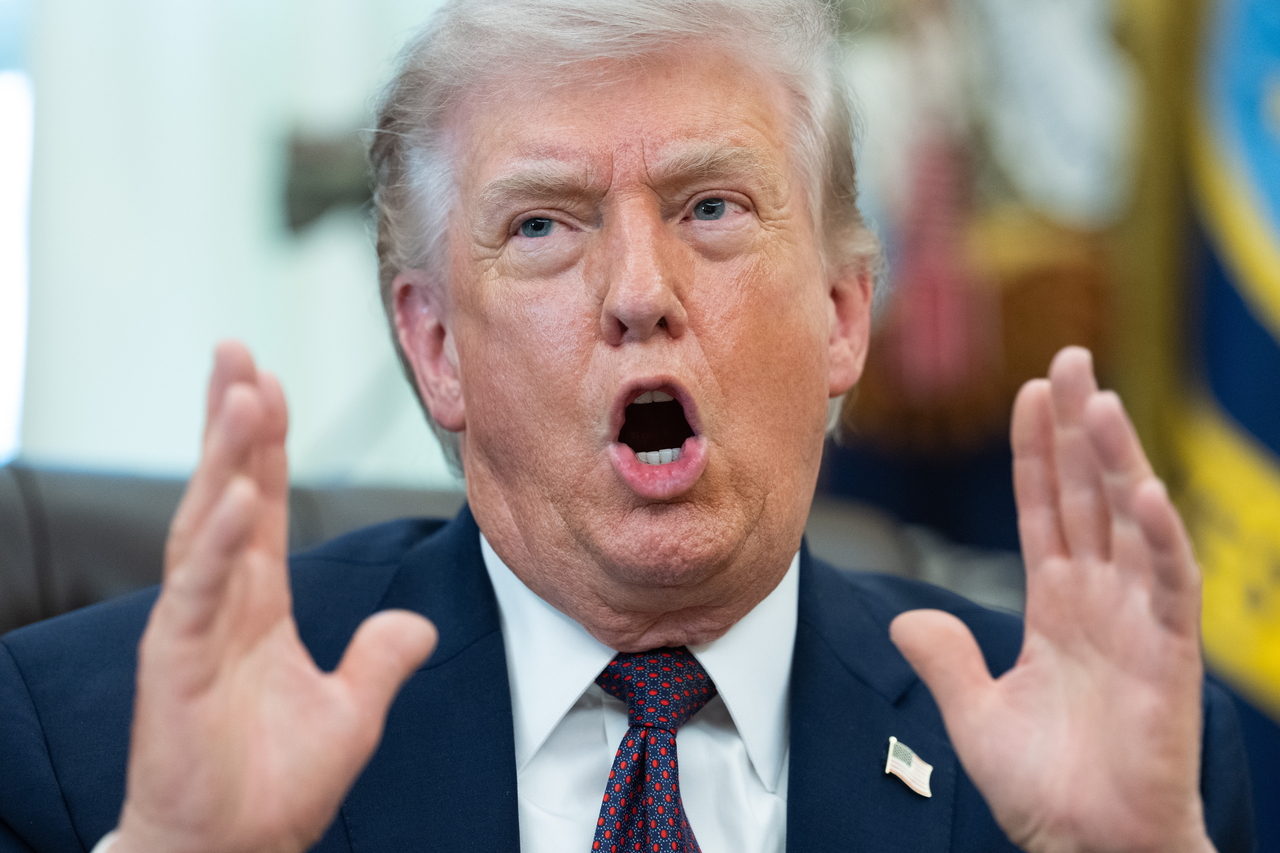
Donald Trump claimed Tuesday that "the New Regime President of Iran just asked the United States for a truce," describing the person who made the request as "far less radical and far smarter than his predecessors" in a post on his Truth Social account.
The title Trump used points to Iranian President Masoud Pezeshkian, who is considered a moderate compared to the Iranian military establishment. Trump's reference to a "new regime" may reflect his view of Pezeshkian's government as distinct from its predecessors.
The previous day, Pezeshkian told European Council President António Costa in a phone call that Iran had "the necessary will to end this conflict, if the essential conditions are met — particularly if a guarantee against the recurrence of aggression is provided."
Still, the possibility cannot be ruled out that Trump had a third party in mind rather than Pezeshkian himself, given his use of phrases like "predecessors" and "new regime." Trump has previously claimed that Mojtaba Khamenei, son of the slain Ali Khamenei, has been unable to perform the role of supreme leader.
Trump added that the United States would "consider" the truce request "when the Strait of Hormuz is open, free and secured," warning that "until that time, we will be completely obliterating Iran — let's say they are being sent back to the Stone Age."
The previous day, Trump said he intended to wind down U.S. military operations against Iran, citing a timeline of "two to three weeks."
Iran's Foreign Ministry spokesperson Esmail Baghaei immediately denied the claim in a statement to state television, saying Trump's announcement that Iran had requested a truce was "false and baseless."
State television also quoted Foreign Minister Abbas Araghchi as saying Iran "has not even proposed conditions for a truce," and that reports of five truce conditions Iran had allegedly conveyed through intermediaries were "nothing but media speculation." Araghchi said the war would continue "until the aggressors — the United States and Israel — are punished and pay full reparations to Iran."
Reuters, citing sources, reported that Vice President JD Vance had been in contact with intermediaries at Trump's direction, with the most recent conversation taking place March 31. Trump instructed Vance to convey that he was open to a truce with Iran if specific U.S. conditions were met, including the opening of the Strait of Hormuz.
Vance also passed along a harder message through the intermediaries, Reuters said, telling them that Trump's patience had run out and that Iran could face strikes on its infrastructure if it did not reach a deal.
Meanwhile, Trump was scheduled to address the public on the latest developments in the war with Iran at 9 p.m. Tuesday — 10 a.m. Wednesday, Korean Standard Time.
yckim6452@heraldcorp.com